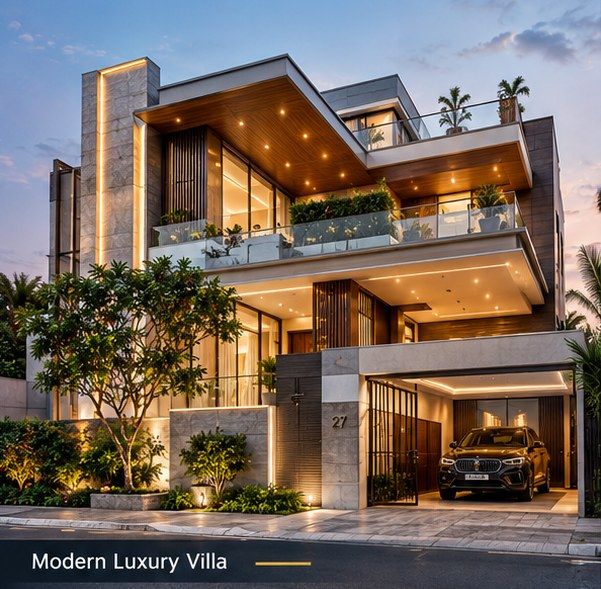
5 Marla Plot Scheme Punjab

5 Marla Plot Scheme Punjab 2026 – Apni Chhat Apna Ghar Truth Explained | Royals

5 Marla Plot Scheme Punjab 2026: Is “Apni Chhat Apna Ghar” Real in India? The Truth, Eligibility & What Actually Exists

Royals Property Consultant is a trusted name for buying, selling, renting, and investing in residential and commercial properties in Zirakpur, Mohali, Chandigarh, and New Chandigarh.

5 Marla Plot Scheme Punjab
RERA: PBRERA-CHD04-REA0390  |  📞 +91 98787 59508

5 Marla Plot Scheme Punjab 2026: Is “Apni Chhat Apna Ghar” Real in India? The Truth, Eligibility & What Actually Exists

An independent, fact-checked explainer for confused Punjab & Tricity property buyers — separating the real Indian Punjab schemes from the Pakistan-only “Apni Chhat Apna Ghar” program that’s flooding Google search results.

MV  Manindar Verma · Managing Director, Royals Property Consultant | Updated August 2026 | ⏱ 10 min read
Independently Verified India-Specific (Not Pakistan) No Sponsored Claims Last Checked: Aug 2026

⚡ Quick Answer

“Apni Chhat Apna Ghar,” the scheme dominating Google searches for “5 marla plot scheme,” is a Pakistan Punjab government program — run by the Government of Punjab, Pakistan, through PHATA, and paid out in Pakistani Rupees through the Bank of Punjab. It has no connection to Indian Punjab. There is currently no active, freshly-announced 2026 Government of Punjab (India) scheme handing out free 5 marla residential plots to the general public. The one genuine Indian precedent — free 5-marla plots for landless rural families from panchayat land — is a decades-old rural welfare scheme, last meaningfully revived years ago, and is unrelated to buying property in Zirakpur, Mohali, or the wider Tricity market. If you’re a homebuyer or investor, the relevant, currently active government-linked opportunities in Indian Punjab are GMADA’s own plot allotment schemes, not “Apni Chhat Apna Ghar.”

Every year, thousands of people in Punjab search for terms like “5 marla plot scheme,” “Apni Chhat Apna Ghar eligibility,” or “Punjab government free plot 2026.” Most land on articles built around PKR loan amounts, PHATA disbursement rules, and CNIC-based eligibility checks — details that have nothing to do with property in Zirakpur, Mohali, or Chandigarh. This confusion is genuine and understandable: the scheme names sound almost identical to things Indian Punjab residents would expect their own state government to run, and search engines don’t always make the country distinction obvious in the first few results.

This guide exists to cut through that confusion with a single, honestly-sourced answer: what’s real, what isn’t, what applies to India, and what a genuine Punjab (India) property buyer or investor should actually pay attention to in 2026.

Is the Punjab Government (India) Giving Free 5 Marla Plots in 2026?

Based on our review of Indian Punjab government sources and current news coverage as of August 2026, there is no active, newly-announced 2026 scheme from the Government of Punjab (India) offering free 5-marla residential plots to the general public. No fresh notification, press release, or department order to this effect was found from the current state government.

⚠ Be Careful: If an agent, WhatsApp forward, or unofficial website claims you can “apply now” for a free 5 marla plot under a 2026 Indian Punjab government scheme, treat it as a red flag until you’ve verified it directly on an official punjab.gov.in domain or through your local Deputy Commissioner’s office.

What Is “Apni Chhat Apna Ghar” — And Why Does It Dominate Google?

“Apni Chhat Apna Ghar” (ACAG) is a real, large-scale housing initiative — but it belongs to the Government of Punjab, Pakistan, not India. It was launched under Chief Minister Maryam Nawaz Sharif and is implemented by the Punjab Housing & Town Planning Agency (PHATA), under Pakistan’s Housing, Urban Development and Public Health Engineering Department.

The scheme gives interest-free construction loans (reported at up to roughly PKR 15 lakh, disbursed through the Bank of Punjab) to families who already own a small plot — up to 5 marla in urban areas or 10 marla in rural areas — in Pakistani Punjab, verified through Pakistan’s NADRA/CNIC and NSER poverty-scoring systems. A companion scheme, “Apni Zameen Apna Ghar,” separately allots free 3-marla plots to completely landless families through computerised balloting, again strictly within Pakistan.

Key fact: None of ACAG’s eligibility criteria, application portals, loan amounts, or verification systems apply to a resident of Indian Punjab. It is a distinct country, distinct government, distinct currency, and distinct legal framework.

Does Indian Punjab Have Any 5 Marla Plot Scheme At All?

Yes — but it’s a different, much older story. Indian Punjab has had a rural welfare scheme, dating back to 1961, under which landless and homeless rural families (with a strong historical focus on Scheduled Caste beneficiaries) can be allotted small residential plots — typically around 5 marla — from land held by village panchayats. This is administered by the Rural Development & Panchayats Department, not by a housing authority, and it is entirely separate from any construction loan program.

This scheme has been announced and re-announced by successive state governments over the decades — including a push under Capt. Amarinder Singh’s government to allot over 1.3 lakh plots, and further promises made during Charanjit Singh Channi’s tenure that faced public criticism over slow implementation. We did not find evidence of a fresh, large-scale 2026 notification expanding or reviving this scheme under the current state government.

Bottom line: This rural panchayat-land scheme is the only genuine Indian precedent for “government-given 5 marla plots” in Punjab — and it targets landless rural BPL/SC families through Deputy Commissioner and panchayat offices, not urban homebuyers or property investors.

5 Marla in Indian Real Estate Terms — What It Actually Means

Separately from any scheme, “5 marla” is simply a land measurement widely used across Punjab, Haryana, and Chandigarh. Under the standard Punjab revenue measure (based on the Chief Town Planner’s 5.5-foot karam), 1 marla works out to roughly 272.25 sq ft — so a 5-marla plot is approximately 1,361 sq ft. Some older districts historically used a slightly different local karam length, which can change this figure marginally, so always confirm the exact conversion against the sale deed and Patwari record rather than assuming a round number. Our Area Unit Converter covers this in full detail, including the district-wise variations.

In everyday Tricity real estate, “5 marla” most often comes up describing plot sizes in GMADA sectors, private colonies, or resale listings — not a government scheme at all. If you’re comparing a listed “5 marla plot for sale” against scheme-related search results, you’re looking at two completely different things.

What’s Actually Active: GMADA & Government-Linked Plot Schemes

If your real interest is a government-linked route to owning a plot in Indian Punjab’s Tricity region, the relevant authority is GMADA (Greater Mohali Area Development Authority), not any “Apni Chhat Apna Ghar” equivalent. GMADA periodically releases residential plot schemes (auction or draw-based) across its sectors, and these are the closest thing to an active, verifiable, India-relevant “plot scheme” for 2026.

Scheme TypeWho Runs ItCost to ApplicantRelevant to Tricity Buyers?
Apni Chhat Apna Ghar (ACAG)Government of Punjab, PakistanN/A — Pakistan onlyNo
Apni Zameen Apna Ghar (AZAG)Government of Punjab, PakistanN/A — Pakistan onlyNo
Panchayat 5-Marla Rural Plot SchemeRural Development & Panchayats Dept, Punjab (India)Free, for eligible landless rural familiesOnly for rural BPL/landless applicants
GMADA Residential Plot SchemesGMADA, Government of Punjab (India)Paid (auction/allotment price)Yes — directly relevant

For full details on GMADA’s current plot-scheme cycle, pricing, and how to apply, see our dedicated GMADA Plot Scheme 2026 guide, and for how GMADA’s overall planning framework affects investment decisions, our GMADA Mohali Complete Guide.

Common Myths About the “5 Marla Scheme” in India

Myth: “The Punjab government is giving every family a free 5 marla plot in 2026.”
Reality: No such general public scheme is currently active in Indian Punjab.
Myth: “Apni Chhat Apna Ghar is a Punjab (India) housing scheme I can apply for.”
Reality: It’s a Pakistan Punjab government program — Indian residents are not eligible and cannot apply.
Myth: “Anyone with a Punjab address automatically qualifies for a government plot.”
Reality: Even the genuine Indian rural panchayat-plot scheme has strict landless/BPL eligibility criteria — it is not open to the general public or urban buyers.

How to Avoid Fake Agents & Scheme Fraud

Confusing scheme names are exactly what opportunistic agents exploit. Some practical protections:

  • Never pay an agent for “guaranteed approval” into any government scheme — genuine government allotments don’t work that way.
  • Verify any scheme claim directly on an official punjab.gov.in government domain, not a third-party blog.
  • Don’t share OTPs, Aadhaar copies, or bank details based on an unsolicited call or message about a “plot scheme.”
  • For GMADA-linked plots specifically, always cross-check at gmada.gov.in and our GMADA Property Verification Guide before paying any earnest money.
  • Be alert to land-pooling or scheme-adjacent scams — our Punjab Land Pooling Policy guide documents real cases of advance-fee fraud tied to unofficial “scheme” claims.

What This Means for Punjab Homebuyers

If you came here hoping to apply for a free 5-marla plot under a 2026 Indian government scheme, the honest answer is that no such general scheme currently exists — so redirect that energy toward what’s genuinely available: GMADA’s own plot allotments, RERA-verified private plotted developments, or resale plots with a clean, independently verified title chain. If you’re a landless rural family who may qualify under the older panchayat scheme, the right first step is your local Deputy Commissioner or panchayat office, not a property website or agent.

Why Buyers Should Verify Government Property Schemes Before Acting

Royals Property Consultant believes buyers deserve accurate information before they act on any government-scheme claim — free or paid. That means verifying the official notification at the source, understanding the actual eligibility criteria (not what an agent implies), distinguishing between a plot allotment and a construction loan, avoiding payments to unofficial intermediaries, and independently checking every document before money changes hands.

If you’re considering buying property in Punjab or the Tricity and want to understand how any government scheme — real or misreported — might affect your decision, you can speak with Royals Property Consultant directly.

Frequently Asked Questions

Is the 5 marla plot scheme available in Punjab, India in 2026?

No general public scheme offering free 5-marla plots is currently active from the Government of Punjab, India, as of August 2026.

Is Apni Chhat Apna Ghar free?

It offers interest-free construction loans (not a free plot) to eligible existing landowners — but only in Pakistan’s Punjab province, under Pakistani institutions.

Who can apply for Apni Chhat Apna Ghar?

Only permanent residents of Punjab, Pakistan, verified through Pakistan’s CNIC and NSER systems. It is not open to Indian residents.

What is Apni Zameen Apna Ghar?

A companion Pakistan Punjab scheme offering free 3-marla plots to landless families through computerised balloting — also strictly limited to Pakistan.

Does Indian Punjab have any equivalent free-plot scheme?

A separate, much older scheme allots roughly 5-marla plots from panchayat land to landless rural families, historically focused on Scheduled Caste beneficiaries, run by the Rural Development & Panchayats Department. It is not a general public housing scheme.

How do I apply for the Indian rural 5-marla panchayat plot scheme?

Through your local Deputy Commissioner’s office or panchayat, not through an online portal or private agent. Confirm current eligibility and status locally, since implementation has historically varied by district and administration.

What documents are required for GMADA plot schemes?

Typically identity and address proof, PAN, and payment/allotment-related documents specific to the scheme cycle — see our GMADA Plot Scheme 2026 guide for the current requirements.

How big is a 5 marla plot in square feet?

Approximately 1,361 sq ft under the standard Punjab revenue measure (272.25 sq ft per marla), though older local variations exist in some districts — always confirm against the sale deed.

Where can I verify a government property scheme is genuine?

Only on the relevant official .gov.in domain, or by visiting the concerned government office directly. Avoid relying on unofficial blogs, forwarded messages, or agent claims.

Can existing plot owners apply for a construction loan in Indian Punjab similar to ACAG?

We found no equivalent, currently active Indian Punjab government construction-loan scheme comparable to Pakistan’s ACAG. For financing construction on land you already own in India, standard bank home-construction loans are the applicable route.

Latest Update

As of August 2026, no new Government of Punjab (India) notification on a general 5-marla plot scheme was found. This section will be updated the moment an official notification changes this position — bookmark this page or follow our WhatsApp channel above for the update the day it happens.

Related Guides on Royals Property Consultant

Confused About a Property Scheme? Ask Us Directly

Fill this in — it opens directly in your WhatsApp, pre-filled and ready to send to Manindar Verma. No account, no email required.

🔒 Goes straight to Manindar Verma’s WhatsApp · Zero brokerage · Reply within 2 hours

Speak To Royals Property Consultant

Free consultation, RERA & scheme verification, and honest guidance — no pressure, no hidden fees.

Alternate contact: +91 78378 63469 · Office: TTT 9th Floor, Near Radisson Hotel, Patiala Highway, Zirakpur

Last Updated: August 2026 · Author: Manindar Verma, Managing Director, Royals Property Consultant (RERA: PBRERA-CHD04-REA0390) · This article is an independent informational explainer, not a government publication. Always verify scheme details on official government sources before acting.

5 marla plot scheme punjab 2026, apni chhat apna ghar, apni chhat apna ghar eligibility, punjab government housing scheme 2026, 5 marla plot punjab, punjab free plot scheme, gmada plot scheme, punjab 5 marla scheme apply online, is 5 marla plot free in punjab, apni zameen apna ghar

Gharuan Industrial-Commercial Zone

Gharuan Industrial-Commercial Zone 2026 | Kharar–Kurali

Gharuan Industrial-Commercial Zone 2026: What It Means for Kharar–Kurali Property Investors

Royals Property Consultant is a trusted name for buying, selling, renting, and investing in residential and commercial properties in Zirakpur, Mohali, Chandigarh, and New Chandigarh.

Gharuan Industrial-Commercial Zone

GMADAGharuan Industrial ZoneKharar–Kurali Corridor

Gharuan Industrial-Commercial Zone 2026: What It Means for Kharar–Kurali Property Investors

By Manindar Verma, Managing Director, Royals Property Consultant | RERA: PBRERA-CHD04-REA0390 | Updated August 2026

📞 Call +91 98787 59508  |  💬 WhatsApp — Free Consultation

A planning change near Gharuan can look, on paper, like a local zoning update buried in a government gazette. But for anyone tracking property in the Kharar–Kurali belt, it matters for a different reason: Gharuan does not sit in isolation. It sits inside the same growth corridor that connects Kharar’s established residential markets to Kurali’s newly opened planning area — and a change in one point of that corridor tends to ripple outward.

Important clarification before you read further: The Gharuan industrial-commercial zoning discussed in this article is a proposed amendment, currently at the draft / public-objection stage under the Directorate of Town & Country Planning, Punjab. It has not been formally notified or approved as of this update. Nothing in this article should be read as confirmation of a finalised industrial township.

Why the Gharuan Zoning Proposal Matters Beyond Gharuan

Gharuan itself is a modest name on the map, best known locally for its cluster of colleges rather than as a real estate hotspot. But its location is the story here. The village sits close to Sectors 81 and 83 of Mohali, where institutions like IISER and the Indian School of Business already anchor an institutional cluster, and it isn’t far from IT City, Sector 82 Alpha, GMADA’s ongoing technology and institutional push. That’s the reasoning officials gave for extending industrial and commercial land use into the surrounding villages — it fits a corridor GMADA was already developing, rather than creating one from scratch.

Geographically, Gharuan also sits between two markets that Kharar–Kurali investors already track closely: Kharar to the east, a mature, established residential and commercial market, and Kurali further along the same road, where GMADA opened a fresh 78-village planning exercise in mid-2026. A zoning shift at Gharuan doesn’t happen in a vacuum — it changes the employment, logistics, and land-use picture for the corridor connecting all three.

For a Kharar–Kurali investor, this corridor effect is really the entire point of paying attention to Gharuan. Industrial and commercial activity, if it eventually materialises, tends to pull residential and rental demand along its access roads. Whether that pull is strong enough to matter, and how soon, is what the rest of this article works through.

What Is Actually Changing?

According to official reporting, the Directorate of Town & Country Planning, Punjab is proposing to amend GMADA’s regional plan to introduce industrial, commercial, and residential land-use designations across roughly 3,000 acres spanning 16 surrounding villages near Gharuan. This is a land-use amendment, not a new township announcement — it changes what a parcel is legally permitted to become, not what has already been built.

The draft plan is not uniform across the belt. Some villages are proposed as residential, others as agricultural, and a smaller pocket of government land is proposed for industrial use. A parallel, separate amendment is also under objection at Manauli village, converting roughly 54 acres from institutional to industrial/warehouse use — a reminder that Gharuan is one piece of a wider set of GMADA planning moves happening in the same season.

We’ve covered the village-by-village breakdown of the draft plan in detail in our detailed Gharuan development plan article — this piece focuses instead on what the change means for the market around it, so we won’t repeat that breakdown here.

⚠ This remains a draft proposal under the objection-and-suggestion stage. Village-level designations can still shift before any final notification. Always verify current status on GMADA’s own official portal before acting on any specific parcel.

Gharuan vs Kharar vs Kurali — What Changes for Property Investors?

LocationCurrent CharacterMain Growth DriverPotential OpportunityMain Risk
KhararEstablished residential & commercial market with existing infrastructureMature demand, NH-21 connectivity, spillover from MohaliLower entry risk, more liquidity, stable rental baseLand largely already priced-in; limited raw upside
GharuanRural/institutional belt, largely undeveloped commerciallyProposed industrial-commercial zoning, proximity to IISER/ISB/IT CityEarly-stage entry if zoning is eventually notifiedDraft-stage only; no CLU, limited liquidity, execution timeline unknown
KuraliTraditional town, recently brought under a formal 78-village GMADA planning areaNew master plan, Kharar–Kurali highway, spillover demandBroader long-term corridor play, connects Gharuan’s growth to an established townDraft under objection; residential-continuity gaps flagged by planners
Surrounding villagesMostly agriculturalDependent entirely on final notification & infrastructure deliveryHighest theoretical upside, longest time horizonHighest uncertainty; some villages retained as agricultural even in the draft

Impact on Kharar Property Market

Kharar is the more mature of the three markets discussed here, and that maturity matters. If the Gharuan proposal is eventually notified and industrial or commercial activity actually locates there, Kharar is well positioned to absorb secondary effects — additional rental demand from a working population, some commercial spillover along connecting roads, and modestly firmer land sentiment in sectors closest to the Gharuan side of town.

What Kharar is unlikely to see, at least in the short-to-medium term, is a structural shift in its own land-use character. It remains the established anchor of the corridor, and its trajectory depends more on infrastructure execution — road widening, connectivity upgrades — than on any single adjacent zoning proposal. Investors should treat Gharuan-linked optimism as one input into Kharar’s outlook, not the deciding one.

Impact on Kurali Property & Land

The Gharuan–Kharar–Kurali relationship works roughly like this: Gharuan is the newer, unproven zoning proposal; Kharar is the established market in between; Kurali is the town at the far end that GMADA has only recently brought under a dedicated, formal master plan covering 78 villages. Planning experts have already flagged gaps in residential continuity between the Kurali and Gharuan drafts, and inconsistent commercial zoning along the connecting highway — worth knowing before assuming the two plans will simply merge into one seamless corridor.

For Kurali specifically, the practical takeaway is this: if Gharuan’s industrial-commercial zoning is notified and does generate employment and logistics activity, Kurali stands to benefit from corridor-level demand over a longer horizon — but that benefit is contingent on both plans clearing their own objection stages and on road connectivity between the two catching up. We go deeper into Kurali’s own planning story, timeline, and objection process in our GMADA Kurali Master Plan guide, and compare Kurali’s broader growth trajectory in Kurali’s long-term growth story.

What Happens to Agricultural Land?

This is the section most buyers actually need, and it’s the one most likely to be misunderstood by anyone reading zoning news casually.

A proposed zoning change — even one that names specific villages — does not automatically mean:

  • Every parcel in a named village becomes commercial or industrial land
  • Every agricultural plot in the belt is now eligible for residential use
  • Change of Land Use (CLU) is automatically granted to any owner
  • A developer can legally launch a colony or scheme on this land today
  • Construction, other than what was already permitted, is now allowed

The Tribune’s reporting on the draft is specific: certain villages are proposed as residential, others explicitly remain designated agricultural, and only a small pocket of government land is proposed for industrial use. That distinction, at the individual-village and even individual-parcel level, is exactly why exact khasra/survey-number verification matters more than the headline “3,000 acres near Gharuan” figure. Two plots a few hundred metres apart can sit on opposite sides of that line.

Industrial Land vs Commercial Land vs Residential Land

UseSuitable BuyerPotential AdvantageKey Approval / Risk
IndustrialManufacturing units, ancillary industry investorsLower entry cost per acre at draft stage; proximity to institutional/IT clusterRequires final notification + industrial licence; longest execution timeline
Warehouse / LogisticsLogistics operators, 3PL investorsCorridor connectivity between Kharar, Gharuan & KuraliDepends on road-widening execution; zone must be confirmed industrial/warehouse
CommercialSCO/retail investors, rental-yield seekersBenefits from any employment base that industrial activity eventually createsCommercial designation must be confirmed parcel-by-parcel; premature entry risk
ResidentialEnd-users, long-horizon investorsVillages already proposed residential (e.g., Gharuan village itself) offer a clearer near-term use caseCLU and layout approval still required before any construction
Agricultural / future-useLong-horizon land investors comfortable holding 7–10+ yearsLowest entry price; highest theoretical long-term upside if reclassifiedNo guarantee of reclassification; some named villages explicitly stay agricultural

Could Property Prices Rise?

Planning announcements alone do not guarantee appreciation. That has to be the starting point of any honest answer here.

Short Term

In the weeks after any zoning news breaks, price movement is mostly sentiment and speculation — brokers marketing “future commercial” land, social-media forwards of draft maps, and asking-price inflation that isn’t backed by any actual transaction volume. This phase carries the highest risk of overpaying for land whose designation could still change.

Medium Term

Once (and if) the plan clears objections and receives formal notification, and CLU/approval processes for specific parcels open up, land in confirmed-use zones can see more grounded interest — but this stage still depends heavily on infrastructure catching up, not just paperwork.

Long Term

Real, durable appreciation in corridors like this has historically followed actual development — roads built, industry operational, population and employment growing — not the announcement that preceded it by years. Investors comparing this to how New Chandigarh or Aerocity matured should remember those took a full development cycle, not a single notification, to show up in resale values.

We won’t quote specific percentage figures here — land pricing in an unnotified draft-stage zone varies too widely by exact parcel, village, and road frontage to responsibly generalise, and any consultant offering a precise number for pre-notification land should be treated with caution. For a grounded, current read on pricing across the wider Tricity market, see our Tricity property buying guide.

The Biggest Mistake Investors Can Make in Gharuan

The single most common mistake in a corridor like this is buying based only on a village name, road frontage, or a broker’s claim that “GMADA is coming here.” Draft-stage optimism gets repeated so often on WhatsApp forwards and unverified master-plan screenshots that it starts to sound like confirmed fact — it isn’t. The proposed designation for the exact parcel is the only thing that matters, and that has to be checked directly, not assumed from the surrounding buzz.

7 Checks Before Buying Land in the Gharuan–Kharar–Kurali Belt

  • Exact land-use classification for that specific parcel, not the village in general
  • Current ownership and title chain, verified independently
  • Jamabandi / Fard (revenue record) confirming current status
  • Mutation history of the land
  • Encumbrances — loans, disputes, or pending litigation against the parcel
  • Road / right-of-way status, including any road-widening line that may cut into the plot
  • CLU / development permissions, where the use category requires them

Where applicable, also confirm RERA registration status, any required development licence, and get direct confirmation from the official planning authority rather than relying solely on a seller’s or broker’s documentation.

Is Gharuan Better for Short-Term or Long-Term Investment?

Short-term investors face real notification risk, policy risk, liquidity risk, and speculation risk — land bought purely on draft-stage sentiment can be genuinely difficult to exit if final notification doesn’t confirm the buyer’s assumed use, or takes far longer than expected.

Long-term investors are better positioned to benefit if — and it remains an if — the zoning is eventually notified, road and utility infrastructure actually arrives, employment from institutional and industrial activity grows, and commercial activity materialises along the corridor. That’s a multi-year horizon by nature, and should be approached with capital the investor can afford to hold through a full planning-to-development cycle.

What Investors Should Watch Next

Watch #1Finalisation and formal gazette notification of the proposed Gharuan land-use amendment
Watch #2Outcome of the public objections and suggestions currently under review
Watch #3Execution of road and connectivity infrastructure linking Gharuan, Kharar, and Kurali
Watch #4Actual industrial and commercial development permissions issued for specific parcels
Watch #5Real transaction activity and occupier/industrial demand once land use is confirmed

Frequently Asked Questions — Gharuan Industrial-Commercial Zone

Is Gharuan officially an industrial zone in 2026?

No. As of this update, the Gharuan industrial-commercial zoning remains a proposed amendment under the objection-and-suggestion stage — it has not been formally notified by the Punjab Government.

What does the proposed Gharuan industrial-commercial zoning mean for investors?

It signals a possible future shift in land use across roughly 3,000 acres near Gharuan, which could influence demand along the Kharar–Kurali corridor over time — but it does not yet confirm any specific parcel’s final use.

Will Gharuan zoning affect Kharar property prices?

It could add to sentiment and rental demand in Kharar over the medium-to-long term if the zone develops, but Kharar’s market is already mature and depends on multiple factors beyond this one proposal.

Could the Gharuan proposal benefit Kurali property?

Potentially, over a longer horizon, since Kurali sits further along the same corridor and has its own new 78-village master plan — but both plans are still in draft stages with flagged continuity gaps between them.

Can agricultural land in Gharuan automatically become commercial?

No. Reclassification requires formal notification and, for individual parcels, Change of Land Use (CLU) approval. Some villages in the draft plan are explicitly proposed to remain agricultural.

Should investors buy land before final notification?

This carries meaningfully higher risk — liquidity, policy, and speculation risk are all elevated pre-notification. Any decision should be made with full awareness of that risk and independent parcel-level verification.

What should buyers verify before purchasing Gharuan land?

Exact land-use classification, title and ownership, Jamabandi/Fard, mutation history, encumbrances, road right-of-way, and CLU status for that specific parcel — not the village as a whole.

Is Gharuan suitable for long-term land investment?

It can suit long-horizon investors comfortable holding through a full notification-to-development cycle, provided the specific parcel is verified and the investor isn’t relying on short-term appreciation.

What is the difference between Gharuan’s proposal and Kurali’s master plan?

Gharuan’s is a targeted ~3,000-acre, 16-village industrial-commercial-residential amendment; Kurali’s is a broader 78-village master plan bringing the town and surrounding area under formal GMADA planning for the first time.

Where should investors monitor official updates?

Directly on GMADA’s official portal and Directorate of Town & Country Planning, Punjab notices, alongside credible reporting from The Tribune, Hindustan Times, and Indian Express.

Related Reading — Gharuan, Kharar & Kurali Corridor

Go deeper on any part of this corridor — planning detail, comparisons, and the broader Tricity picture.

MV
Manindar Verma
Managing Director, Royals Property Consultant · RERA: PBRERA-CHD04-REA0390
15+ years navigating GMADA planning changes across Mohali, Zirakpur, Kharar, and New Chandigarh. This article reflects local market analysis and buyer education based on publicly available official reporting — not investment advice.
Disclaimer: The Gharuan industrial/commercial zoning discussed in this article is subject to the applicable planning process and final government notification. Buyers should verify the latest official land-use status, title, permissions, and approvals for the exact property before making any investment decision. This article does not constitute financial or legal advice.

📋 Get a Free Gharuan–Kharar–Kurali Investment Roadmap

Fill this in — it opens directly in WhatsApp with Manindar Verma. No account, no email required.

🔒 Goes straight to Manindar Verma’s WhatsApp · Zero brokerage · Reply within 2 hours

Need expert guidance on the Gharuan–Kharar–Kurali corridor, or property across Mohali, Zirakpur, Chandigarh, Panchkula, and New Chandigarh?

Alternate contact: +91 78378 63469 · Office: TTT 9th Floor, Near Radisson Hotel, Patiala Highway, Zirakpur

Gharuan industrial zone 2026, Gharuan commercial zone, Gharuan property investment, Gharuan land investment, Gharuan property 2026, Kharar property investment, Kurali property investment, Kharar Kurali corridor, industrial land near Kharar, commercial land near Kharar, land investment near Mohali, GMADA Gharuan, Gharuan development 2026, Gharuan land use, Mohali future growth areas, property investment in Mohali 2026

GB Realty 5000 Cr Expansion

GB Realty 5000 Cr Expansion: Tricity Luxury Property Guide 2026

GB Realty 5000 Cr Expansion: In North India: What It Means for Tricity Luxury Property Buyers in 2026

Royals Property Consultant is a trusted name for buying, selling, renting, and investing in residential and commercial properties in Zirakpur, Mohali, Chandigarh, and New Chandigarh.

GB Realty 5000 Cr Expansion

Real estate mein sabse pehle khabar chahiye? GMADA e-auctions, RERA updates aur naye launches — seedha apne WhatsApp par, roz nahi, sirf jab kaam ki baat ho.

✅ Follow Our WhatsApp Channel

GB Realty’s ₹5,000+ Crore North India Expansion: What It Means for Tricity Luxury Property Buyers in 2026

North India’s luxury real estate market just got a major vote of confidence — and Tricity buyers need to understand exactly what it means, and what it doesn’t.

₹5,000+ Cr3-Year Plan
₹10,000 Cr5-Year Ambition
3Live GB Realty Projects
North IndiaExpansion Zone
0Buyer Brokerage

North India’s luxury real estate market is getting a major vote of confidence. GB Realty has announced plans to invest more than ₹5,000 crore over the next three years as it expands its luxury residential portfolio and explores new real estate segments and markets across North India — with a longer-term ambition of approximately ₹10,000 crore over five years.

For buyers in Chandigarh, Mohali and New Chandigarh, the bigger question is not simply how much money GB Realty plans to invest. The real question is: what does this expansion mean for the future supply, positioning and competition in Tricity’s luxury residential market — and how should you, as a buyer, react to it?

This guide breaks the announcement down layer by layer: what was actually said, why Tricity is central to this story, which GB Realty projects are relevant to buyers today, and how to evaluate them without getting swept up in the headline number.

🎬 Also in this guide: Bollywood superstar Salman Khan has featured in GB Realty’s high-profile promotional campaign for Jacob & Co. Residences in New Chandigarh — see the full story in Section 5 below.

1. What Exactly Did GB Realty Announce?

Direct Answer: GB Realty, the Chandigarh-headquartered luxury developer under Optas Group, has announced a planned investment of over ₹5,000 crore over the next three years to expand its luxury residential portfolio and enter new real estate segments and markets across North India, alongside a longer-term ambition of roughly ₹10,000 crore over five years.

Here’s what the announcement actually covers:

  • ₹5,000+ crore planned over the next three years — the near-term, actionable investment horizon.
  • An approximate ₹10,000 crore ambition over five years — a longer-term growth target, not a committed near-term outlay.
  • A stated focus on luxury residential expansion, building on GB Realty’s positioning established through its flagship New Chandigarh project.
  • Expansion across North India, not limited to any single city.
  • Exploration of new real estate segments and markets — hinting at diversification beyond the current New Chandigarh–Mohali corridor.

Why this matters for premium housing buyers: developer investment announcements at this scale are typically a signal of land acquisition, new project launches, and stronger brand visibility — not proof of guaranteed price appreciation on any specific project. That distinction matters, and we unpack it later in this guide.

⚠️ What This Does NOT Mean

₹5,000+ crore is not a Tricity-only investment figure — it is spread across North India as a region. Similarly, the ₹10,000 crore figure is a five-year ambition, not money already committed or already deployed. Treating either number as “GB Realty is spending ₹10,000 crore in Chandigarh/Mohali” would be inaccurate. Always ask what portion is actually earmarked for a specific city or project before making a decision based on the headline figure.

2. Why Tricity Is Important for Luxury Real Estate

To understand why a North India-focused developer announcement matters so much to Chandigarh, Mohali and New Chandigarh buyers, you need to understand the Tricity ecosystem itself.

Chandigarh’s Land Constraints

Chandigarh, as a planned union territory, has essentially run out of fresh land for large-scale new residential development. Its housing stock is largely built out, which pushes new luxury supply — and new luxury buyers — outward into Mohali and New Chandigarh.

Mohali’s Planned Development

Mohali, under GMADA (Greater Mohali Area Development Authority), continues to release land parcels through structured e-auctions across sectors like Aerocity, IT City, and Airport Road (PR7). This gives Mohali a rare mix: planned infrastructure with room to still grow.

New Chandigarh’s Scale Potential

New Chandigarh — spanning Eco City, Kansal, Karoran and neighbouring sectors — is where most of Tricity’s genuinely large-scale luxury and township-format developments are now concentrated, simply because contiguous land parcels of meaningful size are still available there.

Connectivity, IT City, Medicity and Institutions

Chandigarh International Airport, the IT City corridor near Aerocity, Medicity’s healthcare cluster, and a growing base of educational institutions collectively support a high-income end-user and rental base — the exact demographic luxury developers target.

NRI and Premium Housing Demand

Tricity has a disproportionately large NRI and diaspora-linked buyer base relative to its size, along with a growing pool of business owners and senior professionals. This combination of stable local demand plus NRI capital inflow is precisely why national and regional luxury developers are increasingly looking beyond Chandigarh proper and into Mohali and New Chandigarh.

3. Is Tricity Becoming North India’s Next Luxury Housing Hub?

Direct Answer: Tricity is showing several early markers of a maturing luxury housing hub — larger apartment formats, branded developer entries, and rising NRI/HNI interest — but this is a developing trend, not a settled fact. Buyers should evaluate each project on its own merits rather than assuming “luxury” positioning alone guarantees outcomes.

The signals pointing toward a genuine shift are real:

  • New luxury supply entering via GMADA-auctioned land in Eco City, Aerocity, and IT City sectors.
  • Larger apartment formats — 3, 4 and 5 BHK configurations — becoming standard rather than exceptional.
  • Premium amenity expectations (clubhouses, landscaped decks, branded fit-outs) rising to match metro-city standards.
  • Multiple branded and multi-city developers entering the Tricity corridor over the past 12–18 months.
  • Stronger architectural and design partnerships being publicised by developers to differentiate premium projects.

But — and this is the balanced view — none of this automatically makes every “luxury” project in Tricity a sound purchase. Potentially, yes, Tricity is heading toward becoming a genuine North Indian luxury housing hub. But buyers should evaluate project quality, location, developer execution track record, RERA status, realistic pricing and surrounding infrastructure — rather than buying purely on the luxury label attached to a project’s marketing.

4. GB Realty’s Tricity Presence

About GB Realty

GB Realty is a Chandigarh-headquartered luxury real estate developer and the latest real estate venture under Optas Group, a multi-sector conglomerate with interests spanning luxury hospitality, global student mobility, education, media and entertainment. The company is chaired by Gurinder Bhatti, who has publicly stated his ambition to position Punjab as a reference point for world-class real estate in India.

GB Realty’s development philosophy centres on precision-planned, design-led residential projects rather than volume-driven mass housing — a positioning it has built around its flagship New Chandigarh development, Opus One, which secured GMADA’s “Iconic Certified” recognition and IGBC Platinum green-building rating for its Eco-City 2 site.

Note: GB Realty’s own website and public statements are the source for the details above. As with any developer, buyers should independently confirm current company standing and any new-project details directly with GB Realty’s official channels or through Royals Property Consultant before transacting.

5. Salman Khan x GB Realty: A Landmark Celebrity Partnership in New Chandigarh

Direct Answer: Bollywood superstar Salman Khan has featured in a high-profile promotional collaboration with GB Realty and founder Gurinder Bhatti, tied to a special association with global luxury brand Jacob & Co., promoting GB Realty’s development in New Chandigarh — a rare instance of A-list Bollywood star power directly attached to a Tricity real estate project.

⭐ What the Collaboration Is

GB Realty’s official social media channels, along with widely shared Instagram reels and local Chandigarh news pages, have showcased Salman Khan appearing alongside Gurinder Bhatti in a campaign built around GB Realty’s Jacob & Co. Residences development — a project that carries a special association with Jacob & Co., the internationally renowned luxury watch and jewellery house known globally for its ultra-high-end timepieces.

The campaign positions the partnership as an effort to bring global luxury branding standards into Tricity real estate — pairing Bollywood’s biggest star with an internationally recognised luxury name to headline a New Chandigarh-area development.

CelebritySalman Khan
DeveloperGB Realty / Gurinder Bhatti
Associated ProjectJacob & Co. Residences
Luxury Tie-InJacob & Co. (global luxury brand)
RegionNew Chandigarh, Tricity
📞 Want to know how the Salman Khan campaign connects to Jacob & Co. Residences pricing, configuration and launch timeline? Contact Royals Property Consultant for verified project details.
⚠️ Reporting Note. This collaboration has circulated widely across GB Realty–linked and local Chandigarh social media pages, with consistent messaging across independent posts. At the time of writing, we have not seen a formal press release specifying whether Salman Khan holds an ongoing “brand ambassador” title or is associated through a promotional campaign/appearance for this specific launch. We’ve described it accordingly — as a confirmed high-profile promotional partnership — rather than overstating its exact contractual nature. Ask Royals Property Consultant for the latest confirmed details.

6. GB Realty Projects Currently Relevant to Tricity Buyers

Below is a fact-checked snapshot of GB Realty’s Tricity project footprint, cross-verified against GB Realty’s own official portfolio listing as of August 2026. Where public information is inconsistent or unconfirmed, we’ve said so directly, rather than presenting uncertain data as settled fact.

🏙️ Opus One — Eco-City 2, New Chandigarh

Opus One is GB Realty’s flagship premium residential development and its most well-documented, currently active project. It sits on GMADA-auctioned land in the fast-evolving Eco-City 2 suburb of New Chandigarh and has been positioned by the company as a landmark high-rise address for the Tricity region.

LocationEco-City 2, New Chandigarh
DeveloperGB Realty (Optas Group)
TypeResidential — High-Rise
Land Size8.75 Acres
Configurations3, 4 & 5 BHK Premium Residences
RERA NumberPBRERA-SAS81-PR1267
RERA StatusApproved
CertificationsGMADA “Iconic Certified”, IGBC Platinum

The project’s architecture and interior direction were shaped by an international design collective, and GB Realty has promoted flexible payment structures — including a publicised monthly payment plan — to widen buyer accessibility for a high-rise luxury format. Possession was communicated at launch as targeted within roughly four years of construction commencement.

Buyer profile: end-users seeking a large-format, high-rise home in a planned green-corridor location, and long-horizon investors comfortable with a New Chandigarh growth thesis rather than an already-mature micro-market.

What to verify before booking: current tower-wise availability, current per-square-foot pricing and applicable payment plan, exact possession timeline as of your booking date, and the project’s construction-progress status via the RERA portal.

📞 Contact Royals Property Consultant for the latest availability, current cost sheet, floor plans and payment plan for Opus One.

🏘️ First Avenue — Aerocity, Airport Road, Mohali

First Avenue is widely marketed across property portals and channel-partner listings as a GB Realty residential project on Airport Road, in Mohali’s Aerocity zone, offering 2+1 and 3+1 BHK independent-floor and apartment formats on an approximately 8–9 acre GMADA-linked parcel.

LocationAerocity, Airport Road (PR7), Mohali
Reported Size~8–9 Acres
Reported Config.2+1 & 3+1 BHK
StatusUnclear / please verify
⚠️ Developer Attribution Needs Verification. First Avenue is not listed on GB Realty’s own official portfolio page at the time of writing. While several marketing and broker websites attribute it to GB Realty, at least one project-facing source lists the developer differently. Before you take any step involving payment, please confirm the current developer of record, RERA registration number, and construction status directly.
📞 Royals Property Consultant will verify First Avenue’s current developer status, RERA number and live availability for you before you commit any money.

🏢 The Pinnacle — Sector 83A, IT City, Mohali

The Pinnacle is a high-rise ultra-luxury residential project on Airport Road in Mohali’s IT City sector, publicised in the market with 3, 3+1 and 4+1 BHK configurations across multiple towers.

LocationSector 83A, IT City, Mohali
Reported Size~8.02 Acres
Reported Config.3 / 3+1 / 4+1 BHK
StatusUnclear / please verify
⚠️ Developer Attribution Needs Verification. Public information on The Pinnacle is inconsistent — several sources identify the developing entity as STJ Group (under the Mohali City Centre portfolio) rather than GB Realty directly, while some channel-partner sites list both names together. We are not presenting The Pinnacle as a confirmed current GB Realty inventory project until this is independently confirmed.
📞 Ask Royals Property Consultant for The Pinnacle’s confirmed current developer, RERA status and live availability before proceeding.

💎 Jacob & Co. Residences — Airport Road, Mohali

Jacob & Co. Residences is officially listed on GB Realty’s own portfolio page — a residential-and-commercial mixed-use development on GMADA-auctioned land on Airport Road, Mohali. It is this project that carries the special luxury-brand association with Jacob & Co. and is the development featured in GB Realty’s promotional campaign involving Salman Khan.

LocationAirport Road, Mohali
DeveloperGB Realty (officially listed)
TypeResidential & Commercial
Land Size4.5 Acres
Product MixTo be announced
Campaign Tie-InJacob & Co. / Salman Khan

What to verify before booking: exact configuration and unit mix (not yet publicly finalised), RERA registration once filed, official launch date and pricing structure.

📞 Contact Royals Property Consultant to be among the first informed when Jacob & Co. Residences configurations, pricing and launch date go live.

7. GB Realty Project Comparison

ProjectLocationConfigurationPositioningBest ForRERACurrent Status
Opus OneEco-City 2, New Chandigarh3, 4 & 5 BHKFlagship high-rise luxuryEnd-users & long-term investorsPBRERA-SAS81-PR1267Confirmed GB Realty, RERA-approved
Jacob & Co. ResidencesAirport Road, MohaliTo be announcedResidential + commercial mixed-use, global luxury tie-in (Jacob & Co.), Salman Khan promotional campaignBuyers wanting Airport Road connectivity + branded luxury positioningTo be confirmedOfficially listed, product mix TBA
OakvilleNew ChandigarhTownship — TBALarge-format townshipBuyers wanting long-term township growthTo be confirmedOfficially listed, under approvals
First AvenueAerocity, Mohali2+1 / 3+1 BHK (reported)Mid-to-premium residencesNot confirmed as GB Realty⚠️ Verify developer before booking
The PinnacleIT City, Mohali3 / 3+1 / 4+1 BHK (reported)High-rise ultra-luxuryReported under STJ Group⚠️ Verify developer before booking

Prices are intentionally excluded from this table — cost varies by tower, floor, facing and current payment plan. Contact Royals Property Consultant for the current cost sheet on any project above.

8. Which GB Realty Project Is Right for You?

These are advisory directions based on location fit and project positioning — not guaranteed investment recommendations. Your final decision should follow independent due diligence.

New Chandigarh + long-term township growth

Consider Opus One — GB Realty’s most verified, RERA-confirmed flagship, in a corridor with the most room left to grow.

Airport Road / Aerocity connectivity, mixed-use potential

Evaluate Jacob & Co. Residences once full configuration and pricing details are officially released — Airport Road is one of Mohali’s strongest connectivity corridors.

You already like First Avenue or The Pinnacle’s design and location

Don’t skip due diligence just because a broker site lists “GB Realty” in the title. Get the current developer name, RERA number and construction status verified in writing before paying a token amount.

9. What Does the ₹5,000+ Crore Expansion Mean for Existing GB Realty Buyers?

  • Brand visibility: A large capital commitment typically increases a developer’s media presence, marketing reach, and credibility signalling in the market.
  • Potential future pipeline: More capital generally means more upcoming project launches — potentially more choice, but also potentially more competing supply from the same developer.
  • Greater market presence: A multi-project developer footprint can support stronger after-sales infrastructure, though this depends entirely on execution.
  • Importance of execution: Capital announcements do not build buildings — construction discipline, approvals, and delivery timelines do. Track record on Opus One’s construction progress is the most relevant near-term indicator for existing buyers to watch.
  • Importance of RERA and project-level due diligence: Every individual project — regardless of parent-company scale — needs to be evaluated on its own RERA compliance and construction milestones.

We are not promising or implying that this expansion will increase resale values on any specific unit. Appreciation depends on project-level execution, location micro-dynamics, and broader market conditions — not on a group-level investment announcement alone.

10. Is GB Realty a Good Option for Investment?

Rather than answering this with a yes or no, here is a five-point evaluation framework we recommend applying to any GB Realty project — or any luxury project in Tricity, for that matter:

The 5-Point Evaluation Framework

  1. Location — proximity to established or fast-firming infrastructure (airport, IT corridor, arterial roads), not just a fashionable sector name.
  2. Developer execution — actual construction progress against promised timelines, verifiable through site visits and RERA filings.
  3. RERA / project approvals — confirmed registration number, approved layout, and no pending litigation or encumbrance.
  4. Entry price vs. comparable projects — how the current cost sheet compares to similarly positioned projects in the same micro-market.
  5. End-user and rental demand — is there a genuine base of people who would want to live there, independent of investor sentiment?

A strong developer expansion announcement is a positive signal about a company’s ambitions and balance sheet — but on its own, it is not sufficient justification for a purchase. Every project still needs to clear the five-point framework above on its own merits.

11. Why You Shouldn’t Buy a Luxury Property Only Because of a Big Investment Announcement

This is the section we think matters most, and it’s the one most sales-driven content skips entirely.

  • Developer expansion ≠ guaranteed appreciation. A ₹5,000 crore announcement affects the company’s overall pipeline, not automatically your specific unit’s future value.
  • Luxury property can carry lower liquidity. High-ticket homes typically have a smaller buyer pool at resale than mid-segment housing — factor in a longer expected holding period.
  • Maintenance costs matter. Larger-format luxury apartments carry proportionally higher upkeep and society charges — model this into your real returns.
  • Resale demand matters more than launch buzz. Ask who would realistically want to buy this unit from you in five to seven years, and why.
  • Payment schedule matters. Understand exactly what triggers each instalment under any payment plan before you commit.
  • Location fundamentals outlast branding. A well-located project by a lesser-known developer can outperform a branded project in a weaker micro-location over the long run.
  • Always compare competing projects in the same corridor before finalising — don’t shortlist just one.
  • Verify documents independently — RERA status, title, and approvals — rather than relying solely on what a sales brochure states.
📥 Want the full Tricity Property Investment Guide as a PDF?
Free download — no email spam, straight from Royals Property Consultant.
Download Free Guide →

12. Royals Property Consultant — Your GB Realty Property Partner in Tricity

Looking at a GB Realty property in Mohali or New Chandigarh? Royals Property Consultant is an official/channel partner for GB Realty and helps buyers understand the available project options, compare configurations, check current inventory and arrange site visits — at zero brokerage cost to the buyer.

How We Help

  • Latest inventory and current pricing across GB Realty projects
  • Floor plans and unit comparisons
  • Current payment plan details
  • Side-by-side project comparison based on your requirement
  • Site visit scheduling
  • Documentation and RERA verification guidance
  • Location and infrastructure analysis
  • Investment vs. end-use suitability discussion
  • NRI assistance — remote verification, POA guidance, and virtual site tours

Want to know which GB Realty project fits your budget and requirement?

Talk to Royals Property Consultant for the latest availability, current pricing and a private site visit.

💬 WhatsApp Now 📞 Call +91 98787 59508

📋 Get the Latest GB Realty Price List & Site Visit Slot

Fill this in — it opens directly in WhatsApp, pre-filled and ready to send to Manindar Verma.

13. Frequently Asked Questions

What is GB Realty?

GB Realty is a Chandigarh-headquartered luxury real estate developer under Optas Group, chaired by Gurinder Bhatti, focused on premium residential and commercial projects across Chandigarh, Mohali and New Chandigarh.

What is GB Realty’s latest investment announcement?

GB Realty has announced plans to invest more than ₹5,000 crore over the next three years to expand its luxury residential portfolio across North India, with a longer-term ambition of approximately ₹10,000 crore over five years.

How much is GB Realty planning to invest in North India?

The company has stated over ₹5,000 crore for the next three years, with a broader five-year ambition of roughly ₹10,000 crore, spread across North India rather than one single city.

Is GB Realty investing ₹10,000 crore in Chandigarh or Tricity specifically?

No. The ₹10,000 crore figure is a five-year, North India-wide ambition, not a Tricity-specific committed investment. Confusing this with a Chandigarh-only figure would be inaccurate.

What are the GB Realty projects in Mohali?

GB Realty’s officially listed Mohali-area project is Jacob & Co. Residences on Airport Road. First Avenue and The Pinnacle are marketed by various sources as GB Realty projects in Mohali, but developer attribution for these two needs independent verification.

What is Opus One New Chandigarh?

Opus One is GB Realty’s flagship luxury residential project on 8.75 acres in Eco-City 2, New Chandigarh, offering 3, 4 and 5 BHK configurations, with RERA registration PBRERA-SAS81-PR1267.

Where is Opus One located?

Opus One is located in Eco-City 2, New Chandigarh, on GMADA-auctioned land in a rapidly developing residential-cum-institutional corridor.

What is First Avenue Mohali?

First Avenue is a residential project marketed on Airport Road in Mohali’s Aerocity zone, offering 2+1 and 3+1 BHK formats. Its current developer attribution is unconfirmed — verify before booking.

Where is First Avenue located?

First Avenue is located in the Aerocity zone off Airport Road (PR7), Mohali, close to Chandigarh International Airport and the IT City corridor.

What is The Pinnacle Mohali?

The Pinnacle is a high-rise luxury residential project in Sector 83A, IT City, Mohali, publicised with 3, 3+1 and 4+1 BHK configurations. Public sources differ on whether GB Realty or STJ Group is the current developer — confirm before proceeding.

Which GB Realty project is best for end users?

Opus One suits end-users seeking a large-format, verified, RERA-approved high-rise home in a planned green corridor. Jacob & Co. Residences may also suit buyers prioritising Airport Road connectivity, once full details are released.

Which GB Realty project is best for investment?

There is no single “best” project for investment — it depends on your entry price, holding period, and risk appetite. Apply the five-point evaluation framework in this guide to any shortlisted project before deciding.

What are the current prices of GB Realty projects?

Prices vary by tower, floor, facing, and active payment plan, and change over time. Contact Royals Property Consultant for the current, verified cost sheet rather than relying on older listed figures.

How can I get the latest GB Realty price list?

WhatsApp or call Royals Property Consultant at +91 98787 59508 for the current cost sheet, floor plans and payment plan across GB Realty’s live projects.

How can I book a site visit for a GB Realty project?

Use the enquiry form on this page or WhatsApp Royals Property Consultant directly to schedule a private site visit at your convenience.

Is GB Realty RERA registered?

GB Realty’s flagship project, Opus One, carries confirmed RERA registration PBRERA-SAS81-PR1267. Always check the specific RERA number for the exact project you are considering, since registration is project-wise, not company-wide.

Is Royals Property Consultant a GB Realty channel partner?

Yes. Royals Property Consultant is an official/channel partner for GB Realty and assists buyers with project information, pricing, inventory, floor plans, site visits and purchase enquiries.

How can I contact Royals Property Consultant for GB Realty projects?

Call or WhatsApp +91 98787 59508, or use the enquiry form on this page for a callback with current availability and pricing.

Is Tricity becoming a luxury real estate hub?

Tricity is showing genuine early signs of this — larger formats, branded developers, rising NRI demand — but it remains a developing trend. Evaluate individual projects rather than assuming the label guarantees quality or returns.

Is Salman Khan associated with GB Realty?

Yes. Salman Khan has featured in a high-profile GB Realty promotional campaign alongside founder Gurinder Bhatti, tied to the Jacob & Co. Residences project in New Chandigarh/Mohali and its association with the global luxury brand Jacob & Co.

What is Jacob & Co. Residences by GB Realty?

Jacob & Co. Residences is a residential-and-commercial mixed-use GB Realty project on 4.5 acres on Airport Road, Mohali, carrying a special branding association with global luxury house Jacob & Co. Full configuration and pricing are yet to be officially announced.

Is Salman Khan the official brand ambassador of GB Realty?

GB Realty’s promotional content shows Salman Khan closely associated with the brand and its Jacob & Co. Residences campaign. A formal, long-term “brand ambassador” title has not been independently confirmed in press coverage — contact Royals Property Consultant for the latest confirmed status.

14. Final Verdict

GB Realty’s ₹5,000+ crore expansion plan is more than a developer press announcement. For Tricity buyers, it is another signal that North India’s premium housing market is becoming increasingly competitive and sophisticated — with more branded developers, more design-led projects, and more scrutiny on execution than ever before.

If you are considering a GB Realty property in Mohali or New Chandigarh, the right question is not simply “Which project is expensive or luxurious?” It is “Which project fits my location preference, budget, end-use requirement and long-term objective — and can I independently verify its current developer, RERA status and pricing?”

Ready to explore GB Realty’s Tricity projects the right way?

Get verified availability, current pricing, and an honest comparison — no pressure, no hidden fees.

💬 WhatsApp Now 📞 Call +91 98787 59508
Trust & Accuracy Notes: Updated August 2026. Prices and inventory are subject to change without notice. Always verify the latest cost sheet, RERA registration, and official project documents directly before booking. This article is an independent advisory piece by Royals Property Consultant and is not an official GB Realty publication.
MV
Manindar Verma · Managing Director, Royals Property Consultant
Royals Property Consultant is a Tricity-focused property consultancy dealing in residential and commercial property across Chandigarh, Mohali, Zirakpur and New Chandigarh, with experience assisting buyers with luxury property selection, project comparisons, and NRI transactions. Reach out for honest, independent guidance — including on projects we don’t formally represent.

📞 +91 98787 59508 · +91 78378 63469  |  RERA: PBRERA-CHD04-REA0390

Sources & References

GB Realty official website (gbrealty.com — company profile, Opus One project details, RERA number, official portfolio listing) · Life in Chandigarh — coverage of the Opus One launch event, Chairman Gurinder Bhatti’s statements, and reported starting price · Babushahi.com — coverage of GB Realty’s payment-plan announcement and company milestones · Multiple third-party project-listing and channel-partner websites for First Avenue and The Pinnacle (used only for descriptive detail; developer attribution flagged as unverified due to conflicting information) · The ₹5,000 crore / ₹10,000 crore investment figures are as provided for this article and could not be independently cross-verified against indexed press coverage at the time of writing. Readers should verify current statements via GB Realty’s official Media/News page (gbrealty.com/media-news) or by contacting Royals Property Consultant for the latest confirmed statement. · The Salman Khan x GB Realty collaboration is referenced based on GB Realty–linked social media content (Instagram/Facebook) that circulated widely with consistent messaging; the exact contractual nature of the association (ongoing ambassadorship vs. campaign-specific appearance) has not been confirmed via a formal press release at the time of writing.

Suggested Schema Markup

  • Article / NewsArticle schema — headline, datePublished, dateModified, author (Manindar Verma), publisher (Royals Property Consultant)
  • FAQPage schema — for all 18 Q&A pairs in the FAQ section above
  • RealEstateAgent / LocalBusiness schema — for Royals Property Consultant (NAP, RERA number, service area)
  • BreadcrumbList schema — Home → Blog & News → GB Realty Expansion Guide

5 Suggested GMB / Instagram / YouTube Content Angles

  1. Reel: “GB Realty just announced ₹5,000 Crore — here’s what it ACTUALLY means for Mohali buyers” (60-sec explainer, hook on the misconception it’s Tricity-only money)
  2. Carousel post: “Opus One vs Jacob & Co. Residences vs Oakville — GB Realty’s 3 confirmed Tricity projects compared”
  3. YouTube walkthrough: “Opus One New Chandigarh Site Visit — What’s Actually Built So Far” (execution-transparency angle builds trust)
  4. GMB post / Reel: “First Avenue or The Pinnacle — is GB Realty really the developer? We checked.” (verification-led trust content)
  5. Educational carousel: “5-Point Framework: How to Evaluate ANY Luxury Project Before You Buy (Not Just GB Realty)”
  6. Trending Reel: “Salman Khan x GB Realty — the Jacob & Co. Residences campaign that’s breaking the internet in Tricity” (react/commentary format, high shareability, capitalise on existing viral reach)

GB Realty Chandigarh, GB Realty Mohali, GB Realty New Chandigarh, GB Realty projects, GB Realty Opus One, Opus One New Chandigarh, GB Realty First Avenue, First Avenue Mohali, GB Realty The Pinnacle, The Pinnacle Mohali, luxury property in Mohali, luxury property in New Chandigarh, luxury apartments in Mohali, property consultant Chandigarh Tricity, GB Realty latest news 2026, GB Realty ₹5000 crore investment, GB Realty channel partner, GB Realty property consultant Mohali

Delhi Master Plan 2041

Delhi Master Plan 2041: Latest Update & Land Use Plan 2026

Delhi Master Plan 2041: Latest Update, Land Use Plan & Property Impact

Royals Property Consultant is a trusted name for buying, selling, renting, and investing in residential and commercial properties in Zirakpur, Mohali, Chandigarh, and New Chandigarh.

Delhi Master Plan 2041
Property Research · Updated August 11, 2026

Delhi Master Plan 2041: Latest Update, Land Use Plan & Property Impact

A clear, fact-checked breakdown of where MPD-2041 actually stands today, what the Draft Land Use Plan proposes, and what buyers and investors should — and shouldn’t — assume about it before making a decision.

Authority: DDA Status: Still Draft Operative Plan: MPD-2021

Delhi Master Plan 2041 ka kya hua — kya ye officially notify ho chuka hai, kya abhi bhi draft hai, aur property investors ko isse kya samajhna chahiye? This is genuinely one of the most confused topics in Delhi-NCR real estate, because the plan has been “almost notified” for several years running, and a lot of marketing material treats draft proposals as if they were already law.

Delhi needs a long-term development framework to guide how land gets used, how the city grows, and how infrastructure gets built over the next two decades. The Delhi Development Authority (DDA) has been preparing exactly that — MPD-2041 — and the Draft Land Use Plan within it matters enormously to anyone buying land or property in the city. But a draft plan is not the same as a final, notified policy, and confusing the two is where a lot of buyers get into trouble. The same discipline — checking what’s notified versus what’s merely proposed — applies just as much in our own Tricity market of Mohali, Zirakpur and Chandigarh, where GMADA’s own master planning drives similar buyer confusion.

📲 Real estate mein aage rehna hai? Latest GMADA aur property updates seedha apne WhatsApp par paayein — abhi join karein.

✅ Follow WhatsApp Channel

Latest Status at a Glance

PlanMaster Plan for Delhi 2041 (MPD-2041)
AuthorityDelhi Development Authority (DDA), under the Ministry of Housing & Urban Affairs
Current statusStill a draft DRAFT — DDA’s own MPD-2041 page continues to present it as “Master Plan 2041 Draft,” and no notification confirming otherwise was found as of this update
Draft Land Use PlanAvailable in the public domain since June 2021 CONFIRMED
Currently operative planMPD-2021, originally notified February 7, 2007 CONFIRMED
2047 horizon-year changeNo verified official source found for this claim UNVERIFIED

⚠️ Important

Do not treat draft proposals in MPD-2041 as guaranteed development rights. Until formally notified, MPD-2021 remains the legally operative plan for Delhi.

ℹ️ About This Article & Our Service Area

Royals Property Consultant is a Chandigarh Tricity real estate consultancy — we deal only in Zirakpur, Mohali, Chandigarh, Panchkula, and New Chandigarh, and do not offer brokerage, sales, or transaction services for Delhi-NCR properties. This Delhi Master Plan 2041 article is published purely as general, informational and educational content for readers researching the topic — it is not a service offering, solicitation, or investment recommendation for Delhi-NCR real estate. If you’re evaluating property in the Tricity region instead, that’s exactly where we can help — see our Tricity property investment guide.

Section 1

What Is Delhi Master Plan 2041?

A master plan is a statutory, long-term development framework that guides how a city’s land gets used — residential, commercial, industrial, green, institutional — and how infrastructure, transport, and housing are planned around it. Master plans directly shape what Zonal Development Plans (more localised, area-specific plans) can later permit within each part of the city.

The DDA prepares Delhi’s master plan under Section 11-A of the Delhi Development Act, 1957. MPD-2041 is the fourth such plan for the city, following earlier plans in 1962, 2001 (MPD-2001), and the current operative plan, MPD-2021. It is meant to guide development through two implementation phases, roughly 2021–2031 and 2031–2041.

Read DDA’s official “About Master Plan” page →
Section 2 · The Most Important Section

Delhi Master Plan 2041 Latest Update: What Is the Current Status?

Quick Answer: MPD-2041 remains a draft as of this update. It was first approved by the DDA authority in April 2021, opened for public objections in June 2021, and has been reported as “close to notification” multiple times since — but no confirmed official notification has been found. The currently operative, legally binding plan for Delhi is still MPD-2021.
April 13, 2021

Draft MPD-2041 first approved by the DDA authority (its apex body).

June 9, 2021

Draft Master Plan and Draft Land Use Plan 2041 published in the gazette for public objections/suggestions, under Section 11-A of the DD Act, 1957.

June–August 2021

45-day public comment window, later extended to August 23, 2021.

October 2021

DDA reported receiving nearly 33,000 objections and suggestions in total.

2022–2023

Multiple official statements and media reports (including one in March 2023) indicated notification was expected “soon” — none of these were followed by confirmed notification.

Through 2025–2026

Independent trackers and property-research sources continued to report the plan as unnotified as of April 2026, with Zonal Development Plans for MPD-2041 explicitly pending until the master plan itself is notified.

August 2026 (this update)

DDA’s own MPD-2041 web page continues to be titled and framed as a draft. No official notification was located during this research pass — treat the plan as still draft unless you independently verify otherwise on dda.gov.in at the time of your decision.

⚠️ On the Reported 2047 Horizon-Year Shift

Some informal chatter suggests DDA may extend the plan’s horizon year from 2041 to 2047. We could not find a verified official DDA, Ministry of Housing & Urban Affairs, or PIB source confirming this during this research pass. This may be conflated with India’s separate, unrelated national “Viksit Bharat 2047” development vision, which is a country-wide goal, not a specific DDA master-plan proposal. Treat any “2047 plan” claim as unverified until an official source confirms it.

Section 3

Draft Land Use Plan 2041 Explained

Land-use planning is simply the exercise of designating what each parcel of land in the city may be used for — residential, commercial, industrial, recreational/green, institutional, transportation, utilities, or mixed-use — and at what density or intensity. The Draft Land Use Plan 2041 has been publicly available since June 2021 alongside the draft master plan text itself.

This matters enormously to buyers because a plot’s land-use classification determines what can legally be built on it. But — and this is the critical point — a proposed land-use change in a draft plan does not create an automatic development right. Development potential only becomes real once the relevant plan is notified and, typically, a Zonal Development Plan for that specific area is also finalised.

💡 The Real Sequence

Land Use (proposed) → Notification (if it happens) → Zonal Development Plan → Development Potential (actual) → Restrictions still apply → Investment Risk if any step is skipped. Buying based on step one alone, before the later steps happen, is buying a possibility — not a certainty.

Section 4

What Are the Major Objectives of MPD-2041?

Based on the official draft document published by DDA, the plan’s stated vision is to “foster a sustainable, liveable and vibrant Delhi.” Its major themes, as set out in the draft, include:

  • Housing: reviving old neighbourhoods (unauthorised colonies, urbanised villages), affordable rental and small-format housing
  • Mobility: reducing private vehicle trips, improving public and shared transport, reimagining Ring Rail, congestion pricing and dynamic parking
  • Environment: Yamuna rejuvenation, biodiversity park expansion, treatment of wastewater and industrial effluent
  • Economic development: a proposed shift toward a 24×7 economy with night-time economic activity, mixed-use development including in industrial areas
  • Redevelopment and heritage: regeneration plans for areas like Karol Bagh, Shahjahanabad, and other heritage/commercial precincts
  • Governance shift: a proposal for DDA to move from being a direct real-estate developer toward a facilitator/regulatory role, with construction increasingly through public-private partnership

These are drawn directly from the official draft document and DDA’s public communications — treat them as proposed direction, not finalised law, until notification.

Section 5 · The Money Section

How Could Delhi Master Plan 2041 Affect Real Estate?

Residential Property

Proposed focus on redevelopment of old areas and affordable/rental housing could, if notified, influence future housing supply and density patterns in specific zones.

Commercial Property

Mixed-use development proposals, including in some industrial areas, could expand where commercial activity is permitted — contingent on notification and zonal follow-through.

Land

Land-use reclassification is the single biggest lever in the plan, but development potential only becomes real once notified and reflected in a Zonal Development Plan.

Rental Property

Any real rental-demand shift would follow from actual jobs, transport, and development being delivered — not from the draft plan’s existence alone.

Luxury Property

Demand around genuinely delivered premium employment/connectivity nodes could strengthen — where infrastructure is actually built, not merely proposed.

Plotted Development

Always check current land-use and development controls directly before assuming plotted development potential based on a draft proposal.

Section 6

Delhi Master Plan 2041 & Transit-Oriented Development

Transit-Oriented Development (TOD) means planning higher-density, mixed-use, walkable development around metro stations and major transit corridors, so people can live, work, and access services without heavy reliance on private vehicles. TOD is a significant proposed theme within MPD-2041’s mobility framework.

Notably, some TOD-aligned pilot efforts — including corridors near metro stations — have reportedly begun even ahead of MPD-2041’s formal notification, since TOD as a planning concept already has some existing policy basis in Delhi. This does not mean the full MPD-2041 TOD framework is in force; it means limited, specific pilot implementation has started. Do not assume broad TOD-driven price effects across the city based on these early pilots alone.

Section 7

Delhi Master Plan 2041 & Land Pooling

Land pooling is a mechanism where private landowners voluntarily contribute their land to DDA for planned development, rather than the land being acquired outright. In return, once DDA develops infrastructure across the pooled area, landowners typically receive back a share (historically around 48–60%) of developed land, instead of a cash compensation payout.

Important context: Delhi’s land pooling policy is not a new MPD-2041 invention — it was first approved in 2013 and formally notified in October 2018, operating under the current MPD-2021 regime. It remains one of DDA’s key tools for planned urban extension regardless of MPD-2041’s notification status.

Current status (verified via DDA’s own portal): The application window for expression of willingness to participate is open for 105 villages under land pooling, extended to May 31, 2026. Mapping of pooled land for 101 sectors has been uploaded on DDA’s website. Sector 8B (Zone P-II) has been reported as the first sector to reach the required 70% landowner consent threshold and is reportedly nearing implementation — intended as a model for other sectors to follow.
  • Why DDA uses it: to enable planned development of urban extensions through landowner participation rather than acquisition disputes
  • Role of landowners: voluntary participation, forming consortiums, and reaching the required consent threshold within a sector before development planning proceeds
  • Potential benefits: landowners retain a share of developed, infrastructure-serviced land
  • Implementation risks: the policy has moved slowly since 2018 due to legal uncertainties and the difficulty of reaching consent thresholds — Sector 8B is only now nearing actual implementation, years after the policy’s notification
Check DDA’s official land pooling status page → · Sector-wise pooled land maps →

⚠️ Before You Buy Into a “Land Pooling Sector”

Verify a sector’s actual consent status and mapping directly on DDA’s official portal. A sector being “identified” or “mapped” for land pooling is very different from a sector where implementation has actually begun.

Section 8

How to Identify Potential Growth Areas Under a Master Plan

We’re deliberately not publishing a “Top Areas That Will Boom” list — that kind of claim isn’t something an unnotified draft plan can support. Instead, evaluate any specific area against these factors, and classify what you find honestly:

  • Planned infrastructure — is it funded and under construction, or only proposed?
  • Transport corridors — existing, under construction, or planned?
  • Land-use changes — notified, or still in the draft plan?
  • Employment centres — operating today, or projected?
  • Redevelopment and TOD zones — piloted, or still conceptual?
  • Land pooling sectors — consent achieved and implementation started, or merely mapped?
  • Existing connectivity and development density
  • Supply-demand balance and government investment already committed

For any specific location, classify it honestly as: Existing development, Planned (funded/approved), Draft/proposed (in MPD-2041 only), or Under consideration. Only the first two categories should meaningfully influence a purchase decision today.

Section 9

Delhi Master Plan 2041 vs MPD-2021

FactorMPD-2021 (Currently Operative)MPD-2041 (Draft)
Planning horizonNotified 2007, horizon year 2021Proposed horizon year 2041, in two phases (2021–2031, 2031–2041)
StatusLegally notified and operativeDraft — approved by DDA authority, published for objections, not yet notified
Housing approachIncludes land pooling policy (notified 2018) and existing housing normsProposes expanded rental and small-format housing, redevelopment of old areas
MobilityExisting transport and road-network frameworkProposes stronger TOD focus, reduced private-vehicle dependency, congestion pricing concepts
TODLimited/early-stage policy basisSignificantly expanded TOD framework proposed
DDA’s roleDirect developer in several contextsProposed shift toward facilitator/regulator, more PPP-based development

⚠️ What Applies Today

Ongoing under-construction projects, at the time MPD-2041 is eventually notified, are proposed to be permitted to continue under MPD-2021 norms. Projects yet to start would need to follow whichever plan is in force at that time. Until notification, MPD-2021 governs.

Section 10

Delhi Master Plan 2041 vs NCR Regional Plan

These are two different frameworks. MPD-2041 is Delhi-specific — it governs land use and development within the National Capital Territory of Delhi only, under the DDA. The NCR Regional Plan is a broader framework covering Delhi along with the surrounding NCR states and districts — including areas like Gurugram, Noida, Ghaziabad, and Faridabad — prepared under the National Capital Region Planning Board.

One does not automatically determine the other. An investor comparing a Delhi location against a Gurugram, Noida, or Ghaziabad location is really comparing outcomes under two different planning authorities and regulatory regimes — each with its own approval process, notification status, and implementation track record. Always verify which authority governs the specific plot you’re evaluating.

Section 11 · Myth-Busting

Does a Master Plan Guarantee Property Appreciation?

⚠️ Master Plan ≠ Guaranteed Appreciation

No. A master plan — draft or notified — is a planning framework, not a price guarantee. Actual appreciation depends on real infrastructure delivery, genuine demand, available supply, employment growth, accessibility that’s actually built, approvals that are actually granted, execution that’s actually completed, the broader market cycle, your entry price, and how liquid the location is when you eventually want to exit.

Every one of those factors can move independently of what a master plan proposes. A plan can be notified and still see slow execution for years — Delhi’s own land pooling policy, notified in 2018, illustrates this: it took until 2025–2026 for even one sector to approach actual implementation.

Section 12

How Investors Should Read a Master Plan Before Buying Property

10-Point Master Plan Reading Checklist

  • Check the official land-use map for the specific plot, not a general area claim
  • Check which plan is currently notified and legally applicable
  • Check the proposed plan separately — do not conflate the two
  • Check the zoning classification directly
  • Check road alignment against official records
  • Check applicable development controls (FAR, height, use permissions)
  • Check acquisition or land-pooling status, including actual consent levels
  • Check whether required approvals are actually granted, not just applied for
  • Check actual, on-ground infrastructure status — visit if possible
  • Get independent legal verification before any purchase or payment
Section 13

Delhi Master Plan 2041: What It Means for NRI Property Investors

NRIs evaluating Delhi-NCR property face the same master-plan verification challenge as resident buyers, plus the added complexity of doing it remotely. The core steps: verify land-use classification and current notification status independently (not through a broker’s summary alone), complete full project and title verification, conduct legal due diligence through an independent lawyer, arrange a registered and apostilled Power of Attorney if buying without being physically present, route payment through an NRE/NRO/FCNR account per FEMA, complete registration, and plan property management and rental/resale strategy before possession — not after.

Tax treatment and NRI-specific rules can change and vary by country of residence — always confirm current rules with a qualified CA or lawyer rather than relying on general guidance.

For the broader NRI property investment framework — most of which applies regardless of whether you’re evaluating Delhi-NCR or the Chandigarh Tricity market — see our NRI Property Investment Guide 2026.

Section 14

Delhi-NCR Property Investment: What Should Buyers Watch Next?

What Is KnownWhat Is ProposedWhat to Monitor
MPD-2021 is the operative plan; land pooling policy is notified and active (slowly)MPD-2041’s full text, TOD framework, redevelopment and housing proposalsOfficial MPD-2041 notification on dda.gov.in
Sector 8B is the most advanced land-pooling sectorBroader sector-wise rollout following Sector 8B as a modelDDA’s land pooling status page for sector-level progress
Some TOD pilots exist near metro corridorsCity-wide TOD implementation under MPD-2041Zonal Development Plans, which only follow after notification
Section 15

Property Buyer Checklist Before Buying Based on a Master Plan

  • Check the official DDA land-use map for the specific plot
  • Check the current applicable (notified) plan
  • Check the proposed plan separately, and don’t conflate the two
  • Verify zoning directly
  • Verify title through an independent lawyer
  • Check acquisition status
  • Check land pooling consent/implementation status if relevant
  • Verify road alignment
  • Check applicable development restrictions
  • Verify all required approvals are actually granted
  • Check actual, on-ground infrastructure status
  • Take independent legal advice before any payment
Expert View

A Note From Royals Property Consultant

“The single most common mistake we see with master-plan-driven property claims — in Delhi or anywhere — is treating a proposal as a promise. MPD-2041 has been ‘almost notified’ for years. That doesn’t make it worthless information, but it does mean the due diligence you’d apply to any other property purchase applies here too, maybe more.” — Manindar Verma, Managing Director, Royals Property Consultant
FAQs

Frequently Asked Questions

What is Delhi Master Plan 2041?

MPD-2041 is DDA’s proposed long-term development framework for Delhi, covering land use, housing, mobility, environment, and economic development through 2041. It is currently a draft, not a notified plan.

Is Delhi Master Plan 2041 notified?

No confirmed official notification was found as of this update (August 2026). DDA’s own MPD-2041 page continues to present it as a draft, and MPD-2021 remains the legally operative plan.

What is the latest update on Delhi Master Plan 2041?

The draft was approved by DDA in April 2021, published for public objections in June 2021, and received roughly 33,000 objections/suggestions. Multiple “notification expected soon” reports followed through 2022–2023, but no confirmed notification has been located since.

What is the Draft Land Use Plan 2041?

It’s the land-use map component of MPD-2041, publicly available since June 2021, proposing how different parts of Delhi could be classified for residential, commercial, industrial, and other uses — pending notification.

When will Delhi Master Plan 2041 be notified?

No confirmed date exists. Multiple expected timelines since 2021 have passed without notification — always check DDA’s official site directly for the current status rather than relying on past reports.

What is MPD 2041?

MPD 2041 is the common abbreviation for Master Plan for Delhi-2041, DDA’s fourth statutory master plan for the city.

What is the difference between MPD 2021 and MPD 2041?

MPD-2021 is the currently notified and operative plan (notified 2007). MPD-2041 is the proposed successor, still in draft, with an expanded TOD framework, redevelopment focus, and a proposed shift in DDA’s role.

What is land pooling in Delhi?

A DDA mechanism where landowners voluntarily contribute land for planned development and receive back a share of developed, infrastructure-serviced land instead of cash compensation. It was notified in 2018, separate from MPD-2041.

Which areas are covered under DDA land pooling?

Land pooling covers designated sectors across multiple zones; mapping for 101 sectors is available on DDA’s official site, with Sector 8B (Zone P-II) currently the most advanced toward implementation.

Can I buy land based on the proposed Master Plan 2041?

You can factor it into research, but any purchase decision should be based on the currently notified plan (MPD-2021) and verified, on-ground facts — not on proposed land-use changes that haven’t been notified.

Does MPD 2041 guarantee property appreciation?

No. Appreciation depends on actual infrastructure delivery, demand, supply, and execution — a master plan, notified or not, is a framework, not a price guarantee.

How can I check Delhi land use for a specific plot?

Check DDA’s official land-use maps and, where applicable, the relevant Zonal Development Plan directly on dda.gov.in, and verify independently with a local lawyer or surveyor before purchase.

What is TOD in Delhi?

Transit-Oriented Development — planning higher-density, mixed-use, walkable development around metro and transit corridors. It’s a major proposed theme in MPD-2041, with some early pilots already underway.

How can MPD 2041 affect Delhi-NCR property prices?

Potentially, but only once specific proposals are notified and actually implemented — draft status alone has limited direct price impact beyond speculative interest.

What should NRIs check before buying property in Delhi/NCR?

Independent land-use and title verification, current notification status of any relevant plan, RERA compliance, a registered POA if buying remotely, and payment through an NRE/NRO/FCNR account per FEMA.

Sources & Official Documents

Sources & Official Documents

Disclaimer: This article reflects research conducted as of August 11, 2026, based primarily on official DDA sources and reputable media reporting. Master plan status, notifications, and policies can change; always verify the current, live status directly on dda.gov.in and consult independent legal counsel before making any property decision based on this information. This is not legal, financial, or investment advice, and no appreciation or outcome is guaranteed. Service-area note: Royals Property Consultant deals only in the Chandigarh Tricity real estate market (Zirakpur, Mohali, Chandigarh, Panchkula, and New Chandigarh) and does not provide brokerage, sales, or advisory services for Delhi-NCR properties. This article is published for general informational purposes only.
MV
Manindar Verma
Managing Director, Royals Property Consultant · RERA: PBRERA-CHD04-REA0390

This research article was compiled to give Delhi-NCR property buyers and investors an honest, source-checked picture of MPD-2041’s actual status — distinct from marketing claims that treat a draft plan as settled law.

Questions About Property Due Diligence?

Need Help Verifying a Property Before You Buy?

Whether it’s Delhi-NCR or Chandigarh Tricity, the due-diligence discipline is the same. Share your details and we’ll point you to the right verification steps. Opens straight into WhatsApp.

🔒 Goes straight to Manindar Verma’s WhatsApp · Reply within 2 hours

RERA: PBRERA-CHD04-REA0390 · Office: TTT 9th Floor, Near Radisson Hotel, Patiala Highway, Zirakpur

MPD 2041, Delhi Master Plan 2041 latest update, Draft Land Use Plan Delhi, DDA Master Plan 2041 status, MPD 2041 notification, Delhi land pooling policy, MPD 2021 vs MPD 2041, Delhi Master Plan 2041 real estate impact, TOD Delhi master plan, Delhi NCR property investment, Delhi Master Plan 2041 PDF, DDA land use plan 2041, Master Plan Delhi 2041 news, Delhi property buying guide, NRI property investment Delhi NCR

Land for Sale in Mohali

Land for Sale in Mohali & Near Chandigarh 2026 : Now Royals Into Land Deals

Land for Sale in Mohali & Near Chandigarh 2026: Industrial, Agricultural & Farmhouse Land

Royals Property Consultant is a trusted name for buying, selling, renting, and investing in residential and commercial properties in Zirakpur, Mohali, Chandigarh, and New Chandigarh.

Land for Sale in Mohali
Land for Sale in Mohali & Near Chandigarh 2026
Royals Land Advisory · 2026

Land for Sale in Mohali & Near Chandigarh 2026: Industrial, Agricultural & Farmhouse Land

Royals Property Consultant ab sirf flats aur regular plots tak simit nahi raha — Royals ne land dealing mein bhi apna kadam rakh diya hai. Mohali, Mohali ke aas-paas ke areas, Kurali, New Chandigarh aur inke alawa kai aur growth corridors mein — chota land parcel ho ya bada, agar aapko land lena hai ya bechna hai, Royals aapki madad kar sakta hai.

Whether you want to buy a large land parcel or sell one, tell Royals what you need — and let us help you navigate the Mohali-Chandigarh region’s land market. Land for sale in Mohali spans a genuinely wide range: industrial plots, agricultural holdings, farmhouse-suitable parcels, commercial land and multi-acre development sites across Mohali, New Chandigarh, Kurali, Ropar, Baddi, Kharar, Banur, Rajpura and Dera Bassi.

🟢 I Want to Buy Land

Tell us what you need — location, area, purpose, budget.

WhatsApp Royals Land Team →

🔴 I Have Land to Sell

Tell us what you own — location, area, type, expected price.

Submit Your Land Details →
Important: Land transactions are subject to title verification, land-use regulations, zoning, government approvals, applicable laws and project-specific conditions. Agricultural, industrial, commercial and farmhouse use may have different regulatory requirements. Buyers and sellers should obtain independent legal, revenue and technical verification before completing any transaction. Royals Property Consultant helps identify, shortlist and coordinate — we are not a substitute for independent legal advice.

What Type of Land Are You Looking For?

Kisi bhi card pe tap karein — ek chota WhatsApp form khulega, apna naam, number aur requirement bhar dein, aur seedha Royals ke paas message chala jaayega.

🏭 Industrial

Factories, manufacturing, warehousing.

Subject to zoning & approvals💬 Tap to Enquire →

🌾 Agricultural

Farming, land banking.

Land use must be verified💬 Tap to Enquire →

🏢 Commercial

Retail, mixed-use, SCO development.

Subject to CLU/approvals💬 Tap to Enquire →

🌳 Farmhouse

Weekend & permitted farmhouse use.

Subject to applicable land laws💬 Tap to Enquire →

🏗️ Development

Township, colony, project land.

Subject to GMADA/PAPRA approval💬 Tap to Enquire →

📈 Investment

Long-horizon land banking.

Suitability varies by parcel💬 Tap to Enquire →

🏘️ Residential

Plot development where permitted.

Subject to Master Plan designation💬 Tap to Enquire →

📐 Large Parcel

5, 10, 20, 50+ acre requirements.

For developers & institutions💬 Tap to Enquire →

Every category above is subject to applicable zoning, approvals and land-use permissions — suitability is verified parcel-by-parcel, not assumed from category alone.

Land Enquiry

🏭 Industrial Land 💬 Send to Royals on WhatsApp

Location Hub

Mohali / SAS Nagar

Industrial, commercial, development and investment land, largely inside GMADA’s planning jurisdiction. Best documented and highest-liquidity land market in the region.

New Chandigarh / Mullanpur

Large parcels and development/investment opportunities tied to Eco City phases — where legally applicable and formally notified.

Kurali

Emerging growth corridor and surrounding villages — currently at draft planning stage. See our dedicated section below before considering any parcel here.

Ropar / Rupnagar

Larger parcel opportunities outside the immediate GMADA belt — different revenue and planning authority applies; verification requirements differ from Mohali-jurisdiction land.

Baddi

Industrial-focused land requirements, given Himachal-adjacent manufacturing activity — distinct regulatory jurisdiction from Punjab/GMADA; verify state and authority-specific rules independently.

Kharar

Residential, development and investment land opportunities, positioned between Mohali and the New Chandigarh/Kurali corridor.

Banur

Emerging corridor and land investment opportunities, tied to the Banur-Rajpura Highway’s industrial-linked growth story.

Rajpura

Industrial and connectivity-led opportunities, anchored by NH-205A and Rajpura’s established manufacturing base.

Dera Bassi

Industrial, commercial and residential land opportunities along the Ambala-Chandigarh corridor.

Chandigarh Outskirts

Large parcel and specialised land requirements just beyond Chandigarh’s own tightly constrained boundary.

Kurali & 78 Villages: Why Land Buyers Are Watching This Corridor

Kurali sits at the centre of one of GMADA’s most closely watched — and most contested — regional planning processes, covering a large cluster of villages under a proposed master-plan amendment. The process remains at a draft/discussion stage, with zoning implications that vary sharply from village to village: some parcels are proposed for residential or commercial designation, others explicitly retained as agricultural or green zones.

What this means practically: a parcel’s future use potential in the Kurali belt cannot be assumed from its general location alone. Planning status must be verified parcel-by-parcel against the actual current notification — not against the corridor’s general reputation. We do not say Kurali land will definitely appreciate, and we do not say all agricultural land here will become residential; both claims would be false as of this writing.

GMADA + Land: What Buyers & Sellers Need to Know

Almost every large land transaction in this region eventually intersects with GMADA — its Master Plan, its land pooling policy, its acquisition notifications, or its sector-wise zoning. Here’s the relevant knowledge layer, summarised and linked rather than repeated:

GMADA Master Plan →

What designates a parcel’s legal use.

Read Guide

Land Pooling →

Alternative to cash acquisition for farmers.

Read Guide

GMADA Knowledge Center →

Structure, CLU, governance explained.

Read Guide

Aerotropolis Land Acquisition →

₹23,457 Cr acquisition explained.

Read Guide

Gharuan Development Plan →

Industrial/commercial/residential draft zoning.

Read Guide

GMADA E-Auctions →

How official land auctions work.

Read Guide

Looking for Industrial Land Near Mohali?

Serious industrial buyers should verify well beyond price per acre. Before shortlisting any parcel, confirm:

  1. Area required vs available
  2. Road width & highway access
  3. Industrial zoning status
  4. Current land use classification
  5. Power availability & load capacity
  6. Water access
  7. Sewerage/drainage infrastructure
  8. Logistics connectivity
  9. Labour access
  10. Nearby industrial ecosystem
  11. Environmental/pollution clearances where applicable
  12. CLU/approval status
  13. Title clarity
  14. Encumbrances
  15. Approach road condition
  16. Ownership verification

Need 5 acres near Mohali? Need 10 acres near New Chandigarh? Need a larger industrial parcel near a highway?

💬 Tell Royals Your Industrial Land Requirement

Large Land Parcels Near Mohali & Chandigarh

From 1-acre requirements to 50-acre+ institutional-scale parcels, buyer profiles here range from individual investors to developers, industrial groups, schools, hospitals, hospitality operators, and long-term land aggregators.

Parcel SizeTypical Buyer ProfileCommon Use Case
1-2 acresIndividual investors, small developersFarmhouse, small development
5-10 acresMid-size developers, institutionsGroup housing, warehousing, schools
10-20 acresLarger developers, industrial groupsTownship phase, manufacturing
20-50+ acresInstitutions, large industrial groups, aggregatorsLarge-scale industrial, institutional campus

Suitability depends on zoning, title, access, approvals and applicable regulations — not every parcel of a given size is suitable for every stated purpose.

Have Land to Sell?

Landowners can approach Royals for large parcels, industrial land, agricultural land, commercial land, development land, farmhouse land, or general investment land. We can assess your requirement and discuss suitable buyer positioning and marketability — we do not promise a guaranteed buyer or guaranteed price.

1-5 Acres

Individual/family-owned parcels

5-10 Acres

Mid-size holdings

10+ Acres

Large institutional-scale land

Industrial Land

Zoned or industrial-adjacent

Agricultural Land

Farm holdings, any size

Commercial Land

Frontage or notified commercial

Please share: Location, Village/Sector, Total Area, Land Type, Ownership Status, Road Access, Expected Price, and Documents Available.

💬 Submit Your Land Details — WhatsApp Royals Land Team

What Can You Use the Land For?

Industrial Project

Warehouse

Manufacturing

Commercial Development

Institutional Project

Hospitality

Farmhouse

Agriculture

Investment

Residential Development

Every use case above is subject to applicable zoning, approvals and land-use permissions — confirm eligibility for your specific parcel before making assumptions.

20 Things to Check Before Buying Land

Buying a flat is different from buying land. Large land transactions require title verification, zoning confirmation, access checks, aggregation logic, precise measurement, ownership verification, development feasibility assessment, approvals tracking, negotiation, and a clear exit strategy — this positions land buying as a specialist process, not a simple transaction.

  1. Ownership record
  2. Jamabandi
  3. Mutation record
  4. Sale deed history
  5. Encumbrance status
  6. Litigation check
  7. Land classification
  8. Zoning status
  9. Master Plan designation
  10. Road access
  11. Approach road condition
  12. Current land use
  13. CLU status where applicable
  14. Acquisition notifications
  15. Government reservations
  16. Green zone/restricted area status
  17. Utility access
  18. Measurement/demarcation accuracy
  19. Outstanding taxes/dues
  20. Registration/documentation completeness

For legal matters, always obtain independent legal/title verification from a qualified advocate — Royals coordinates with appropriate legal/technical professionals but does not provide legal services.

Royals Land Acquisition Process™

01Understand Requirement
02Identify Location
03Define Land Size
04Shortlist Suitable Parcels
05Preliminary Document Review
06Site Visit
07Due Diligence
08Commercial Negotiation
09Documentation
10Transaction Support

Royals coordinates with appropriate legal and technical professionals throughout this process — we do not provide legal services directly.

Royals Land Score™

This is an advisory framework, not a guarantee of appreciation or approval. We evaluate parcels across: Location, Road Access, Land Use, Title, Zoning, Infrastructure, Surrounding Development, Price, Liquidity, and Future Potential — scored out of 100 for our own shortlisting discipline, shared with serious buyers on request.

Frequently Asked Questions

Where can I buy land in Mohali?

Land is available across GMADA-notified sectors, industrial parks, and adjoining growth corridors — share your requirement and Royals will shortlist suitable options.

Where can I buy industrial land in Mohali?

Industrial parcels are concentrated in GMADA-notified industrial sectors and along key highway corridors like Banur-Rajpura — zoning and CLU status must be verified per parcel.

Is agricultural land available near Mohali?

Yes, though availability and future use potential vary sharply by village and current Master Plan designation — verify land classification before any purchase.

Where can I find large land parcels near Chandigarh?

Mohali, New Chandigarh, Kharar, Banur and Rajpura currently offer the widest range of large-parcel opportunities near Chandigarh.

Can I buy land near New Chandigarh?

Yes, subject to the specific parcel’s zoning and formal notification status under GMADA’s Eco City and township planning.

Is Kurali a good area for land investment?

Kurali’s planning is still at draft stage with mixed zoning outcomes across villages — treat it as a long-horizon, verification-heavy opportunity, not a guaranteed appreciation story.

What should I check before buying agricultural land?

Ownership, jamabandi, mutation, encumbrance status, current land classification, and any pending acquisition notifications — see our full 20-point checklist above.

Can agricultural land be used for a farmhouse?

Only where permitted under applicable land-use regulations — this varies by location and must be verified independently before purchase, not assumed.

What documents are required to buy land?

Sale deed, jamabandi, mutation record, encumbrance certificate, and where applicable, CLU/approval documentation — an independent legal review is strongly recommended.

How do I verify land ownership?

Through revenue records (jamabandi/mutation) at the relevant tehsil, cross-checked against the seller’s sale deed chain — ideally via an independent advocate.

How do I check land use classification?

Current land use and zoning can be checked against the applicable Master Plan through GMADA or the relevant local planning authority.

What is GMADA’s role in land transactions?

GMADA determines legal land use through its Master Plan, regulates development through CLU and approvals, and directly acquires or pools land for planned townships across its jurisdiction.

Is industrial land available near Mohali highways?

Yes, particularly along the Banur-Rajpura corridor (NH-205A), which has an established industrial and logistics base.

Can I sell a large land parcel through Royals?

Yes — share your parcel’s location, area, type and expected price, and our team will assess suitable buyer positioning and marketability.

How can I find a buyer for my land?

We evaluate your parcel’s marketability against current buyer demand and connect it with relevant, serious inquiries — we do not guarantee a specific buyer or timeline.

Can Royals help source 10+ acre land?

Yes — large institutional-scale requirements are handled through our dedicated land requirement process; share specifics via WhatsApp.

Can Royals help with industrial land requirements?

Yes, including zoning verification support, access assessment, and coordination through our land acquisition process.

Can Royals help with farmhouse land requirements?

Yes — we help identify parcels and clarify applicable land-use requirements, always subject to independent legal verification.

Can NRIs buy land in Punjab?

NRIs can generally purchase non-agricultural land under FEMA; agricultural land purchase by NRIs carries specific restrictions — verify current FEMA rules before proceeding.

What is the difference between agricultural and residential land?

Agricultural land is classified for farming use under revenue records; residential land has been formally converted (via CLU/Master Plan notification) for housing development — the two are not interchangeable without formal approval.

What is CLU and why does it matter for land purchase?

Change of Land Use is the formal government permission required to convert land from agricultural to residential, commercial or industrial use — without it, no legitimate development can proceed.

Is land pooling relevant to buying land near GMADA sectors?

Yes — many current and future GMADA sectors are being assembled through land pooling, which affects both original landowners and secondary buyers differently; see our dedicated guide.

What is the risk of buying land in a draft master-plan area like Kurali or Gharuan?

The designated use could change before formal notification, and timelines are not guaranteed — this makes independent, parcel-specific verification essential rather than optional.

Does Royals charge for land requirement matching?

Contact our team directly for current terms — we do not publish blanket fee claims here since arrangements can vary by transaction type and scale.

How is buying land different from buying a flat?

Land transactions require deeper title, zoning and access verification, precise measurement, and often longer negotiation and documentation timelines than a standard flat purchase.

Is Baddi land regulated the same way as Mohali land?

No — Baddi falls under Himachal Pradesh’s separate regulatory jurisdiction, distinct from Punjab/GMADA rules; verify state-specific requirements independently.

What is a fair price for agricultural land near Chandigarh?

Pricing varies significantly by exact location, road access, and proximity to notified development zones — contact our team for a current, honest assessment rather than a generic figure.

Can commercial land be converted from agricultural land?

Only through formal CLU approval and compatible Master Plan designation — this is a regulated process, not an automatic conversion.

What happens if land I buy is later notified for GMADA acquisition?

The landowner at the time of acquisition becomes eligible for compensation or land-pooling benefits under applicable policy — this is a real risk factor to weigh before purchasing land near active planning zones.

Will this land page keep being updated?

Yes — location, planning status and land-category information here is reviewed as GMADA notifications and regional planning developments occur.

📋 Tell Us What Land You Need

💬 WhatsApp My Requirement

🔒 Serious land requirements only · Goes straight to Royals Land Team · Zero obligation

MV
Manindar Verma
Managing Director, Royals Property Consultant · RERA: PBRERA-CHD04-REA0390
Helps buyers and sellers understand the land market, identify suitable locations, shortlist parcels, coordinate site visits, evaluate basic property information, and connect with legal/technical professionals for land transactions across the Mohali-Chandigarh region.

Buy Land. Sell Land. Find the Right Parcel.

Mohali | New Chandigarh | Kurali | Ropar | Baddi | Kharar | Banur | Rajpura | Chandigarh Region
Large Land Parcels | Industrial | Commercial | Agricultural | Farmhouse | Development

💬 WhatsApp Royals Property Consultant   📞 Call +91 98787 59508

Serious land requirements only.

🏛️ Verified Documentation Focus🤝 Buyer & Seller Advisory🌍 NRI Coordination

industrial land Mohali, agricultural land near Chandigarh, large land parcel Mohali, farmhouse land near Chandigarh, land for sale New Chandigarh, land for sale Kurali, commercial land Mohali, land investment Mohali

25 Lakh 1BHK Near Mohali

25 Lakh 1BHK Near Mohali: Property Adjoining Chitkara University

25 Lakh 1BHK Near Mohali: Chitkara University | Banur–Rajpura Highway & Its 5-Year Outlook

Royals Property Consultant is a trusted name for buying, selling, renting, and investing in residential and commercial properties in Zirakpur, Mohali, Chandigarh, and New Chandigarh.

25 Lakh 1BHK Near Mohali
RERA No. PBRERA-CHD04-REA0390  |  Call: +91 98787 59508
Banur–Rajpura Highway · Investment Guide 2026

Property Near Chitkara University: ₹25 Lakh 1 BHK on the Banur–Rajpura Highway & Its 5-Year Outlook

🎥 Quick Watch

A quick video look at the Banur–Rajpura Highway belt near Chitkara University — watch before you read the full breakdown below.

A grounded, no-hype look at buying a 1 BHK property near Chitkara University for an approximate ₹25 lakh budget — the rental logic, the Banur master-plan context, the real risks, and what this corridor could realistically look like by 2031.

₹25LApprox. Budget
₹12LApprox. Initial Payment*
1 BHKProperty Type
5+ YrsRecommended Horizon
NH-64Chandigarh–Patiala Highway
The Core Question

₹25 Lakh Mein Tricity Mein Property? Yahan Hai Ek Realistic Rasta.

Chandigarh–Mohali–Zirakpur ke established sectors mein ₹25 lakh se ek decent 1 BHK milna aaj practically mushkil hai. Prices already sector-quality aur infrastructure maturity ko reflect kar chuke hain. Lekin Tricity ek single market nahi hai — yeh overlapping corridors ka ek network hai, aur har corridor apni development stage par hai.

Banur–Rajpura Highway aisa hi ek corridor hai — abhi bhi relatively affordable, lekin ek established, 65+ acre campus wale Chitkara University ke sath jo already thousands students, faculty aur staff ko is belt mein la raha hai. Yeh combination — property near Chitkara University for an approximate ₹25 lakh ticket, with roughly ₹12 lakh as an initial payment (subject to the specific project’s actual payment plan) — is worth a serious, unemotional look, not a brochure-style sales pitch.

This article isn’t here to tell you Banur is “the next big thing” or that returns are guaranteed — they aren’t, and no one can promise that. It’s here to walk through what actually supports demand in this belt, what the official Banur planning framework does and doesn’t confirm, what a realistic rental and cost picture looks like for a 1 BHK near Chitkara University, and where the genuine risks sit. The central question we’re answering: aaj jo Banur–Rajpura Highway belt relatively affordable hai, woh 2031 tak kahan pahunch sakta hai — realistically, not optimistically?

⚠️ This article does not promise guaranteed rental income, guaranteed appreciation, or assured returns of any kind. Real estate carries market, execution, and liquidity risk. Every figure marked with an asterisk (*) is approximate and subject to the specific project’s current payment plan — always confirm with a full cost sheet before booking.
At a Glance

Quick Investment Snapshot

FactorDetails
LocationBanur–Rajpura Highway (NH-64 / Chandigarh–Patiala National Highway)
Major Demand DriverChitkara University, Jansla village, Rajpura
Property Type1 BHK
Approx. Budget₹25 Lakh*
Approx. Initial Payment₹12 Lakh* (subject to project’s actual payment plan)
Investment AngleRental potential + low-ticket ownership + long-term appreciation potential
Recommended Horizon5+ years
Current AvailabilityLimited units, subject to current inventory*

*Approximate figures. Actual price, payment schedule, GST, stamp duty, and other charges depend on the specific project and must be confirmed with a complete cost sheet before booking.

Section 03

Why Chitkara University Matters for This Corridor

Chitkara University’s Punjab campus sits in Jansla village, Rajpura, directly on the Chandigarh–Patiala National Highway (NH-64), roughly 33 km from Chandigarh. It’s a private multi-disciplinary university established under The Chitkara University Act, 2008, running programmes across engineering, management, pharmacy, health sciences, design, media and more, on a campus reported at roughly 65–70 acres.

An established university of this scale doesn’t just bring students — it brings an entire recurring ecosystem: faculty and non-teaching staff who need housing, visiting parents and guests during admission cycles and events, food and service businesses that cluster around any large campus, and a genuine PG/rental market for compact, low-maintenance housing that a full-size family flat doesn’t serve well.

This is the honest way to frame it: an established education hub can support recurring rental demand for a well-located, well-priced 1 BHK, although actual rent and occupancy always depend on exact distance from the campus gate, property quality, competing supply, and how actively the owner manages the unit. Chitkara University does not guarantee rental income to any specific property — no university does, and any claim that it does should be treated with suspicion.

Students

A large multi-disciplinary student body, many from outside Punjab, driving demand for PG and compact rental housing near campus.

Faculty & Staff

100+ teaching staff plus a larger non-teaching workforce, many of whom prefer to live close to a long daily commute-free campus.

Parents & Visitors

Admission season, events, and conferences (the campus regularly hosts academic conferences) bring recurring short-stay demand to the belt.

For official, up-to-date programme, campus, and admissions information, always verify directly on Chitkara University’s official website rather than relying on third-party listings.

Section 04

Banur–Rajpura Highway: The Location Advantage

The corridor sits on a well-defined connectivity spine: Chandigarh → Mohali → Banur → Chitkara University → Rajpura → Patiala, running along the Chandigarh–Patiala National Highway (also referenced as NH-205A / NH-64 in different official records). This single highway axis matters for a compact 1 BHK buyer in a few concrete ways:

  • Daily commuting — one continuous highway link rather than a maze of internal roads, which matters for students and staff commuting from Zirakpur, Mohali, or Chandigarh.
  • Working professionals — the belt also sits within reach of Rajpura’s existing industrial base (including established manufacturing units) and the Rajpura-Patiala industrial cluster under development, which adds a second tenant pool beyond the university alone.
  • Business and service demand — a compact, established institution generates footfall for food, stationery, printing, tuition, and daily-needs businesses along the highway frontage.
  • Future development pull — the corridor is also where GMADA’s Aerotropolis township planning has extended, discussed in more detail in the next section.

We deliberately avoid quoting exact drive-time minutes here beyond what’s independently verifiable — actual travel time depends on the specific project’s distance from the highway and from the campus gate, and can only be confirmed with an actual site visit or map check. For the wider infrastructure story on this stretch — the Bharatmala highway widening, the industrial cluster, and the corridor’s commercial validation — see our detailed Banur–Rajpura Highway Corridor Investment Guide.

Section 05 · High-Importance

Banur Master Plan & Future Development — Confirmed vs Proposed

This is the section every serious buyer should read slowly, because “master plan” gets used loosely in real estate marketing. Here’s what’s actually on record.

✅ Confirmed / Officially Documented

  • Banur falls within GMADA’s (Greater Mohali Area Development Authority) jurisdiction, which also covers Mohali, Zirakpur, Kharar, Derabassi, and New Chandigarh, operating under the GMADA Regional/Master Plan framework, with a Banur-specific master plan document available on GMADA’s official site.
  • GMADA has formally approved acquisition of approximately 2,489.581 acres of land in Banur to expand the Aerotropolis township near Shaheed Bhagat Singh International Airport, adding to roughly 3,553 acres already notified under earlier Aerotropolis blocks — taking the combined planned township area past 6,000 acres.
  • The current GMADA planning cycle is broadly referenced as the Master Plan 2031 framework, designating land use across residential, commercial, industrial, institutional and green-belt categories.

🔶 Proposed / Still in Progress

  • Official launch notifications, sector-wise plot layouts, and pricing for the newly acquired Banur Aerotropolis land had not been issued at the time of writing — this is land under acquisition, not a launched, sellable township yet.
  • A longer 2041 planning horizon is being discussed for GMADA’s expanding jurisdiction (including Banur), but no separately gazetted “Master Plan 2041” document was independently verifiable as finalised.
  • Land acquisition of this scale, under India’s Right to Fair Compensation and Transparency in Land Acquisition Act, 2013, typically takes years to fully execute — Social Impact Assessment, compensation settlement, and notification all take time, and township projects of this size can take 5–10 years for full realisation.
“A land-acquisition approval is a real, verifiable step — but it is not the same thing as a finished road, a notified sector, or a ready-to-move building. Treat the two differently when you’re making a ₹25 lakh decision.”

For independent verification, always check GMADA’s official Master Plans page directly rather than relying solely on secondary blog coverage — including this one.

Section 06 · Scenario, Not Guarantee

Where Could Banur–Rajpura Highway Be in 5 Years?

Nobody — including us — can hand you a guaranteed 2031 outcome. What follows is a scenario framework, built off what’s already confirmed above, not a forecast you should treat as certain.

2026 — Today

An emerging, relatively affordable belt with a genuinely established anchor (Chitkara University) and early-stage industrial/highway momentum. Entry pricing reflects this early stage.

2027

Potential increase in residential and rental activity around Chitkara University as the corridor’s existing RERA-registered projects reach possession and word-of-mouth demand builds.

2028

Potential strengthening of the rental ecosystem if student and staff numbers at Chitkara University continue to grow and nearby commercial/service footfall matures.

2029

Execution of the Aerotropolis-Banur land acquisition and any formal notifications become the key variable — this is the year the “proposed” bucket from Section 5 either starts converting to “confirmed,” or doesn’t.

2030

If highway widening, industrial cluster development, and Aerotropolis notification have progressed on schedule, a more mature residential-commercial micro-market becomes plausible.

2031

A potentially stronger, better-connected corridor — but this outcome depends entirely on actual execution and genuine buyer/tenant absorption, not on the mere existence of plans.

Conservative Scenario

Highway widening and industrial development continue at a gradual, bureaucratic pace. Rental demand stays anchored mainly to Chitkara University itself, with modest, steady appreciation.

Base Scenario

Education-led rental demand, highway connectivity, and steady residential construction continue in tandem — the most likely path if current trends hold, with meaningful but unspectacular appreciation.

Bull Scenario

Aerotropolis-Banur notification, industrial cluster jobs, and highway completion all accelerate together, materially re-rating the belt — possible, but not something to underwrite your purchase decision on.

Section 07

₹25 Lakh 1 BHK — The Investment Mathematics

Important: ₹12 lakh initial payment does not mean ₹12 lakh total investment. This is the single most common misunderstanding low-ticket buyers walk into. An approximate ₹12 lakh initial payment is typically one milestone in a larger payment plan against the full ~₹25 lakh property cost — the remaining balance is usually linked to construction stages or possession, per the specific project’s payment schedule.

Cost ComponentWhat to Check
Base property priceApprox. ₹25 lakh* — confirm exact carpet/super-built-up area and per-sq-ft rate
Initial paymentApprox. ₹12 lakh* — confirm what construction milestone this corresponds to
Remaining paymentBalance amount, linked to construction/possession milestones per the payment plan
Registration & stamp dutyReconfirm current Punjab rates at time of transaction — these are periodically revised
GST (if applicable)Applicable on under-construction property; not applicable on ready-to-move with completion certificate
Maintenance / IFMSOne-time interest-free maintenance security + ongoing monthly/annual charges
Parking (if applicable)Confirm whether covered/open parking is included or separately charged
Other chargesClub membership, power backup, meter/connection charges — ask for a full itemised cost sheet

*Approximate and illustrative only. Always request a complete, itemised cost sheet from the developer before booking — never rely on a verbal quote alone.

Section 08

Rental Income Potential Near Chitkara University

The rental thesis for a compact 1 BHK in this belt rests on a mixed tenant pool: students who prefer a private flat over shared PG accommodation, faculty and staff, and — depending on exact location — working professionals tied to Rajpura’s industrial base. Furnished units typically command a premium over bare-shell ones but also see higher tenant turnover; occupancy depends heavily on how close the unit sits to the campus gate and how it’s priced against competing PG and rental stock nearby.

📊 Illustrative Example — Not a Guaranteed Rental Return. If a 1 BHK in this belt were to rent at a hypothetical monthly figure of ₹X, the annual rent would be 12×X, and the gross rental yield would be calculated as (12×X ÷ ₹25,00,000) × 100. We’re not inventing a specific ₹X figure here because current, verified comparable rental rates for this exact micro-location were not independently confirmed at the time of writing — ask Royals Property Consultant for current comparable rental data for the specific project you’re evaluating, and calculate your own yield against the actual all-in cost, not just the base price.

Gross Yield vs Net Yield

Gross rental yield is annual rent divided by property cost. Net yield — the number that actually matters — subtracts maintenance charges, property tax, occasional vacancy periods, repairs, and brokerage/management costs from that annual rent before dividing. A property advertised on “attractive gross yield” can look very different once these are subtracted. Always ask for both numbers, and calculate net yield yourself against the full acquisition cost (not just the base price) from Section 7.

Section 09

Who Should Buy This Property — and Who Shouldn’t

First-Time Investor

A ₹25 lakh entry ticket is a genuinely accessible starting point into Tricity real estate, without the pressure of a larger loan.

Rental-Focused Investor

The Chitkara University tenant base offers a plausible, ongoing (though not guaranteed) rental market for a well-located, well-priced unit.

Parents of Students

Owning rather than renting through a multi-year degree programme can make sense if the student stays 3–4+ years and the family has a long-term use case afterward.

Small-Budget Investor

Compared to established Zirakpur/Mohali sectors, this ticket size opens the market to a wider range of buyers.

Tricity Investor Diversifying

Adds an education-led, highway-connected micro-market to a portfolio otherwise concentrated in established sectors.

NRI Investor (Low-Ticket Route)

A lower entry cost with rental potential can suit NRIs wanting a smaller Punjab foothold — standard FEMA/RERA verification steps still apply in full.

This Property May NOT Suit You If…

  • You need immediate high liquidity — resale in an emerging corridor typically takes longer than in an established sector.
  • You expect guaranteed appreciation or a guaranteed rental cheque every month — no legitimate property offers this.
  • You have a very short investment horizon (under 3–5 years) — early-stage corridors need time to mature.
  • You’re unwilling to personally verify RERA, title, and payment-plan documents before paying beyond a token amount.
Section 10

Banur–Rajpura Highway vs Zirakpur vs Mohali

FactorBanur–Rajpura HighwayZirakpurMohali
Entry TicketLower — ~₹25L range for compact unitsMid-to-high — established sector pricingHigh — mature market pricing
Primary Rental DriverChitkara University + emerging industrial baseIT/commercial corridors, Airport Road proximityIT City, established employment hubs
Development StageEarly-to-mid — highway/industrial momentum buildingMature — fully developed residential-commercial mixMature-to-advanced — established + newer GMADA zones
ConnectivitySingle strong highway spine (NH-64)Well-connected — NH-7, Airport Road, VIP RoadWell-connected — Airport Road, IT City corridor
Investment ProfileHigher risk, higher potential upside, longer horizon neededModerate risk, established liquidityLower risk, established liquidity, higher entry cost
Best ForBudget-conscious, rental-focused, 5+ year horizon buyersEnd-use and mid-term investors wanting established infrastructureEnd-use buyers and investors prioritising liquidity over entry price

This comparison is directional and based on general market positioning, not a claim that any one market is objectively “better” — the right fit depends entirely on your budget, horizon, and risk appetite.

Section 11 · Read This Carefully

Risks You Must Weigh Before Buying

Development Execution Risk

Master-plan approvals and land acquisitions can slip years behind their discussed timelines — Section 5’s “proposed” items may take longer than expected to convert to “confirmed.”

Rental Vacancy

University-linked rental demand can be seasonal around admission cycles and semester breaks, affecting occupancy consistency.

Competing Supply

As more 1 BHK and PG-style inventory launches near the campus, rental rates and occupancy can face downward pressure.

Resale Liquidity

Early-stage corridors typically take longer to sell than established sectors — factor this into your exit planning from day one.

Builder / Project Risk

Verify the specific builder’s delivery track record independently — a good corridor story doesn’t guarantee a good builder.

Infrastructure Delays

Highway widening and industrial cluster development are large, multi-agency projects — delays are common, not exceptional.

Actual Rental Demand

Confirm current comparable rents in the immediate micro-location — don’t extrapolate from citywide averages.

Payment-Plan Risk

Understand exactly what triggers each payment milestone, and what happens if construction is delayed relative to the schedule.

Section 12

10 Due-Diligence Checks Before Booking

  1. RERA registration — verify the exact registration number directly on the Punjab RERA portal (rera.punjab.gov.in), not just on the developer’s marketing material.
  2. Title and land documents — independently confirm ownership chain and check for encumbrances.
  3. Approved plans — confirm building-plan sanction and layout approval with the relevant authority.
  4. Total acquisition cost — get a complete, itemised cost sheet, not just the base price and initial payment figure.
  5. Payment schedule — understand every milestone and what happens if it’s delayed.
  6. Possession timeline — get this in writing, with any penalty clause for delay clearly stated.
  7. Builder track record — check the builder’s other delivered projects and any pending complaints.
  8. Maintenance charges — confirm ongoing monthly/annual charges and the IFMS amount upfront.
  9. Rental comparables — independently verify current rents for similar units in the immediate area.
  10. Exit / resale strategy — think through your realistic exit timeline and liquidity expectations before, not after, booking.
Section 13

Final Verdict: Is This Worth Considering?

A property near Chitkara University on the Banur–Rajpura Highway can be a reasonable option for a buyer specifically looking for a combination of low entry ticket + education-led rental potential + highway connectivity + a genuine 5+ year holding horizon. The demand driver (an established university) is real and independently verifiable. The highway and planning story has confirmed elements alongside genuinely proposed, not-yet-executed ones — and this article has tried to keep those two buckets clearly separate throughout.

What it is not: guaranteed appreciation, guaranteed rental income, or a property that will “double” your money. Anyone promising those outcomes — for this belt or any other — is not giving you an honest picture. Make this decision with a complete cost sheet, verified RERA status, and a realistic view of both the upside and the execution risk laid out above.

Talk to Royals Property Consultant

Looking for a 1 BHK Near Chitkara University?

Approx. ₹25 lakh budget · Approx. ₹12 lakh initial payment (subject to the project’s actual payment plan) · Banur–Rajpura Highway · Rental-focused investment angle · Limited units available, subject to current inventory. Current price and payment plan may change — get today’s verified numbers before deciding.

Ask us for: current availability · complete payment plan · location map · RERA details · full cost sheet · rental feasibility for your budget · a site visit.

🔒 Opens directly in WhatsApp to Royals Property Consultant · Zero brokerage · No account or email needed

Frequently Asked Questions

FAQs — Property Near Chitkara University

Is Banur–Rajpura Highway good for property investment?

It can suit buyers looking for a lower entry ticket, education-led rental potential, and highway connectivity — provided they accept a 5+ year horizon and the execution risks common to any emerging corridor. It is not a guaranteed-return investment.

Is there a 1 BHK near Chitkara University for sale?

Availability changes frequently based on current inventory and construction stage. Contact Royals Property Consultant for the current live options and their verified pricing.

What is the price of a 1 BHK near Chitkara University?

This article discusses an approximate ₹25 lakh budget range for a 1 BHK in this belt. Exact pricing varies by project, floor, and unit size — always request a full, itemised cost sheet.

Can I buy a property near Chitkara University for ₹25 lakh?

An approximate ₹25 lakh budget is realistic for a compact 1 BHK in this specific belt, unlike most established Tricity sectors. Confirm current pricing directly, as it’s subject to change.

Is rental income possible near Chitkara University?

An established university can support recurring rental demand for a well-located, well-priced unit, though actual rent and occupancy depend on exact location, competing supply, and how the unit is managed. No rental income is guaranteed.

What is the future of Banur property?

Banur sits within GMADA’s jurisdiction and its planned Aerotropolis expansion, alongside highway-widening and industrial-cluster development nearby. Some of this is officially confirmed (the land acquisition approval); much of the sector-level execution is still in progress — see Section 5 for the full breakdown.

What is the Banur Master Plan / 2031 framework?

GMADA operates under a Master Plan framework broadly referenced through 2031, which zones land across residential, commercial, industrial and institutional categories for its jurisdiction including Banur. A Banur-specific plan document is available on GMADA’s official website.

Is Banur better than Zirakpur for investment?

Neither is objectively “better” — Zirakpur offers established infrastructure and liquidity at a higher entry cost; Banur offers a lower entry ticket and potential upside with more execution risk. See the comparison table in Section 10.

How much initial payment is required for this 1 BHK?

This article discusses an approximate ₹12 lakh initial payment, which is subject to the specific project’s actual payment plan and typically corresponds to a construction milestone, not the full property cost.

What should I check before booking?

RERA registration, title documents, approved building plans, a complete cost sheet, the payment schedule, possession timeline, builder track record, maintenance charges, rental comparables, and your own exit strategy — see the full 10-point checklist in Section 12.

Is this property suitable for NRI investors?

A low-ticket, rental-focused property near an established university can suit NRIs wanting a smaller Punjab foothold, provided standard FEMA compliance, RERA verification, and POA documentation are followed. See our NRI property investment services for the full process.

What is the expected appreciation in 5 years?

No guaranteed appreciation figure can honestly be predicted for any property. This article outlines conservative, base, and bull scenarios in Section 6 to help you reason about the range of realistic outcomes — not a promised number.

Sources & References

Manindar Verma · Managing Director, Royals Property Consultant · RERA: PBRERA-CHD04-REA0390
Content is for informational purposes only and does not constitute investment, legal, or financial advice. Project details, pricing, and availability are subject to change — contact Royals Property Consultant for current, verified information before making any purchase decision.

© 2026 Royals Property Consultant. All rights reserved.

1 BHK Near Chitkara University, Property Near Chitkara University for Sale, Property Near Chitkara University for Investment, Banur Rajpura Highway Property, Banur Property Investment 2026, Property for Sale in Banur, 1 BHK in Banur, Banur Rajpura Highway Real Estate, Property Near Rajpura Highway, Rental Property Near Chitkara University, Investment Property in Banur, Affordable Property Near Chitkara University, ₹25 Lakh Property in Banur, 1 BHK Investment Property, Rental Income Property in Banur, Banur Real Estate 2026

Mohali Property Prices

Mohali Property Prices 2026: Sector-Wise Rates Guide

Mohali Property Prices 2026: Sector-Wise Flat, Plot, Villa & Commercial Property Rates

Royals Property Consultant is a trusted name for buying, selling, renting, and investing in residential and commercial properties in Zirakpur, Mohali, Chandigarh, and New Chandigarh.

Mohali Property Prices
Mohali Property Prices 2026: Sector-Wise Rates Guide
Master Price Guide · Updated 2026

Mohali Property Prices 2026: Sector-Wise Flat, Plot, Villa & Commercial Property Rates

This is Royals Property Consultant’s master reference on Mohali property prices — the one page that ties together every sector, every property type, and every price tier across the city, so you don’t have to piece it together from ten different listings. We keep exact rupee figures off this page deliberately (they shift too fast to print responsibly) and instead give you real, comparative price positioning — then connect you to our team for the current number on the exact unit you’re evaluating.

30+Sectors Covered
15+Years Tricity Experience
₹0Buyer Brokerage
500+Families Guided
Quick Answer: Mohali property prices in 2026 span four broad tiers — affordable/emerging sectors (99, 115, 116, outer Kharar belt), mid-segment growth corridors (Sector 70, 71, 78–81, 91–92), established premium sectors (66–69, 82–90), and ultra-premium/luxury zones (Aerocity, Airport Road, IT City core, Sector 108–114). Exact per-sq-ft rates vary by project, floor, and possession stage — ask our team for current figures on any specific sector.

Current Mohali Market Overview

Mohali’s property market in 2026 no longer moves as one block — it moves sector by sector, driven by which corridor GMADA has prioritised for infrastructure that quarter. Mohali property prices today are shaped by four forces more than anything else: proximity to IT City’s employment base, distance from Chandigarh International Airport, how far a sector’s GMADA-planned infrastructure (roads, sewerage, water) has actually been delivered, and whether the sector sits inside an established, resale-liquid pocket or an early-stage, land-pooling-driven one.

That’s why quoting one “Mohali property rate” is genuinely misleading. A flat in Sector 91 and a plot in Sector 115 are both technically “Mohali property,” but they sit in entirely different price universes, risk profiles and buyer categories. This page exists to give you that sector-by-sector map — and where we’ve already published a full deep-dive on a specific sector or topic, we link straight to it instead of repeating it here.

Sector-Wise Mohali Price Tier Table

Instead of printing exact per-sq-ft figures that go stale within weeks, here is how every major Mohali sector currently positions on price tier, property mix, and buyer fit. For live, current-week pricing on any row below, our team can share it directly on WhatsApp.

Sector / ZonePrice TierDominant Property TypeBest Suited For
Sector 65, 69PremiumFlats, Independent FloorsEnd-users, resale liquidity
Sector 66, 67, 68Premium (IT Corridor)Flats, SCO, CommercialRental yield, IT tenants
Sector 70, 71Mid–PremiumFlats, PlotsFamilies, Airport Road access
Sector 74, 77, 78Mid-SegmentFlats, FloorsEnd-users, budget-conscious
Sector 79, 80, 81Mid–PremiumGroup Housing, PlotsGrowth-stage investors
Sector 82–86Ultra PremiumLuxury Flats, VillasNRI, luxury end-users
Sector 88, 89PremiumFlats, PlotsEstablished resale market
Sector 91, 92PremiumFlats, Independent FloorsEnd-users, rental income
Sector 99EmergingPlots, Early-Stage Group HousingLong-horizon investors
Sector 108, 109, 110Premium–LuxuryFlats, VillasLuxury end-users
Sector 111, 113, 114PremiumGroup Housing, PlotsMixed end-use/investment
Sector 115, 116EmergingPlotsEarly, high-horizon investors
AerocityUltra Premium (Commercial-led)SCO, Commercial, Mixed-UseCommercial investors
IT City CoreUltra PremiumCommercial, OfficeRental yield, businesses
Airport RoadUltra PremiumLuxury Flats, VillasNRI, luxury end-users
PR7 CorridorPremium–GrowthMixed Residential + CommercialBalanced investment
Knowledge CityMid–PremiumResidential, Institutional-adjacentRental (student/faculty)
Wave EstateMid-SegmentGroup Housing, VillasFamily end-users

Mohali Price Trend — The 5-Year Pattern

Across almost every tier, the pattern has been consistent: established, IT-corridor-adjacent sectors (66–69, 82–91) have delivered steady, double-digit-range appreciation over rolling 5-year periods, while emerging sectors (99, 115, 116, parts of PR7) show slower early growth followed by a sharper re-rating once GMADA infrastructure — roads, water, sewerage — is actually delivered on the ground. Commercial and SCO plots near Aerocity and IT City have generally outpaced pure residential appreciation, reflecting the corridor’s employment-led demand.

Which Mohali sectors have appreciated the most in the last 5 years?

IT-corridor sectors (66–68), premium sectors 82–91, and Aerocity/Airport Road commercial land have shown the strongest sustained appreciation, driven by employment growth and airport-linked infrastructure delivery rather than speculation alone.

Buyer Insights

If you’re buying to live, prioritise sectors with delivered infrastructure and social amenities today — 65–91 broadly — over cheaper, earlier-stage sectors where possession and civic infrastructure timelines carry real uncertainty.

Investor Insights

If you’re buying to hold 5+ years, emerging sectors (99, 115, 116) and PR7-adjacent land currently offer the largest gap between entry cost and long-term potential — but that gap exists precisely because infrastructure delivery risk is real, not because the opportunity is “hidden.”

“The single biggest pricing mistake I see buyers make is comparing a Sector 82 flat’s per-sq-ft rate to a Sector 115 plot’s per-sq-ft rate as if they’re the same asset class. They’re not — one is a finished, liquid product; the other is a long-horizon land bet. Match the sector’s stage to your own timeline, not the other way round.” — Manindar Verma, Managing Director, Royals Property Consultant

IT Corridor & Employment-Led Sectors: 65, 66, 67, 68, 69, 70, 71, 74

PremiumHigh Rental DemandStrong Connectivity

Why this cluster commands a premium

These sectors sit closest to IT City’s office campuses and CP67’s retail hub (Jubilee Junction), giving them the strongest rental-tenant depth in Mohali — primarily IT/ITES professionals. Schools, hospitals and daily-need retail are well established across this belt, and connectivity to both the airport and Chandigarh is direct.

Metro potential: Moderate to long-term, tied to the still-proposal-stage Mohali metro extension. ROI profile: Rental yield here tends to outperform Mohali’s outer sectors, while capital appreciation is steady rather than explosive. Pros: liquidity, tenant depth, social infrastructure. Cons: entry cost is already priced at a premium. Who should buy: rental-yield investors and professionals wanting to live near work.

Premium & Established Sectors: 77, 78, 79, 80, 81, 82, 83, 84, 85, 88, 89, 91, 92

Ultra PremiumLuxury HousingBest Resale Liquidity

Mohali’s most mature address block

This is Mohali’s deepest, most liquid resale market — fully built-out social infrastructure (top schools, Fortis and Max-affiliated hospitals nearby, established markets), the widest choice of luxury and mid-segment flats, villas and independent floors, and the shortest possession timelines since most inventory here is ready or near-ready.

Rental demand: Strong and stable, especially sectors 82–86 for premium tenants. Appreciation: Steady rather than sharp — this is a mature market, not a re-rating story. Pros: liquidity, infrastructure, low delivery risk. Cons: highest entry cost in Mohali outside Aerocity/Airport Road. Who should buy: end-users and NRIs prioritising a finished, low-risk asset over ground-floor appreciation.

Sector 91 and Sector 105 have full dedicated guides with current on-ground detail — see the links below.

Emerging & New Chandigarh-Adjacent Sectors: 99, 108, 109, 110, 111, 113, 114, 115, 116

EmergingLong HorizonHigher Risk / Higher Upside

Where early-stage GMADA land pooling is reshaping the map

These sectors sit at earlier stages of GMADA infrastructure delivery — some social infrastructure (schools, hospitals, daily retail) is still catching up, and civic works like roads and sewerage may be phased over several years. Sectors 108–114 lean toward premium-to-luxury positioning due to newer, larger-format launches, while 99, 115 and 116 remain genuinely early-stage.

Metro potential: Currently low-to-none — outside near-term planning discussion. ROI profile: Highest long-term upside in Mohali if infrastructure delivers on schedule, but also the highest execution-risk exposure. Pros: lowest entry cost per unit of future potential. Cons: possession timelines and civic infrastructure delivery are the real variables to underwrite before buying. Who should buy: investors with a genuine 7–10 year horizon and tolerance for delivery-timeline risk — not buyers needing to move in within a year or two.

Aerocity, IT City, Airport Road, PR7 & Knowledge City

Commercial-Led

Aerocity

Aerocity is Mohali’s highest commercial-value zone — SCO plots, mixed-use and hospitality land closest to the airport. Rental yield potential here typically exceeds residential Mohali. Best for: commercial investors with a medium-to-long horizon; least suited to first-time residential end-users on a tight budget.

Employment Hub

IT City

IT City’s own core (office and commercial land) commands Mohali’s highest commercial rates, driven directly by occupier demand. Its residential spillover into adjoining sectors (66–68) is where most buyers actually transact. Best for: rental-yield investors and businesses; connectivity and employment growth here are exceptionally strong.

Luxury / NRI Favourite

Airport Road

Airport Road (largely Zirakpur-side, GMADA-adjoining) has become the Tricity’s leading luxury and NRI corridor, combining airport proximity with more ready-to-move premium inventory than under-construction Aerotropolis pockets. Best for: NRIs and luxury end-users prioritising connectivity and lifestyle over ground-floor pricing.

Growth Corridor

PR7 Corridor

PR7/Patiala Highway remains one of the Tricity’s most consistent appreciation corridors, benefiting from ongoing road-widening and mixed residential-commercial development linking Zirakpur toward Mohali and New Chandigarh. Best for: balanced investors wanting both residential upside and commercial frontage exposure.

Institutional

Knowledge City

Home to research and higher-education institutions, Knowledge City drives a quieter but structurally reliable rental market — faculty, researchers and students. Best for: rental-focused investors seeking steady, lower-volatility tenant demand rather than rapid capital appreciation.

Family Township

Wave Estate

Wave Estate is a mid-segment, self-contained group-housing and villa township popular with end-user families for its integrated amenities. Best for: end-users prioritising a ready community lifestyle over aggressive investment upside.

Project-Wise Price Positioning (Summary)

Rather than repeating full project reviews here, here’s how major Mohali projects currently position by tier — see each project’s dedicated page for floor plans, RERA status and current pricing.

ProjectCategoryPrice Positioning
Emaar Mohali Hills (Marbella, Falcon View)Luxury Villas/FlatsUltra Premium
Homeland Heights / Homeland RegaliaGroup HousingPremium
Green Lotus UtsavGroup Housing / SCOMid–Premium
Trishla CityGroup HousingMid-Segment
Sushma ProjectsGroup HousingMid–Premium
Wave EstateTownshipMid-Segment
Hero HomesGroup HousingPremium
Motia Group ProjectsGroup Housing / PlotsMid-Segment
SBP ProjectsGroup HousingMid–Premium
Ananta / Vintage GreensIndependent FloorsMid–Premium

Mohali Property Prices by Property Type

Property TypeTypical BuyerRental YieldLiquidity
Flats / ApartmentsEnd-users, rental investorsModerate–HighHigh (established sectors)
PlotsLong-term investors, NRIsNone (land only)Moderate
Independent FloorsFamilies wanting more spaceModerateModerate
VillasLuxury end-users, NRIsLow–ModerateLower (niche buyer pool)
SCO / CommercialBusiness owners, investorsHighModerate
Office SpaceBusinesses, institutional investorsHighLower
RetailCommercial investorsHigh (location-dependent)Moderate

See our detailed Flat vs Plot in Mohali — Sector-Wise Decision Guide for a step-by-step framework matched to your budget and purpose.

Market Analysis: 5-Year Growth, Rental Yield & Infrastructure

FactorIT Corridor (65–74)Premium (77–92)Emerging (99, 108–116)
5-Year Growth CharacterSteady, employment-ledSteady, matureSlower early, sharper re-rate on infra delivery
Rental YieldStrongStrong (82–86 especially)Low until infra matures
Capital AppreciationConsistentConsistentHigher potential, higher risk
Infrastructure StatusDeliveredDeliveredPhased / in progress

Infrastructure catalysts to watch across all tiers: continued GMADA e-auction activity, Aerotropolis grid-road completion, IT City occupier growth, and any confirmed movement on the currently proposal-stage Mohali–Zirakpur metro extension. Track all of these on our Punjab Property News hub, updated as GMADA news breaks.

Frequently Asked Questions — Mohali Property Prices

What are current Mohali property prices?

Mohali property prices vary sharply by sector and tier — from emerging sectors like 99 and 115 at the affordable end to ultra-premium zones like Aerocity, Airport Road and Sector 82–86 at the top. Contact our team for the current figure on your specific sector.

Which is the cheapest sector to buy property in Mohali?

Emerging, earlier-stage sectors such as 99, 115 and 116 currently offer the lowest entry cost, reflecting their earlier infrastructure-delivery stage.

Which is the most expensive sector in Mohali?

Aerocity, Airport Road and the Sector 82–86 belt currently command Mohali’s highest prices, driven by commercial demand and established luxury housing respectively.

Are Mohali property prices rising in 2026?

Yes, broadly — established, IT-corridor and airport-linked sectors continue steady appreciation, while emerging sectors are positioned for sharper future re-rating as GMADA infrastructure delivers.

What is the price trend for flats in Mohali?

Flat prices in IT-corridor and premium sectors (66–91) have shown consistent, steady appreciation over the past five years, outperforming purely emerging-sector inventory on rental yield specifically.

What is the price trend for plots in Mohali?

Plot prices in GMADA-planned sectors have historically appreciated faster than flats over a long horizon, though with no rental income along the way — see our dedicated Plot Prices in Mohali guide.

Is Sector 82 Mohali expensive?

Yes — Sector 82 sits in Mohali’s ultra-premium tier, reflecting mature infrastructure, luxury housing stock and strong resale liquidity.

What are property rates like in Sector 91 Mohali?

Sector 91 sits in the premium tier with strong apartment demand — see our full Sector 91 Mohali guide for current detail.

What are property prices like near IT City Mohali?

Sectors adjoining IT City (66–68) command a premium driven directly by employment demand and strong rental-tenant depth from IT/ITES occupiers.

Are Aerocity property prices high?

Yes — Aerocity is Mohali’s highest commercial-value zone, reflecting its airport-adjacent, mixed-use commercial positioning.

What is the price range for villas in Mohali?

Villas cluster in the ultra-premium tier, concentrated in Emaar Mohali Hills (Sector 105) and select Sector 82–86 developments.

Is commercial property in Mohali expensive?

Commercial SCO, retail and office space near Aerocity and IT City commands the highest per-unit rates in Mohali, offset by correspondingly higher rental yield potential.

What determines property prices in a GMADA sector?

Primarily infrastructure delivery stage, proximity to IT City/airport, social infrastructure maturity, and whether the sector is in the resale-liquid established belt or an early land-pooling zone.

Do Mohali property prices vary by floor or facing?

Yes — within any project, floor level, facing, and view can meaningfully shift price; our team factors this into any specific unit quote.

Is now a good time to buy in Mohali?

For end-users, established sectors with delivered infrastructure remain a sound entry point; for long-horizon investors, emerging sectors currently offer a wider gap between entry cost and future potential.

How much has Mohali property appreciated in 5 years?

Established, IT-corridor sectors have shown consistent double-digit-range cumulative appreciation over rolling 5-year periods; emerging sectors show a more delayed, infrastructure-linked appreciation curve.

What is the rental yield in Mohali?

Rental yield is strongest in IT-corridor sectors (66–68) and premium sectors (82–91) due to tenant depth from IT/ITES professionals, generally outperforming purely emerging-sector inventory.

Are Mohali prices cheaper than Chandigarh?

Generally yes — Mohali offers comparable lifestyle and connectivity at a lower entry cost than Chandigarh’s supply-constrained sectors, which is a core reason for its sustained demand growth.

Are Mohali prices cheaper than New Chandigarh?

It varies by specific sector and project — some established Mohali sectors are priced higher than New Chandigarh’s earlier-stage townships, while some emerging Mohali sectors are comparably priced.

What is the price difference between flats and plots in the same Mohali sector?

Plots typically carry a lower entry cost per unit area than a comparable flat in the same sector, but require you to fund construction separately — full comparison in our Flat vs Plot in Mohali guide.

What can I buy in Mohali under ₹1 crore?

Roughly ₹1 crore typically buys a 2–3 BHK apartment in gated societies, an independent builder floor, or a residential plot in developing sectors — see our detailed Properties Under 1 Crore guide.

Which sector offers the best ROI in Mohali?

For rental ROI, IT-corridor sectors (66–68) currently lead; for long-term capital ROI, emerging sectors with confirmed infrastructure timelines (99, 108–114) offer the widest potential upside.

Are GMADA plot prices fixed or negotiable?

GMADA e-auction plots are sold at or above a declared reserve price through competitive bidding; resale GMADA plots are negotiable like any private transaction.

How do I know if a Mohali property is fairly priced?

Compare against recent verified transactions in the same sector and project category, not just listing prices — our team can benchmark any specific unit against current comparables.

Do NRIs pay different prices for Mohali property?

No — NRIs pay the same market price as resident buyers; the difference lies in payment routing (NRE/NRO/FCNR accounts) and compliance, not pricing itself.

What affects resale value in Mohali the most?

Sector infrastructure maturity, project reputation, connectivity to IT City/airport, and overall liquidity of that specific micro-market.

Is Airport Road, Zirakpur part of the Mohali price map?

While technically in Zirakpur, Airport Road functions as part of the same GMADA-linked Mohali growth corridor and is priced in the ultra-premium tier.

Which sectors have the best schools and hospitals?

Established sectors 65–91 have the most mature social infrastructure, including reputed schools and Fortis/Max-affiliated hospitals within easy reach.

Is metro connectivity affecting Mohali prices yet?

Not materially — metro extension into Mohali/Zirakpur remains at the proposal/feasibility stage as of 2026, so it is not yet a confirmed price driver.

What is the price positioning of Wave Estate?

Wave Estate sits in Mohali’s mid-segment tier, popular with end-user families for its integrated township amenities.

Are Knowledge City property prices rising?

Knowledge City shows steady, moderate appreciation driven by consistent institutional-linked rental demand rather than rapid speculative growth.

How do I compare prices across multiple Mohali sectors quickly?

Use the sector-wise price tier table on this page as a first filter, then request current figures for your shortlisted sectors directly from our team.

Do builder floors cost less than flats in group housing?

Generally yes, per unit of space, though this varies by sector and builder reputation — independent floors often offer more carpet area for a comparable budget.

What is driving PR7 corridor prices up?

Ongoing road-widening and mixed residential-commercial development linking Zirakpur toward Mohali and New Chandigarh continue to support PR7’s appreciation.

Should I buy a ready flat or under-construction property in Mohali?

Ready flats reduce delivery risk and suit end-users needing to move quickly; under-construction properties in credible RERA-registered projects can offer better entry pricing for patient investors.

Are prices in emerging sectors like 115 and 116 risky?

They carry genuine infrastructure-delivery and timeline risk in exchange for lower entry cost — suitable for long-horizon investors, not buyers needing near-term possession.

What is the price difference between residential and commercial GMADA plots?

Commercial and SCO plots typically carry significantly higher per-unit reserve and resale pricing than residential plots in the same sector, reflecting their income-generating potential.

How often do Mohali property prices change?

Meaningfully, at least quarterly, often tied to GMADA notifications, e-auction results, and infrastructure milestones — this page’s tier positioning is reviewed on that same rhythm.

Which Mohali sector is best for a first-time homebuyer?

Established sectors with delivered infrastructure and a range of budget options — such as 70, 71, 77, 78, 91, 92 — generally offer the best balance of affordability and liveability for first-time buyers.

Which Mohali sector is best for a pure investor?

Emerging sectors (99, 108–116) suit investors seeking maximum long-term upside, while premium sectors (66–91) suit investors prioritising rental income and liquidity.

Do prices differ significantly between neighbouring sectors?

Yes, sometimes substantially — infrastructure delivery stage and specific project quality can create meaningful price gaps even between adjoining sectors.

What’s the safest way to verify a quoted Mohali property price?

Cross-check against recent registered transactions (via GMADA/registrar records where accessible) and get an independent, non-broker opinion before finalising.

Are luxury property prices in Mohali comparable to Chandigarh?

Mohali’s luxury tier (Sector 82–86, Airport Road, Emaar Mohali Hills) is generally more accessible than equivalent Chandigarh luxury stock, while offering comparable lifestyle standards.

What is the price outlook for Aerocity over the next 5 years?

Given its airport-linked commercial positioning and ongoing GMADA e-auction activity, Aerocity’s outlook remains among the strongest in Mohali, contingent on continued infrastructure execution.

Does GMADA set property prices?

GMADA sets reserve prices for its own e-auctioned land; resale and private-project prices are determined by the open market, though GMADA’s reserve pricing does influence broader sector benchmarks.

How do collector rates compare to market prices in Mohali?

GMADA/collector rates typically sit meaningfully below actual market transaction prices and primarily matter for stamp duty calculation, not as a market-value indicator.

Which property type gives the fastest resale in Mohali?

Ready flats in established, high-demand sectors (82–91) typically resell fastest, given the largest active buyer pool.

Is it better to buy now or wait for prices to correct?

Mohali’s price pattern has been infrastructure-led rather than speculative, so timing a “correction” is unreliable — matching the sector’s stage to your own timeline matters more than trying to time the broader market.

Can I get exact current prices for a specific Mohali sector?

Yes — message our team directly on WhatsApp with your target sector and budget, and we’ll share current, verified pricing for live inventory.

Does Royals Property Consultant charge brokerage to buyers?

No — Royals Property Consultant operates on a zero-brokerage model for buyers across Mohali, Zirakpur, Chandigarh and New Chandigarh.

Will this Mohali Property Prices page stay updated?

Yes — this page is reviewed and refreshed as sector tiers shift, new GMADA infrastructure delivers, and new project launches enter the market.

📋 Get Current Prices for Your Sector

Fill this in — it opens directly in WhatsApp, pre-filled and ready to send to Manindar Verma. No account or email needed.

💬 Send to WhatsApp

🔒 Goes straight to Manindar Verma’s WhatsApp · Zero brokerage · Reply within 24 hours

MV
Manindar Verma
Managing Director, Royals Property Consultant · RERA: PBRERA-CHD04-REA0390
15+ years tracking Mohali sector-wise pricing — 500+ families guided, zero-brokerage buyer representation, Google 5-star rated.

Mohali property prices will keep splitting further by sector as GMADA’s infrastructure rollout continues — the gap between an established, delivered sector and an early-stage one is only going to matter more, not less. Use this page as your map, then talk to us for the number that actually matters: the current price on the specific unit you’re considering.

Need Current Prices or Site Visits Across Mohali?

Need expert guidance for buying, selling, or investing in property across Mohali, Zirakpur, Chandigarh, Panchkula, and New Chandigarh? Contact Royals Property Consultant for professional assistance and honest market insights.

💬 WhatsApp Manindar Verma   📞 Call +91 98787 59508
✅ Zero Brokerage🏛️ RERA Approved Only⭐ 5.0 Google Rated🌍 NRI Trusted

Property Prices in Mohali, Mohali Property Rate, Sector Wise Property Rates Mohali, Mohali Flat Prices, Mohali Plot Prices, Mohali Villa Prices, Commercial Property Prices Mohali, Luxury Property Mohali, Property Market Mohali, Best Property Investment Mohali

Punjab Property Today's News

Punjab Property Today’s News 2026: Live GMADA & Mohali Updates

Punjab Property Today’s News (Live Updates): Latest GMADA, Mohali & New Chandigarh Real Estate News

Royals Property Consultant is a trusted name for buying, selling, renting, and investing in residential and commercial properties in Zirakpur, Mohali, Chandigarh, and New Chandigarh.

Punjab Property Today's News
Punjab Property News 2026: Live GMADA & Mohali Updates
Live Updates · Punjab Property News

Punjab Property News (Live Updates): Latest GMADA, Mohali & New Chandigarh Real Estate News

This is Royals Property Consultant’s daily Punjab Property News hub — the single page where every GMADA notification, Mohali price movement, New Chandigarh launch and Punjab infrastructure update gets tracked, explained, and connected back to what it actually means for buyers, investors and NRIs. Bookmark this page; we update it as news breaks.

15+Years Tracking Punjab Property
500+Families Guided
₹0Buyer Brokerage
DailyGMADA News Updates

Punjab’s real estate map has genuinely shifted in the last three years. Mohali is no longer “Chandigarh’s neighbour” — it is its own growth engine, anchored by GMADA (Greater Mohali Area Development Authority), the Aerotropolis project beside Shaheed Bhagat Singh International Airport, IT City’s commercial corridor, and New Chandigarh’s planned townships like Eco City. Every week brings fresh Punjab Property News — an e-auction notification, a land-pooling update, an infrastructure sanction, a policy change — and each one moves prices, timelines, and risk for someone reading this page.

This page exists for four kinds of readers: the end-user deciding where to buy a home in Zirakpur, Mohali or New Chandigarh; the investor tracking GMADA auctions and appreciation corridors; the NRI evaluating Punjab property from abroad; and the researcher or journalist who wants an honest, non-brochure read on what’s actually happening. If you only remember one thing from this page, remember this: in Punjab’s GMADA-governed market, the news itself — a notification, an auction date, a zoning change — is often the single biggest driver of a plot’s value, more than the plot itself.

🔴 Today’s Punjab Property News & GMADA Updates

Here is the latest Punjab Property News and GMADA news our team is tracking right now, organised by category. Each update includes why it matters, and what it means separately for buyers and investors — not just the headline.

GMADA E-Auction 36-Property Commercial E-Auction Live

Summary
GMADA has opened an e-auction for 36 commercial and mixed-land-use (MLU) sites across Aerocity, IT City, Sector 62, 66, 67, 79 and 83, remaining live until 19 August. The headline asset is a 27.78-acre mixed-use site in Sector 62 with a reserve price of approximately ₹1,214 crore; an 18.19-acre Sector 83 Alpha site carries a reserve of roughly ₹745 crore. Eleven major MLU sites are under the hammer in total.
Why It Matters
This is one of GMADA’s largest commercial e-auctions of the year, and it spans the corridors that matter most for future commercial rental yield — Aerocity and IT City.
Impact on Buyers
End-users won’t bid on ₹700+ crore sites directly, but auction results set the benchmark collector-rate and resale pricing for smaller plots nearby for the next 6–12 months.
Impact on Investors
Institutional and large private investors get direct access to prime mixed-use land; smaller investors should watch which sectors clear at or above reserve price — that signals genuine demand strength versus a soft auction.
Future Outlook
Expect a fresh round of GMADA residential and SCO e-auctions to follow within the next few quarters, typically announced with 3–4 weeks’ notice on the official portal.
Official source: GMADA e-auction portal (pbgmada.gov.in) — verify live bid status and reserve prices directly before participating.

Eco City Update Eco City-4 Land Acquired, Eco City-3 Allotments Pending

Summary
GMADA has acquired over 526 acres for a new Eco City-4 township in the New Chandigarh belt, even as Eco City-3 allotments to earlier applicants are still pending, with the authority indicating allotments could be finalised by the end of 2026.
Why It Matters
Eco City remains GMADA’s flagship planned-township brand for New Chandigarh, and each new phase extends the “New Chandigarh Property News” story further along the Mullanpur belt.
Impact on Buyers
Buyers waiting on Eco City-3 allotment should treat the timeline as fluid; those wanting to move in sooner should compare private RERA-approved townships already under construction in the same belt.
Impact on Investors
Eco City-4’s early land-acquisition stage is the highest-risk, highest-potential-reward entry point — pricing and formal notification are still some way off.
Future Outlook
Watch for GMADA’s formal notification and CLU approval on Eco City-4 before any advance-payment scheme is considered legitimate.
Official source: GMADA official notifications; Punjab Directorate of Town & Country Planning.

GMADA Projects Aerotropolis Infrastructure Build-Out Continues

Summary
Aerotropolis, GMADA’s roughly 5,500-acre township beside Shaheed Bhagat Singh International Airport, is developed in nine pockets (A–J). Grid-road construction in pockets B, C and D has been targeted around Q2 2026, and the airport itself crossed 2.8 million annual passengers with new international routes to Canada, the UAE and the UK.
Why It Matters
Airport-linked growth is one of the most durable price drivers in any Indian real estate market — it brings aviation jobs, hospitality demand, and long-term connectivity premium.
Impact on Buyers
Since fresh GMADA allotments in active Aerotropolis pockets have largely closed, most buyers now enter via the secondary market — buying a Letter of Intent from an original allottee — which carries different due-diligence requirements than a fresh allotment.
Impact on Investors
Airport proximity plus growing international connectivity supports a long-horizon appreciation thesis, but construction-delay risk on trunk infrastructure remains real and should be priced in.
Future Outlook
Continued airport passenger growth and grid-road completion in pockets B–D should gradually reduce the gap between GMADA collector rates and secondary-market asking prices.
Official source: GMADA Aerotropolis project office; Chandigarh International Airport Limited traffic data.

Commercial Property IT City & Sector 67 Commercial Corridor Maturing

Summary
Mohali’s Sector 67–68 commercial belt, informally known as CP67, has developed into an active IT and retail hub, anchored by Jubilee Junction and a growing base of IT/ITES occupiers, with Sector 68 commanding a premium for proximity to this commercial cluster.
Why It Matters
This is the clearest example of “GMADA Commercial Property” news translating directly into residential demand in adjoining sectors — commercial job creation pulls rental tenants into nearby housing.
Impact on Buyers
Residential buyers in sectors adjoining IT City can reasonably expect stronger rental demand than in purely residential-only pockets further out.
Impact on Investors
Commercial SCO and retail plots near IT City typically carry higher rental yield potential than standalone residential investment, though entry cost is also higher.
Future Outlook
Expect continued densification of the IT City corridor as more occupiers commit, with knock-on demand for Sector 66, 67, 82–86 residential stock.
Official source: GMADA IT City project documentation; on-ground occupancy tracking by Royals Property Consultant.

Luxury Housing Premium Housing Demand Shifting to Mohali & New Chandigarh

Summary
With land inside Chandigarh’s Union Territory tightly limited, most new premium and luxury residential launches in the Tricity are now concentrated in Mohali’s Airport Road/IT City belt, Zirakpur, and New Chandigarh — with comparable properties in New Chandigarh often priced meaningfully lower than similar Chandigarh stock.
Why It Matters
This is a structural shift, not a temporary trend — Chandigarh simply has no more large land parcels for new gated townships, so “Luxury Property Punjab” now effectively means Mohali and New Chandigarh.
Impact on Buyers
Buyers seeking a Chandigarh lifestyle at a lower entry cost now have genuine, RERA-approved alternatives across the border in Mohali and New Chandigarh.
Impact on Investors
Lower entry cost combined with continuing planned-development execution gives New Chandigarh and Mohali’s premium sectors better capital-growth headroom than an already-mature Chandigarh market.
Future Outlook
Expect the number of luxury launches in Mohali and New Chandigarh to keep rising through 2026–2027 as more developers acquire GMADA-notified land.
Source: Market tracking by Royals Property Consultant; GMADA sector-wise launch data.

Investment Trends NRI & Institutional Interest Rising in Outer GMADA Sectors

Summary
Mohali’s property market in mid-2026 is best described as a mature, end-user-driven growth phase rather than a speculative spike, with rising NRI enquiry volumes — particularly from Canada, UAE and UK diaspora — and genuine long-horizon interest building in emerging GMADA sectors like 99, 115, and New Chandigarh.
Why It Matters
NRI capital and institutional-style holding behaviour tend to reduce volatility in a market and reward patient investors over speculative flippers.
Impact on Buyers
Ready-to-move inventory in premium sectors is thinning, pushing genuine end-users toward near-completion under-construction options.
Impact on Investors
Emerging outer sectors currently offer a longer runway before prices catch up to established sectors like 82–86 — appropriate for a 5–10 year horizon, not a quick flip.
Future Outlook
Expect this NRI-led demand pattern to strengthen further as Chandigarh airport’s international route network expands.
Source: Royals Property Consultant NRI enquiry data and GMADA e-auction participation trends.

What is the single most important Punjab Property News update right now?

GMADA’s ongoing 36-property e-auction closing 19 August is currently the biggest near-term event, since it directly sets commercial land benchmarks across Aerocity, IT City and multiple sectors.

Want every future update like this pushed straight to your phone the moment it happens? Join our free WhatsApp channel — we post GMADA news, auctions and Mohali property news as they’re confirmed.

About GMADA — The Authority Behind Every Punjab Property News Headline

GMADA (Greater Mohali Area Development Authority) was constituted in 2006 under the Punjab Regional and Town Planning and Development Act, 1995. It functions under the Punjab Directorate of Town and Country Planning, governed by a Chief Administrator and authority board, with jurisdiction spanning Mohali (SAS Nagar), Zirakpur, Kharar, Derabassi, Banur, and New Chandigarh (Mullanpur).

GMADA’s three core statutory functions explain almost every piece of “GMADA news” you will ever read: preparing and revising the Master Plan (current cycle running toward 2031, with a 2041 horizon under discussion); acquiring and developing land through direct acquisition or the land pooling policy; and regulating land use through Change of Land Use (CLU) approvals, building-plan sanctions, and public notifications. If you understand these three functions, almost every future GMADA headline will make immediate sense.

Major GMADA Projects Every Investor Should Track

Aerocity Mohali

Aerocity is GMADA’s commercial and institutional zone positioned closest to the airport, designed for hospitality, office and retail development. It sits at the centre of most recent GMADA commercial e-auction activity, including sites in the current 36-property auction.

Aerotropolis Mohali

Spread across roughly 5,500 acres in nine development pockets (A–J), Aerotropolis is GMADA’s largest single township project, positioned directly beside Shaheed Bhagat Singh International Airport. Growing international passenger traffic and new direct routes make Aerotropolis the clearest long-term infrastructure-driven bet in the GMADA portfolio — though buyers should note that fresh allotments in active pockets have largely closed, meaning most current entry is via the secondary market.

IT City Mohali

IT City is Mohali’s dedicated technology and office corridor, centred around Sector 67–68 and informally known as CP67. It has matured into a genuine employment hub with a growing retail and lifestyle ecosystem, which is why “IT City Mohali News” consistently correlates with residential demand in nearby sectors.

Eco City (1, 2, 3 & 4)

Eco City is GMADA’s flagship planned residential-township brand for the New Chandigarh belt. Eco City 1 and 2 are established; Eco City 3 allotments remain pending as of 2026; Eco City 4, a newly acquired 526+ acre parcel, is at an early planning stage. Each phase extends “Eco City News” and “New Chandigarh Updates” further along the Mullanpur corridor.

Knowledge City

Knowledge City is GMADA’s institutional and education-focused zone, home to research and higher-education institutions that anchor long-term demand for nearby residential and rental housing — a quieter but structurally important part of the GMADA portfolio.

New Chandigarh, PR7 Corridor & Airport Road

New Chandigarh (Mullanpur) sits in the mid-to-premium pricing band — generally lower entry cost than comparable Chandigarh property, sometimes by 30–50%, while offering organised township planning, wide roads, designated green belts, and a self-sustaining residential-commercial mix under GMADA’s master plan.

PR7 Corridor

The PR7/Patiala Highway corridor connecting Zirakpur toward Mohali and New Chandigarh has consistently been one of the strongest appreciation zones in the Tricity, benefiting from continuous road-widening and commercial development along its length.

Airport Road

Airport Road, Zirakpur has emerged as a premium residential and NRI-favoured corridor, riding the same airport-proximity thesis as Aerotropolis but with more mature, ready-to-move inventory available today.

Future Infrastructure

Metro extension into Mohali and Zirakpur remains at proposal/feasibility stage as of 2026 — not under active construction. Buyers should treat metro connectivity as a genuine medium-to-long-term upside rather than a near-term certainty, and independently verify current status before it factors heavily into any purchase decision.

Land Pooling Policy & GMADA Master Plan

GMADA’s land pooling policy allows landowners to contribute their land to a planned township in exchange for a smaller developed plot plus compensation, rather than losing the land entirely to acquisition. This mechanism has become central to how new sectors — including parts of the Aerotropolis and Eco City belts — are being assembled, and any “GMADA Booth Rules” or booth-allotment updates typically trace back to land pooling execution in a specific sector.

The current GMADA Master Plan cycle runs toward 2031, with a 2041 planning horizon under discussion — this master plan is the document that ultimately decides which villages, sectors and corridors get notified for development next, making every Master Plan revision genuinely significant “Punjab Government Property News.”

Why Mohali Is Growing Faster Than the Rest of the Tricity

Five structural factors explain Mohali’s outperformance within Punjab’s real estate market: organised GMADA-led planning that reduces overcrowding risk compared to unregulated colonies; airport-linked growth through Aerotropolis and expanding international connectivity; a maturing IT/ITES employment base around IT City that supports genuine rental demand, not just speculative buying; land-availability that Chandigarh itself no longer has, pulling premium development across the border; and consistently improving physical infrastructure — roads, drainage, and utilities — delivered ahead of or alongside plot handover in notified sectors.

“The NRI and investor clients who do best over a 5–7 year horizon in Punjab are the ones who separate the emotional decision from the investment decision early. Reading GMADA news correctly — knowing which auction, notification or land pooling update actually changes fundamentals versus which is just noise — is what separates a good entry point from an overpriced one.” — Manindar Verma, Managing Director, Royals Property Consultant

Punjab Property Market Analysis 2026

Rather than quoting specific rupee figures that vary week to week and by exact plot, here is how appreciation and demand currently compare across the corridors our team tracks daily as part of this Punjab Property News coverage. For current, plot-specific pricing, our team can share live figures directly — message us on WhatsApp.

Zone / CorridorDemand LevelBest Suited ForInvestment Character
PR-7 / Patiala Highway, ZirakpurVery HighInvestment + End-UseStrong, established appreciation
Mohali Sector 82–86Very HighNRI / LuxuryPremium, mature demand
Airport Road, ZirakpurVery HighLuxury / NRIAirport-proximity premium
New Chandigarh / MullanpurGrowingLong-Term HoldLower entry cost, planned upside
IT City / Sector 66–68HighRental YieldEmployment-driven demand
Aerotropolis (Secondary Market)Moderate–HighLong HorizonInfrastructure-linked, delay risk
Emerging Sectors 99, 115GrowingEarly Long-Term InvestorsHigher risk, higher upside
Kharar / Outer SectorsModerateBudget/Entry LevelSteady, slower appreciation

Comparison: GMADA Plots vs Private Builder Projects vs Ready Resale

FactorGMADA Direct PlotPrivate RERA ProjectResale Property
Title ClarityVery High (govt-acquired)High (verify RERA)Variable — verify chain
Possession TimelineSlower, infra-dependentFixed by builderImmediate/near-immediate
Entry ProcessE-auction / allotmentDirect bookingNegotiated purchase
Appreciation PotentialHigh in emerging sectorsModerate–HighDepends on location/age
Best ForLong-term investorsEnd-users, luxury buyersImmediate move-in buyers

Investment Opportunities Across Punjab & GMADA

Commercial Property

GMADA’s commercial and mixed-use e-auctions — like the current 36-property auction spanning Aerocity, IT City and multiple sectors — remain the highest-profile entry point for commercial investors, typically offering stronger rental yield potential than residential property in the same corridors.

Residential Property

Residential demand is currently strongest in established, infrastructure-ready sectors (82–86) for end-use and resale liquidity, and in emerging sectors for investors with a longer 5–10 year horizon.

Luxury Projects

Luxury housing has structurally shifted toward Mohali’s Airport Road/IT City belt and New Chandigarh, driven by land scarcity inside Chandigarh itself — this is one of the clearest, most durable trends in current Punjab Property News.

NRI Investment

NRI enquiry volumes are rising, particularly from Canada, UAE and UK diaspora communities drawn by airport proximity and rental tenant depth from the IT/ITES corridor. NRI buyers should route all payments through NRE/NRO/FCNR accounts under FEMA and independently verify RERA/GMADA approval before committing funds — our full NRI Property Investment Guide 2026 covers FEMA, tax and repatriation rules in detail.

Government Policies, Upcoming Auctions & Latest Notifications

Punjab’s property market moves on notifications as much as it moves on demand. Recent and ongoing policy threads worth tracking as part of any serious Punjab Property News watch include GMADA’s land pooling policy expansion into new sectors, RERA compliance and extension notifications affecting builder timelines, GMADA e-auction scheduling (typically announced with a few weeks’ notice on the official portal), and periodic Master Plan revisions that formally notify new sectors for development.

2026 Punjab Property & GMADA Timeline

Jan–Mar 2026: GMADA’s first mega e-auction of the year runs, offering 42 sites (residential, commercial, institutional, mixed-use) with combined reserve value of roughly ₹5,460 crore; commercial SCO/retail reserve pricing described by the state Housing Minister as “rationalised.”
Q1–Q2 2026: Grid-road construction targeted for completion in Aerotropolis pockets B, C and D.
Mid-2026: Eco City-4 land acquisition (526+ acres) confirmed in the New Chandigarh belt; Eco City-3 allotments remain pending.
July–Aug 2026: GMADA opens a fresh e-auction for 36 commercial/mixed-use properties across Aerocity, IT City and multiple sectors, live until 19 August.
Late 2026 (expected): Eco City-3 allotment finalisation targeted; continued Master Plan review discussions toward the 2031/2041 planning horizon.

This timeline is updated as confirmed news breaks — it is not a forecast or guarantee of dates, which can shift with any government authority.

Frequently Asked Questions — Punjab Property News

What is the best source for Punjab Property News?

A source that combines official GMADA notifications with practical buyer/investor context — not just headlines. This page tracks GMADA e-auctions, land pooling, Eco City and Aerotropolis updates alongside what each change means for you.

What is GMADA and why does its news matter?

GMADA (Greater Mohali Area Development Authority) plans, acquires, and regulates land across Mohali, Zirakpur, Kharar, Derabassi and New Chandigarh — nearly every property price movement in this region traces back to a GMADA decision.

How often is GMADA news updated?

GMADA issues e-auction notices, land pooling updates, and master plan revisions periodically through the year — this page is refreshed as verified updates are confirmed.

What is a GMADA e-auction?

A public online bidding process through which GMADA sells residential, commercial, institutional and mixed-use plots at or above a declared reserve price, conducted on the official GMADA e-auction portal.

How do I participate in a GMADA e-auction?

Register on the official GMADA e-auction portal, complete KYC, deposit the required earnest money, and place bids within the auction window — see our step-by-step GMADA e-auction guide.

What are GMADA booth rules?

Booth rules govern the allotment, size, and commercial-use conditions for small retail/booth sites within GMADA-notified sectors, typically tied to a specific sector’s layout plan.

What is GMADA recovery action?

Recovery action refers to GMADA’s enforcement steps against allottees with pending dues or violations of allotment conditions, which can include penalty notices or, in serious cases, cancellation of allotment.

Is Mohali a good place to invest in property in 2026?

Mohali’s market is currently in a mature, end-user-driven growth phase supported by GMADA planning, airport-linked infrastructure, and a maturing IT employment base — generally favourable for a 5+ year investment horizon.

What is Aerotropolis Mohali?

Aerotropolis is GMADA’s roughly 5,500-acre township beside Shaheed Bhagat Singh International Airport, developed across nine pockets, combining residential, commercial and aviation-linked development.

What is the difference between Aerotropolis and Aerocity?

Aerotropolis is the larger overall township near the airport; Aerocity is GMADA’s specific commercial and institutional zone within that broader airport-linked development area.

What is IT City Mohali?

IT City is Mohali’s dedicated technology and office corridor around Sector 67–68, home to a growing base of IT/ITES companies and the Jubilee Junction retail hub.

What is Eco City in New Chandigarh?

Eco City is GMADA’s flagship planned residential township brand for the New Chandigarh (Mullanpur) belt, currently spanning phases from Eco City 1 through the newly acquired Eco City 4.

Is New Chandigarh cheaper than Chandigarh?

Yes, generally — comparable property in New Chandigarh is often priced meaningfully lower than similar Chandigarh stock, while offering organised, GMADA-planned development.

What is the GMADA land pooling policy?

It allows landowners to contribute land to a planned township in exchange for a smaller developed plot plus compensation, instead of losing land entirely to acquisition — increasingly central to how new GMADA sectors are assembled.

What is the GMADA Master Plan?

GMADA’s Master Plan is the long-term planning document — current cycle running toward 2031 with a 2041 horizon under discussion — that determines which sectors and corridors get notified for future development.

Which sectors in Mohali are best for investment right now?

Established sectors 82–86 offer strong resale liquidity for end-users; emerging sectors like 99 and 115, and the New Chandigarh belt, suit longer-horizon investors comfortable with more development risk.

Can NRIs invest in GMADA plots?

Yes. GMADA plots are fully eligible for NRI investment under FEMA, with payments routed through NRE/NRO/FCNR accounts — see our detailed NRI Property Investment Guide 2026.

Is metro connectivity coming to Mohali and Zirakpur?

Metro extension into Mohali and Zirakpur remains at the proposal/feasibility stage as of 2026, not under active construction — treat it as a medium-to-long-term upside, not a near-term certainty.

What is GMADA commercial property good for?

Commercial SCO, retail and office plots, particularly near IT City and Aerocity, typically offer higher rental yield potential than residential property in the same corridors.

How is Punjab’s real estate market performing in 2026?

The Tricity market, led by Mohali and New Chandigarh, is in a steady, planning-led growth phase, with strong demand in airport-linked and IT-corridor-adjacent zones and growing NRI interest.

What is the PR7 corridor?

PR7/Patiala Highway is a major road corridor connecting Zirakpur toward Mohali and New Chandigarh, and has consistently been among the Tricity’s stronger appreciation zones.

Why is Airport Road, Zirakpur popular with NRIs?

It combines airport proximity, a maturing luxury housing supply, and more ready-to-move inventory than under-construction Aerotropolis pockets.

Where can I check GMADA notifications officially?

Official GMADA notifications and e-auction details are published on the GMADA/Punjab Directorate of Town and Country Planning’s official portal; this page summarises and explains them for buyers and investors.

What is CLU in the context of GMADA?

Change of Land Use (CLU) is the formal government permission converting agricultural land for residential, commercial, or industrial use — a required step before legitimate development or sale of a GMADA-notified plot.

Are GMADA resale plots safe to buy?

Generally yes, provided mutation is confirmed and dues are cleared — government-acquired GMADA land reduces title risk compared to unverified private land, but independent verification is still essential.

What risks come with buying in a GMADA zone that isn’t formally notified?

Pre-notification land carries real legal and liquidity risk — no legitimate RERA registration is possible until formal notification, CLU and licensing are complete, so advance payment before that stage is legally questionable.

How does Royals Property Consultant track Punjab Property News?

Our team monitors GMADA notifications, e-auction schedules, RERA updates and on-ground sector activity daily, and translates each update into plain-English buyer and investor impact on this page.

Is Zirakpur part of the GMADA jurisdiction?

Yes — Zirakpur falls under GMADA’s planning and regulatory jurisdiction, alongside Mohali, Kharar, Derabassi, Banur and New Chandigarh.

What should first-time buyers check before buying any GMADA or Punjab property?

RERA registration status, GMADA/municipal layout approval, independent title verification, and current dues or litigation status — never rely solely on the seller’s paperwork.

How can I get personalised Punjab property investment advice?

Royals Property Consultant offers a free consultation — reach out via WhatsApp at +91 98787 59508 for a personalised roadmap based on your budget and goals.

Will this Punjab Property News page keep updating?

Yes — this is designed as a living, daily-updated hub, with new GMADA and Punjab property news added as it’s confirmed, and older items archived into our dedicated news posts linked throughout this page.

📋 Get Personalised Punjab Property Updates & Guidance

Fill this in — it opens directly in WhatsApp, pre-filled and ready to send to Manindar Verma. No account or email needed.

💬 Send to WhatsApp

🔒 Goes straight to Manindar Verma’s WhatsApp · Zero brokerage · Reply within 24 hours

MV
Manindar Verma
Managing Director, Royals Property Consultant · RERA: PBRERA-CHD04-REA0390
15+ years tracking Punjab, GMADA and Tricity real estate — 500+ families guided, 100+ NRI transactions, zero-brokerage buyer representation, Google 5-star rated.

Punjab’s real estate story in 2026 is really the story of GMADA’s execution — how fast Aerotropolis pockets get their roads, how transparently e-auctions clear, how quickly Eco City phases move from land acquisition to allotment. Reading Punjab Property News correctly means separating durable, infrastructure-backed change from short-term noise — and that’s exactly what this page is built to help you do, whether you’re buying your first home in Mohali, growing a commercial portfolio near IT City, or evaluating New Chandigarh from abroad as an NRI.

Need Expert Guidance on Punjab or GMADA Property?

Need expert guidance for buying, selling, or investing in property across Mohali, Zirakpur, Chandigarh, Panchkula, and New Chandigarh? Contact Royals Property Consultant for professional assistance and honest market insights.

💬 WhatsApp Manindar Verma   📞 Call +91 98787 59508
✅ Zero Brokerage🏛️ RERA Approved Only⭐ 5.0 Google Rated🌍 NRI Trusted

Latest Punjab Property News, Punjab Real Estate News, GMADA News, GMADA Latest Updates, GMADA E Auction, GMADA Commercial Property, Mohali Property News, Mohali Real Estate News, New Chandigarh Property News, Eco City News, IT City Mohali News, Aerotropolis Mohali, Punjab Property Investment, Luxury Property Punjab, Punjab Infrastructure News

Chandigarh Resumed Properties Auction

Chandigarh Resumed Properties Auction 2026 — Full Guide

Chandigarh Resumed Properties Auction 2026 — The Complete Guide to 1,200+ Repossessed Properties, Fresh Auctions & What Buyers Must Know

Royals Property Consultant is a trusted name for buying, selling, renting, and investing in residential and commercial properties in Zirakpur, Mohali, Chandigarh, and New Chandigarh.

Chandigarh Resumed Properties Auction

📲 Real estate mein aage rehna hai? Chandigarh resumed properties & GMADA auction updates seedha apne WhatsApp par paayein.

✅ Follow Our WhatsApp Channel

Investigative Guide · Legal + Investment Analysis

Chandigarh Resumed Properties Auction 2026 — The Complete Guide to 1,200+ Repossessed Properties, Fresh Auctions & What Buyers Must Know

Royals Property Consultant is a trusted name for buying, selling, renting, and investing in residential and commercial properties in Zirakpur, Mohali, Chandigarh, and New Chandigarh.

1,200+Resumed Properties on Record
~1,000Vacant Govt Properties for FY Auction
₹1,000 CrAdmin’s Annual Revenue Target
15+ YrsTricity Market Experience
💬 WhatsApp — Free Auction Consultation   Jump to 40 FAQs

⚡ Quick Answer — Google AI & Search Overview

The Chandigarh UT Estate Office has identified nearly 1,200 resumed properties — residential and commercial sites taken back from allottees who defaulted on payments, violated lease conditions, or misused their property — and is moving to take physical possession before putting them up for fresh auction. Separately, the administration plans to auction close to 1,000 vacant government properties this financial year across residential, commercial, industrial and institutional categories, targeting over ₹1,000 crore in revenue through phased quarterly e-auctions. Both processes are distinct: resumption is a legal reclaiming step; auction is the sale step that follows once due process, verification and possession are complete.

One of Chandigarh’s biggest government property actions is back in focus. More than 1,200 resumed properties currently sit in the Estate Office’s records — residential and commercial sites the administration legally reclaimed from allottees over years of unpaid dues, unauthorised construction, and lease violations. Many have stood locked and vacant for years, their original owners either untraceable or unresponsive to repeated notices. Now, the UT Estate Office has begun the process of physically taking possession of these properties so they can be re-auctioned.

This is happening alongside a separate, larger push: the Chandigarh Administration’s plan to auction close to 1,000 vacant government properties this financial year, across residential, commercial, industrial and institutional categories, with a stated revenue target north of ₹1,000 crore. For investors, business owners, NRIs and homebuyers, this combination of a resumption drive and an expanded auction calendar could create buying windows rarely seen in a market as tightly controlled as Chandigarh’s.

This guide exists because most coverage of this story is a two-paragraph news update. What follows is a working reference — one you can actually use to decide whether, when, and how to participate — written by a Tricity real estate practitioner, not rewritten from a press release. We’ll keep it updated as official notifications arrive, but the legal principles, checklists, and due-diligence steps below will stay useful long after this particular news cycle ends.

Note on timelines: Auction dates, property lists, and phase-wise release schedules are decided solely by the Chandigarh UT Estate Office and are subject to change. Treat every date and number in this article as directional, and always cross-check the live notification on the Estate Office / Chandigarh Administration portal before bidding.

What Are Resumed Properties?

Direct Answer: A resumed property is a plot, flat, shop, booth, or built-up site that was originally allotted by the Chandigarh Administration on a leasehold basis, and which the UT Estate Office has legally taken back — “resumed” — from the allottee under the powers given to it by the Capital of Punjab (Development and Regulation) Act, 1952, and the Chandigarh Estate Rules, 2007.

To understand resumption, you need to understand three related but different concepts that get mixed up in everyday conversation:

  • Leasehold: Most Chandigarh Administration and Estate Office allotments (as opposed to Chandigarh Housing Board freehold stock) are granted on a long-term lease. The government retains ultimate ownership of the land; the allottee holds a lease with defined rights to build, occupy, sell (with permission), or mortgage the property, subject to lease conditions.
  • Freehold: Some categories — including several recent CHB and Estate Office auction lots — are now being offered on a freehold basis, transferring full ownership rights to the buyer with no recurring lease obligation. Freehold and leasehold properties are governed by very different rules after purchase, so this distinction genuinely matters when you’re comparing lots in an upcoming auction.
  • Cancelled allotment vs. resumption: A cancelled allotment usually refers to the administration voiding the original allotment before possession was fully vested — often over an eligibility or paperwork issue at the time of allotment. Resumption is different: it applies after the property has been allotted and possession given, when the Estate Office exercises its statutory power to take the property back because the allottee breached lease conditions.

The Estate Office’s resumption power is broad by design — it exists precisely so that public land allotted for a stated purpose (a residence, a shop, a small industrial unit) doesn’t sit indefinitely with someone who isn’t using it as intended, isn’t paying for it, or isn’t following the building bylaws attached to the allotment. Once resumed, the property reverts to government ownership and — after due legal process — becomes available for fresh allotment or auction.

Why Were These 1,200+ Properties Resumed?

Direct Answer: Properties get resumed in Chandigarh for one of a handful of recurring reasons — payment default, unauthorised or non-compliant construction, prolonged non-construction, misuse of the property for a purpose other than what it was allotted for, lease-condition violations, or an unresolved court matter that ultimately confirms the Estate Office’s resumption order.

Based on official commentary and the pattern seen across previous resumption cycles in Chandigarh, the reasons generally fall into these categories:

  • Payment defaults: Non-payment of the ground rent, premium instalments, or other dues owed to the Estate Office over an extended period, despite notices.
  • Building violations: Construction that deviates from the sanctioned building plan — unauthorised floors, coverage beyond permissible limits, or structural changes not approved by the Estate Office.
  • Misuse of allotted purpose: A property allotted for residential use being run as a commercial establishment (or vice versa) without the required change-of-purpose permission.
  • Lease violations: Breach of specific conditions attached to the original lease deed — including unauthorised subletting or transfer where permission wasn’t sought.
  • Commercial misuse: A particularly common trigger for booths, SCOs and small commercial sites, where the actual activity on-site doesn’t match the allotted trade category.
  • Non-construction within the stipulated period: Plots allotted for construction that were left vacant well beyond the timeline specified in the allotment letter, without an approved extension.
  • Untraceable or unresponsive owners: A meaningful share of the current 1,200-property list reportedly falls into this bucket — allottees who cannot be located, or who have not responded to repeated notices, leaving the property in a legal limbo the Estate Office is now resolving.
  • Court-confirmed resumptions: Cases where the original allottee contested the resumption order in court, and the matter has since been decided in the administration’s favour, clearing the property for repossession.
Why this matters for a buyer: The reason a specific property was resumed often tells you what to check before you bid. A payment-default resumption usually means a clean structure with a dues history to verify. A building-violation resumption may mean you’re buying a structure that needs compounding, part-demolition, or plan regularisation before it’s usable exactly as-is. Ask for the resumption order and the stated ground before you fall in love with a listing photo.

Why Is Chandigarh Restarting Auctions Now?

Direct Answer: The Chandigarh Administration is restarting and expanding its auction calendar to convert idle, defaulted, or vacant government-owned land and buildings into revenue, while also addressing years of pending Estate Office cases and improving urban land utilisation across the city.

Several official objectives are driving this, based on how the administration and Estate Office have framed the broader auction push through 2026:

  • Revenue mobilisation: Government property auctions have become a significant, recurring revenue stream for the UT — the administration’s stated target of over ₹1,000 crore this financial year from roughly 1,000 vacant properties reflects this shift toward monetising public land assets more aggressively than in past years.
  • Better land utilisation: Vacant, locked, or under-used government sites — some sitting idle for years — represent a poor use of prime urban land in a city where new land supply is essentially fixed.
  • Urban planning cleanup: Clearing a backlog of contested, defaulted, or legally stuck allotments allows planners to have an accurate, current picture of what land is actually available and where.
  • Clearing pending Estate Office cases: A large resumed-property inventory sitting unresolved creates administrative and legal overhead. Processing and disposing of these cases — through fresh allotment or auction — reduces that backlog.
  • Transparency through e-auctions: Moving to a GeM-portal-based e-auction system (rather than older physical bidding formats) is intended to widen participation and reduce opportunities for collusion or opacity in the bidding process.
  • Institutionalising a predictable calendar: Rather than sporadic, one-off auction events, the Estate Office has signalled an intent to hold auctions on a regular quarterly cadence — a structural shift that matters more to long-term investors than any single auction round.

Latest Official Update — What We Know

Direct Answer: As of mid-2026, the Estate Office has initiated the process of physically taking possession of nearly 1,200 resumed properties before listing them for auction, while running a separate, parallel calendar of e-auctions for roughly 1,000 vacant government properties through the current financial year, split into phased quarterly rounds.

Here is what has been publicly confirmed across recent official communications and credible reporting, brought together in one place:

  • Nearly 1,200 properties — residential and commercial — are listed as “resumed” in Estate Office records across the city, with many having stood vacant for years.
  • The Estate Office has begun the process of taking physical possession of these resumed properties as the necessary first step before any of them can be legally auctioned.
  • Separately, the wider FY2026-27 auction plan covers close to 1,000 vacant government-owned properties, identified after a year-long inventory review by the Estate Office, spanning residential, commercial, industrial and institutional categories.
  • Around 130 residential sites have reportedly been identified for this broader auction, concentrated in the city’s southern sectors, alongside over 200 commercial properties spread across multiple sectors.
  • An early tranche — around 25 to 35 properties, largely residential and offered on a freehold basis — was targeted for auction by April 2026, with reserve prices benchmarked to newly revised collector rates.
  • The administration’s stated first-quarter revenue target was in the ₹200–250 crore range, building toward the full-year ₹1,000 crore-plus goal.
  • Separately, the Chandigarh Housing Board (CHB) has been running its own e-auction cycles for vacant residential units, distinct from the Estate Office’s resumed/vacant property list — a mid-August 2026 CHB round covered 14 residential units with reserve prices ranging from roughly ₹41 lakh to ₹7.3 crore.
  • The Estate Office has indicated a move toward regular, institutionalised auctions every three months, rather than one-off events, which is a meaningful structural change for anyone tracking this market long-term.
What happens before an auction, in practice: For resumed properties specifically, expect this sequence — legal verification of the resumption order → physical repossession by the Estate Office → clearance of any pending litigation or objection from the previous allottee → valuation and reserve price fixation → formal notification with property list, dates, and terms → e-auction on the designated portal (typically GeM). Skipping any of these steps is what creates the legal risk buyers need to screen for, which we cover in the checklist section below.

Timelines and the exact property list for any given round are announced by official notification only. Auction timelines and property availability discussed in this guide are subject to those official notifications and can shift without much advance notice — treat published dates as indicative until the Estate Office’s own portal confirms them.

Types of Properties Expected in the Auction

Direct Answer: The resumed and vacant government property inventory being prepared for auction spans nearly every category the Estate Office allots — residential plots and built units, commercial SCOs and SCFs, booths, showrooms, office space, and a smaller share of industrial and institutional sites.

Property TypeTypical UseWhat to Expect
Residential PlotsIndependent house constructionLargest single category; concentrated in southern sectors; several offered freehold
Residential Flats/UnitsReady-to-occupy housingMostly via CHB’s parallel e-auction track
Commercial SCO (Shop-Cum-Office)Retail + office combinedHigh visibility sectors; competitive bidding common
Commercial SCF (Shop-Cum-Flat)Retail with residence abovePopular with small business-owner buyers
BoothsSmall kiosk-format retailLower entry price point; frequent resumption category historically
ShowroomsLarger format retail/displayConcentrated on arterial roads and market sectors
Office SpaceStandalone or floor-wise office unitsInstitutional and business-district sectors
Industrial SitesSmall manufacturing/warehousingSignificant share of the wider 1,000-property plan; mostly freehold
Institutional SitesSchools, clinics, community useSmaller category; specific eligibility/use conditions usually attached

How Government Property Auctions Work

Direct Answer: Chandigarh’s government property auctions run as e-auctions, typically hosted on the GeM (Government e-Marketplace) portal — bidders register, submit an Earnest Money Deposit (EMD), review the property terms, place competitive online bids within the notified window, and the highest valid bid above reserve price wins, subject to payment and possession formalities.

  1. Eligibility: Generally open to Indian citizens, NRIs, PIOs, and eligible entities above 18 years of age. Existing ownership of property elsewhere typically does not disqualify a bidder — but always confirm eligibility conditions in the specific notification, since these can vary by property category.
  2. Registration: Bidders must register on the designated e-auction portal (commonly GeM) ahead of the bidding window, completing KYC as required.
  3. EMD (Earnest Money Deposit): A refundable deposit — recent CHB rounds have shown EMDs ranging from roughly ₹2 lakh to ₹16 lakh depending on the property’s reserve price — must be paid within the registration window to activate bidding eligibility for that specific lot.
  4. Document verification: PAN, identity, and address proof are typically required at registration; property-specific documents (resumption order, prior allotment history) are usually available for inspection but should be independently verified.
  5. Property inspection: Physical inspection slots — often on designated Saturdays — are usually offered before the bidding window opens. Always inspect in person or through a trusted representative before bidding.
  6. Bidding: Competitive online bidding takes place within the notified window; bids above the published reserve price are considered, and the process is typically time-extended if late bids come in near closing, to keep the auction fair.
  7. Payment: The winning bidder pays the balance amount as per the notified schedule, on top of the EMD already deposited (which is adjusted into the final sale amount).
  8. Possession: Physical possession is handed over after full payment and completion of formalities, and — for previously resumed properties — after the Estate Office confirms it has itself cleared any prior occupation or dispute.
  9. Transfer and mutation: Final transfer documentation and mutation in revenue/municipal records follow, completing the legal chain of ownership in the buyer’s name.
  10. Legal checks throughout: Buyers are strongly advised to independently verify the resumption order, any pending litigation, and outstanding dues at every stage — the auction process itself does not eliminate the need for buyer-side legal diligence.

Complete Buyer Due-Diligence Checklist

Direct Answer: Before bidding on any resumed or vacant government property in Chandigarh, verify the resumption order and its legal finality, confirm there is no pending litigation, check for outstanding dues or encumbrances, review lease-vs-freehold status and future restrictions, and get an independent technical assessment of the existing structure.

Financial

  • Confirm the exact EMD amount and refund process for unsuccessful bids
  • Understand the full payment schedule after winning — instalment options vs lump sum
  • Ask specifically whether any dues (ground rent, property tax, water/sewer charges) from the previous allottee are being carried forward to the buyer
  • Factor in stamp duty, registration charges, and any premium payable separately from the bid amount

Legal

  • Obtain and read the resumption order for the specific property — know exactly why it was resumed
  • Confirm the resumption order is final and not under active court challenge by the previous allottee
  • Check whether any stay order, injunction, or appeal is pending that could delay possession
  • Verify the property’s lease-vs-freehold classification and what it means for future transfer or construction

Technical / Construction

  • If a structure exists, get an independent assessment of its condition and any unauthorised construction that may need regularisation
  • Confirm the sanctioned building plan matches what’s actually built, where relevant
  • Ask about renovation, demolition, or compounding costs before you finalise your bid budget

Hidden Dues, Encumbrances & Future Restrictions

  • Check for any bank mortgage or charge that may still be recorded against the property
  • Confirm there are no unresolved tenant or occupation disputes on the site
  • Understand any construction-timeline or use-restriction conditions attached to the fresh allotment
  • Ask about resale, subletting, or mortgage restrictions specific to leasehold terms, if applicable

Advantages of Buying a Resumed / Government Auction Property

  • Potentially lower entry prices: Reserve prices, while benchmarked to collector rates, have in some past Chandigarh and GMADA auctions started below prevailing private-market resale rates for comparable locations — though competitive bidding can close that gap quickly.
  • Prime, established locations: Many resumed properties sit in well-established sectors with mature infrastructure — a locational advantage that’s hard to replicate in newer peripheral developments.
  • Transparent, competitive process: E-auctions on a portal like GeM create an open, time-stamped bidding record, reducing the opacity that sometimes surrounds private resale negotiations.
  • Government-backed process: Buying directly from the Estate Office, once due diligence is complete, avoids many of the private-seller risks — undisclosed prior liens, unclear succession, or informal possession disputes — that plague some resale transactions.
  • Genuine investment optionality: The scale of this auction cycle — spanning residential, commercial and industrial categories — gives investors more entry points than a typical single-project launch.

Risks You Must Weigh

  • Competitive bidding can erase the discount: Well-located lots frequently attract enough interest that final prices land close to, or above, prevailing market rates — GMADA’s own March 2026 land auction saw sites sell 55% above reserve price on average, with one pocket going 228% over. Don’t assume “government auction” automatically means “bargain.”
  • Premium and dues can add up: Beyond the bid amount, premiums, stamp duty, registration, and any carried-forward dues can meaningfully change your real acquisition cost.
  • Lease restrictions: Leasehold properties come with construction timelines, use restrictions, and transfer conditions that freehold buyers don’t have to think about.
  • Renovation and regularisation costs: If the resumed property has unauthorised construction or is in poor physical condition, post-purchase costs can be substantial and are easy to underestimate from a listing photo alone.
  • Legal due diligence is non-negotiable: A resumption order under active court challenge, or a possession dispute the Estate Office hasn’t fully resolved, can delay your ability to actually use or resell the property for months or longer.

Chandigarh Market Impact

Will prices rise or fall? The honest answer is: both effects are plausible, in different segments, and neither is guaranteed. A sudden increase in supply — 1,000-plus properties entering the market over a year — could, in theory, moderate price growth in the specific micro-markets most affected, particularly for commercial booths and smaller SCOs where resumption cases have historically concentrated. At the same time, recent Chandigarh and GMADA auction results (properties selling well above reserve price) suggest genuine, well-capitalised demand is absorbing new government supply quickly rather than being deterred by it.

  • Commercial impact: A larger pool of commercial SCOs, SCFs, and booths coming to market could increase competition among sellers in specific sectors, particularly where several resumed units cluster together.
  • Luxury segment: Resumed properties are unlikely to directly touch Chandigarh’s ultra-luxury housing segment, which operates through separate channels — but improved land-supply sentiment can indirectly support broader market confidence.
  • Rental market: New owners bringing long-vacant properties back into active use — whether residential or commercial — could modestly add to rental supply in specific pockets over the medium term.
  • Investor sentiment: A well-run, transparent auction cycle tends to improve institutional and serious-investor confidence in government-backed Tricity real estate broadly, an effect already visible in GMADA’s 2026 auction performance.
  • Demand vs supply: Chandigarh’s fixed land ceiling means genuine end-user demand for well-located property remains structurally high — a one-time or annual supply addition of this size is unlikely to fundamentally reset that dynamic on its own.

Impact on Mohali, Zirakpur, Panchkula, New Chandigarh & the Wider Tricity

Chandigarh’s land ceiling is the single biggest reason growth over the last decade has spilled outward into Mohali, Zirakpur, Panchkula, and New Chandigarh. A meaningful supply event inside Chandigarh itself doesn’t happen in isolation — it interacts with everything already underway across the wider Tricity corridor.

  • Mohali & IT City: Mohali’s IT City corridor continues to pull genuine white-collar housing demand independent of what happens with Chandigarh’s resumed properties — but a healthier, more transparent Chandigarh auction cycle tends to lift overall buyer confidence in government-backed land deals across the region, including GMADA’s own e-auction calendar.
  • Zirakpur: As the Tricity’s most transaction-dense residential and commercial micro-market — especially along Airport Road, VIP Road, and Patiala Highway — Zirakpur is likely to keep absorbing buyers priced out of Chandigarh’s own auctions, particularly for those who lose competitive bidding rounds inside the city.
  • Panchkula: Panchkula sits administratively separate (Haryana) but functions as part of the same buyer catchment — spillover demand and price-benchmarking effects from Chandigarh auctions are felt here too, especially in sectors bordering the UT.
  • New Chandigarh: Still in an earlier development phase than established Mohali sectors, New Chandigarh’s Eco City zones continue to attract long-horizon appreciation investors — a group that tends to track government land-supply news (Chandigarh resumptions included) closely, even when the direct transaction opportunity lies elsewhere.
  • Airport Road & PR7: These connectivity corridors benefit from any development that improves overall Tricity infrastructure sentiment — auctions that successfully bring resumed commercial properties back into active use along comparable corridors inside Chandigarh reinforce the broader growth narrative investors are already pricing into Airport Road and PR7 land values.
  • Luxury projects across the Tricity: Luxury housing operates on a largely separate demand curve from government auction stock, but broader positive sentiment about Chandigarh’s land market — driven by transparent, well-subscribed auctions — indirectly supports confidence in premium project absorption region-wide.

In short: Chandigarh’s pricing and supply decisions rarely stay contained within the UT’s own borders. They shape expectations, benchmark values, and redirect overflow demand across the entire Tricity market — which is exactly why we track this story as closely as we track GMADA’s own auction calendar.

Expert Opinion — Royals Property Consultant

“The clients who do well in a cycle like this are the ones who separate the ‘is this a good deal on paper’ question from the ‘can I actually clear this specific property legally and financially’ question. A resumed property with a clean resumption order and no pending litigation can be an excellent buy. The same property type with an unresolved court matter attached is a completely different risk profile — even if the auction listing looks identical.”
— Manindar Verma, Managing Director, Royals Property Consultant
Buyer TypeShould Participate?Why
Cash buyers, no financing dependencyStrong fitAuction payment timelines are tight; financing contingencies add real risk
Commercial investors seeking rental yieldConsider selectivelyLocation and prior-use category matter more than price alone
NRIsConsider, with representationRemote bidding is workable via POA and a trusted local team, but verification needs to happen on-ground
Business owners needing operational spaceStrong fit for SCO/SCF/booth categoriesDirect-use buyers face less resale-timing risk than pure investors
First-time buyers with a tight budgetProceed cautiouslyCompetitive bidding can push prices above initial comfort levels quickly; set a hard ceiling in advance
Buyers needing near-term possession certaintyAvoid resumed lots with unresolved litigationPossession delays are the single biggest practical risk in this category

Long-term investment strategy: Treat resumed-property auctions as one entry channel among several — alongside GMADA’s own auction calendar, CHB e-auctions, and private resale — rather than a standalone strategy. The properties worth chasing hardest are the ones where the resumption reason (payment default, for instance) carries the least structural or legal complication, and where the location independently justifies the price even without an “auction discount” materialising.

Auction vs Buying Builder Property

FactorGovernment Auction (Resumed/Vacant)Builder Property
PriceSet by competitive bidding above reserve — can go either wayFixed list price, sometimes negotiable pre-launch
RiskLegal/title risk tied to resumption history; needs independent verificationRERA-registration and construction-delay risk
Loan/FinancingTight payment timelines; financing must be pre-arrangedHome loans widely available, often builder-tie-up assisted
Time to PossessionCan be fast for vacant plots; slower for disputed resumed lotsReady-to-move is instant; under-construction can take years
Legal ClarityGovernment title, but resumption history needs checkingRERA registration provides a standard disclosure framework
Returns/AppreciationLocation-driven; auction premium can compress upsideDepends on builder track record and project delivery
Rental PotentialStrong for well-located commercial/SCO lotsDepends on project positioning and amenities
MaintenanceBuyer’s responsibility from day one, especially on plotsOften builder/RWA-managed initially
LiquidityDepends on category — plots generally liquid, resumed structures less so until regularisedGenerally good liquidity for established projects

Auction vs Resale

FactorGovernment AuctionPrivate Resale
Price discoveryTransparent, competitive, time-stampedNegotiated privately; less price transparency
Title historyGovernment-held; resumption reason must be checkedDepends entirely on seller’s ownership chain
Speed of transactionFast once auction closes, but payment window is tightTimeline flexible, negotiable with seller
Negotiating roomNone post-bid; price is what you bidOften room to negotiate on price and terms
Documentation supportStandardised by the Estate OfficeVaries widely by seller and broker

Common Mistakes Buyers Make

Mistake 1: Bidding without reading the actual resumption order — relying only on the auction notice’s one-line description instead of the underlying legal document.
Mistake 2: Assuming “government auction” always means “below market price” — recent Chandigarh and GMADA rounds have repeatedly shown the opposite when demand is strong.
Mistake 3: Skipping a physical site inspection and relying on photographs or a listing description alone.
Mistake 4: Not budgeting for stamp duty, registration, and any carried-forward dues on top of the winning bid amount.
Mistake 5: Treating leasehold and freehold properties as interchangeable when comparing lots — they carry very different future obligations.
Mistake 6: Bidding on a resumed property with a known pending court challenge, assuming the auction itself resolves the legal question — it doesn’t.
Mistake 7: Underestimating renovation or regularisation costs for properties with prior unauthorised construction.

Myth vs Reality — 15 Corrections

Myth: Resumed properties always sell far below market price.
Reality: Reserve prices are benchmarked to collector rates; competitive bidding has pushed several recent Tricity government auctions well above reserve.
Myth: Once resumed, a property has no legal complications left.
Reality: Some resumption orders remain under court challenge even after the property is listed — always verify current legal status.
Myth: All 1,200 resumed properties will be auctioned at once.
Reality: Auctions are being conducted in a phased manner, dependent on possession, verification, and market response.
Myth: Resumption and cancellation mean the same thing.
Reality: Resumption applies after possession was given and lease conditions were breached; cancellation typically applies earlier in the allotment process.
Myth: Only defaulters lose properties to resumption.
Reality: Non-construction, misuse, and building-bylaw violations are equally common resumption triggers, independent of payment history.
Myth: NRIs cannot participate in these auctions.
Reality: NRIs and PIOs above 18 are generally eligible, subject to the specific notification’s terms and standard FEMA-compliant payment routing.
Myth: All properties are offered freehold now.
Reality: Both leasehold and freehold categories continue to appear across different auction rounds — check each lot individually.
Myth: Winning the bid means you get possession immediately.
Reality: Possession follows full payment and completion of transfer formalities, and can take longer for previously disputed resumed lots.
Myth: The EMD is a hidden extra cost.
Reality: The EMD is refundable for unsuccessful bidders and gets adjusted into the final payment for the winner.
Myth: Existing property owners can’t bid in these auctions.
Reality: Owning property elsewhere does not typically disqualify a bidder, based on recent auction terms.
Myth: Government auctions have no competition, so bidding is easy.
Reality: Well-located lots have drawn strong, competitive interest in recent Chandigarh and GMADA auctions.
Myth: You can inspect the property any time before bidding.
Reality: Inspections are usually limited to specific, notified dates — plan ahead to attend.
Myth: Reserve price is the final price you’ll pay.
Reality: Reserve price is only the minimum acceptable bid — the final sale price is whatever the highest valid bid turns out to be.
Myth: All resumed properties are in poor condition.
Reality: Condition varies widely — some are vacant, well-maintained plots; others carry unauthorised construction needing rectification.
Myth: Once you win, there’s nothing left to verify.
Reality: Post-auction due diligence — confirming clear possession handover and completing mutation — remains essential.

Future Outlook (2026–2030)

If the Estate Office follows through on institutionalising quarterly auctions, Chandigarh’s real estate market moves toward something it has historically lacked: a predictable, recurring supply calendar for government land, rather than infrequent, one-off events. That predictability matters more to serious investors than any single auction’s headline numbers.

  • Short term (2026–27): Expect continued phased releases of both resumed and vacant properties, with early rounds likely to see strong competitive interest given current investor sentiment across the Tricity.
  • Medium term (2027–28): As the backlog of ~1,200 resumed properties works through verification and possession, expect the pace of new listings to normalise into the stated quarterly cadence.
  • Longer term (2028–2030): A more transparent, digitised auction system could gradually narrow the historical price gap between government-auctioned and private-resale properties in comparable locations, as information asymmetry decreases.

None of this is a guarantee of any specific price outcome — it’s a directional read based on the administration’s stated intent and how similar shifts have played out in adjacent markets like GMADA’s own auction program.

Final Verdict

Chandigarh’s resumed-properties story is genuinely significant — not because it guarantees discounted property, but because it signals a structural shift toward a more active, transparent, and recurring government land market inside one of North India’s most tightly held cities. For disciplined buyers who do the legal homework — reading the actual resumption order, confirming there’s no pending litigation, and budgeting realistically for premiums and possible regularisation costs — this auction cycle offers real, credible opportunities across residential, commercial and industrial categories. For buyers hoping for an easy, uncontested bargain, the evidence from recent Tricity auctions suggests otherwise: strong demand has repeatedly pushed final prices well above reserve. The honest takeaway is that this is a legitimate, worthwhile market to participate in — provided you approach it with the same rigour you’d apply to any other property purchase, not less.

Thinking of Bidding in a Chandigarh Property Auction?

If you’re planning to participate in a Chandigarh property auction or compare it with premium projects in Mohali, Zirakpur, or New Chandigarh, Royals Property Consultant can help you evaluate legal risks, market value, and investment potential. Get unbiased guidance before you bid.

💬 WhatsApp Now   📞 Call +91 98787 59508

Frequently Asked Questions — Chandigarh Resumed Properties Auction

1. What are resumed properties in Chandigarh?

Resumed properties are government-allotted sites the UT Estate Office has legally taken back from the original allottee, usually due to payment default, unauthorised construction, misuse, or lease violations.

2. How many resumed properties are there in Chandigarh right now?

Nearly 1,200 properties — residential and commercial — are currently listed as resumed in Estate Office records.

3. Why were these properties resumed?

Common reasons include payment defaults, building bylaw violations, non-construction within the stipulated period, misuse of the allotted purpose, and unresolved lease violations.

4. When will the resumed properties be auctioned?

Auctions will proceed in a phased manner after possession and legal verification are complete; exact dates depend on official Estate Office notifications.

5. Is this the same as the 1,000-property auction plan?

No. The 1,200 resumed properties are a distinct list from the roughly 1,000 vacant government properties earmarked for this financial year’s broader auction plan, though there may be overlap.

6. Who conducts these auctions?

The Chandigarh UT Estate Office conducts the auctions, typically through an e-auction portal such as GeM.

7. Are the properties freehold or leasehold?

Both categories appear across different auction rounds — several recent residential lots have been offered freehold, while other categories remain leasehold. Always check the specific lot.

8. Can NRIs participate in the Chandigarh property auction?

Yes, NRIs and PIOs above 18 are generally eligible, subject to the specific auction’s terms and standard FEMA-compliant payment routing.

9. What is the EMD and how much is it?

The Earnest Money Deposit is a refundable amount paid to activate bidding eligibility; recent rounds have shown EMDs ranging from roughly ₹2 lakh to ₹16 lakh depending on the property.

10. Is the EMD refundable?

Yes, for unsuccessful bidders it is refunded; for the winning bidder it is adjusted into the final payment.

11. What documents are required to bid?

Typically PAN, identity and address proof, and portal-specific registration (such as GeM registration) completed ahead of the bidding window.

12. How is the reserve price decided?

Reserve prices are generally benchmarked to the administration’s revised collector rates for the relevant sector and property type.

13. Can the final price go above the reserve price?

Yes — reserve price is only the minimum acceptable bid; competitive bidding regularly pushes final prices well above reserve in recent Tricity auctions.

14. What happens if I win the auction?

You complete the balance payment as per the notified schedule, after which possession and transfer formalities follow.

15. How long does possession take after winning?

Timelines vary — vacant plots can transfer relatively quickly, while previously disputed resumed properties may take longer pending final possession clearance.

16. Do I need to verify anything after winning the auction?

Yes — confirm clear possession handover, complete registration and mutation, and retain all transaction documents for future reference.

17. Can a resumption order be legally challenged after the property is listed for auction?

In some cases, previous allottees pursue court challenges even after listing; buyers should always confirm current litigation status before bidding.

18. What is the difference between resumption and cancellation of allotment?

Cancellation typically applies before possession is fully vested, over eligibility or paperwork issues; resumption applies after possession, when lease conditions are breached.

19. Are outstanding dues from the previous owner transferred to the buyer?

This depends on the specific auction terms — always confirm explicitly whether any dues are being carried forward before bidding.

20. What types of properties are included in this auction cycle?

Residential plots and units, commercial SCOs and SCFs, booths, showrooms, office space, and a smaller share of industrial and institutional sites.

21. Which sectors have the most resumed properties?

Public reporting suggests activity spans multiple sectors across the city; the specific distribution is best confirmed through the official notified property list for each round.

22. Is buying a resumed property riskier than a regular auction property?

It carries an additional layer of due diligence — understanding why the property was resumed and confirming that process is legally complete — but is not inherently unsafe if properly verified.

23. How do I inspect a resumed property before bidding?

Auction notifications typically specify designated inspection dates; attend in person or send a trusted representative before the bidding window closes.

24. Can I get a home loan for a government auction property?

This depends on the lender and property category; auction payment timelines are often tighter than typical home loan disbursal timelines, so pre-arranging financing is important.

25. Is the Chandigarh Housing Board auction the same as the Estate Office resumed property auction?

No — CHB runs its own separate e-auction cycle for vacant residential units, distinct from the Estate Office’s resumed and vacant property program.

26. How often will these auctions happen going forward?

The Estate Office has signalled a move toward institutionalising auctions roughly every three months, though this cadence is subject to official confirmation each cycle.

27. What revenue target has the administration set for this year?

Officials have targeted over ₹1,000 crore in revenue from this year’s broader auction program.

28. Are commercial properties more competitive than residential in these auctions?

Both categories have drawn strong interest recently, though patterns can vary by sector and specific lot — leasehold commercial and less-prime lots have historically seen comparatively lower buyer interest than premium residential plots.

29. Can I resell a resumed property immediately after purchase?

Resale rules depend on the leasehold or freehold status and any specific conditions in the fresh allotment — always confirm applicable restrictions before planning a resale timeline.

30. What is the biggest legal risk in buying a resumed property?

An unresolved court challenge to the original resumption order, or an incomplete possession handover, are the two risks most likely to cause real delays.

31. Do I need a lawyer to bid in these auctions?

It’s strongly advisable, particularly for reviewing the resumption order and confirming there’s no pending litigation before you commit funds.

32. How does this affect property prices in Mohali and Zirakpur?

Chandigarh’s supply and pricing decisions typically influence buyer sentiment and overflow demand across the wider Tricity, including Mohali and Zirakpur, even without a direct transaction link.

33. Is it better to buy a resumed property or a builder property?

It depends on your priorities — auctions can offer prime locations and transparent pricing, while builder properties typically offer more standardised financing and delivery timelines; see our comparison table above.

34. What happens if no one bids above the reserve price?

The property typically remains unsold and may be re-notified in a subsequent auction round, sometimes with an adjusted reserve price.

35. Can a company or business entity participate in the auction?

Eligible business entities are generally permitted to bid, subject to the specific notification’s terms and required documentation.

36. Are these auctions open to bidders from outside Chandigarh?

Yes, e-auctions are generally open to eligible bidders regardless of home city or state, subject to standard registration requirements.

37. How is the auction different from GMADA’s own e-auction in Mohali?

They are administered by different authorities — Chandigarh’s Estate Office for UT properties, and GMADA for Mohali-region land — though both follow a broadly similar competitive e-auction structure.

38. What should first-time auction bidders do differently?

Set a firm budget ceiling before bidding begins, complete full legal and physical due diligence in advance, and avoid emotional bidding once competition starts.

39. Where can I find the official list of properties for a specific auction round?

The official, notified property list is published by the Chandigarh UT Estate Office ahead of each auction round — always cross-check any third-party list against this official source.

40. How can Royals Property Consultant help with this auction?

We help evaluate specific resumed-property listings, coordinate legal and title verification, and advise on realistic bid ceilings — reach out via WhatsApp at +91 98787 59508 for a free initial consultation.

Related Guides on Royals Property Consultant

Get Your Free Auction Roadmap

Tell us what you’re looking at — we’ll help you check the resumption history, realistic bid ceiling, and legal status before you commit.

💬 Send to WhatsApp

🔒 Goes straight to Manindar Verma’s WhatsApp · Zero brokerage · Reply within 2 hours

MV

Manindar Verma

Managing Director · Royals Property Consultant · RERA: PBRERA-CHD04-REA0390

15+ years guiding buyers and investors across Zirakpur, Mohali, Chandigarh, Panchkula and New Chandigarh through government auctions, GMADA allotments, and resale transactions — zero-brokerage buyer representation, Google 5-star rated.

Disclaimer: This article is based on publicly available official communications and reputable reporting as of August 2026. Auction dates, property lists, reserve prices, and eligibility terms are set solely by the Chandigarh UT Estate Office and are subject to change without notice. This is not legal, financial, or investment advice, and past auction performance does not guarantee future results — always verify current details on the official Estate Office portal and consult a qualified property lawyer before bidding.

Chandigarh Resumed Properties Auction 2026, Chandigarh resumed properties, Chandigarh property auction, Chandigarh auction properties, Chandigarh Estate Office auction, government property auction Chandigarh, resumed properties Chandigarh, Chandigarh property news, Chandigarh real estate news, Chandigarh commercial property auction, Chandigarh residential property auction, Chandigarh property investment, Chandigarh auction guide, Chandigarh leasehold property, Chandigarh property buyers guide, Tricity property investment, Property Consultant Chandigarh, Property Consultant Mohali, Property Consultant Zirakpur, Royals Property Consultant

Marbella Royce Buyer Guide

Marbella Royce Buyer Guide 2026: Is It Right for You?

Marbella Royce Buyer Guide 2026: Is It Right for You?

Royals Property Consultant is a trusted name for buying, selling, renting, and investing in residential and commercial properties in Zirakpur, Mohali, Chandigarh, and New Chandigarh.

Marbella Royce Buyer Guide
Marbella Royce Buyer Guide · Updated August 2026

Marbella Royce Buyer Guide 2026: Is It Right for You?

A persona-by-persona breakdown for NRIs, families, investors, working professionals, and end users — built to help you decide if Marbella Royce Mohali actually fits your situation, not just admire the brochure.

Location: Sector 83A, IT City Road Config: 4 & 5 BHK Land: 8.01 Acres Clubhouse: ~50,000 sq. ft.

Every buyer walks into a project like Marbella Royce with a different question. An NRI in Toronto wants to know if it can be managed without them being physically present. A young family wants to know if their kids will actually have somewhere to play. An investor wants to know if the numbers work. A working professional just wants a shorter commute to IT City. There is no single “yes, buy it” or “no, skip it” answer that works for all of them — so this guide doesn’t try to give you one.

Instead, we’ve broken this Marbella Royce buyer guide down by exactly who you are and what you’re trying to achieve. You’ll get an honest scorecard, real buyer scenarios, and a section on who probably should NOT buy here — because a guide that only tells you why to buy isn’t actually helping you decide.

📲 Real estate mein aage rehna hai? Latest GMADA aur property updates seedha apne WhatsApp par paayein — abhi join karein.

✅ Follow WhatsApp Channel
Section 1 · Quick Verdict

Quick Verdict Scorecard

Before the deep dive, here’s the short version for eight common buyer types. Each is explained in detail further down this guide.

Strong Fit

NRIs

Branded high-rise, low personal-maintenance format, appeals to buyers who can’t inspect the site often.

Strong Fit

Luxury Lifestyle Buyers

Large-format clubhouse and generous carpet area deliver genuine luxury positioning.

Strong Fit

Families

4/5 BHK sizes and family-oriented amenities suit multi-generational or growing households.

Good Fit

Working Professionals

IT City Road location is a genuine commute advantage for the IT/ITES corridor.

Good Fit

Retired Buyers

Security and amenities work well; weigh lift-dependency and clubhouse activity against your preference for quiet.

Moderate Fit

Rental Investors

Large units mean lower rental yield percentage than mid-sized apartments — better for appreciation than quick cash flow.

Moderate Fit

Capital-Appreciation Investors

Reasonable fit for a 5–10 year horizon in a strong micro-market, contingent on possession timelines.

Weaker Fit

First-Time Luxury Buyers on a Tight Budget

Large-format 4/5 BHK-only configuration means a higher entry ticket than mid-sized luxury alternatives.

Quick Answer: Marbella Royce is the strongest fit for NRIs, luxury-focused families, and long-term appreciation investors who value a branded, IT City-adjacent address. It’s a weaker fit for short-term flippers, quick-yield rental investors, and buyers who need a smaller-ticket entry point.
Section 2 · Families

Is Marbella Royce Right for Families?

Quick Answer: Marbella Royce suits families well due to its large 4/5 BHK formats, ~50,000 sq. ft. clubhouse, and gated high-rise security — but families should independently verify nearest schools, hospitals, and lift-dependency comfort before committing.

Space, Safety & Community

A family evaluating any high-rise project is really asking a handful of practical questions: will my children have room to actually be children, is the building secure, and will daily life here feel convenient or like a constant commute. Marbella Royce’s 4 BHK (~3,120 sq. ft. super area, ~1,762 sq. ft. carpet) and 5 BHK (~4,120 sq. ft. super area, ~2,561 sq. ft. carpet) units are large by Mohali luxury standards, which typically translates to genuinely sized bedrooms rather than a super-area-heavy layout with cramped usable space.

Gated high-rise living generally offers stronger baseline security than independent floors — controlled entry, common-area surveillance, and a single point of access are standard expectations for this project category, though the exact current security setup should be confirmed with the sales team during a site visit.

Schools, Hospitals & Daily Convenience

Sector 83A sits within the broader Sector 82–83 institutional belt, with established schools and hospitals in the wider catchment. Families should independently confirm the nearest specific options (by name and travel time) rather than relying on general area reputation, since “nearby” can mean anywhere from a five-minute to a twenty-five-minute drive depending on the exact facility.

Clubhouse & Children

The ~50,000 sq. ft. clubhouse is a genuine differentiator versus many comparable Mohali projects, if delivered as specified. For families, this typically means dedicated kids’ play areas, indoor/outdoor recreational space, and a social community for children to grow up around — confirm the exact current amenity list with the sales team, since scope can be revised during construction.

Pros & Cons for Families

Pros: Large carpet-efficient layouts, big-format clubhouse, gated security, IT City-adjacent convenience for working parents.
Cons: High-rise living means lift-dependency for young children and elderly family members; exact school/hospital proximity needs independent verification; under-construction status carries possession-timeline risk that affects “move in by X date” planning.

Section 3 · Investment Analysis

Is Marbella Royce a Good Investment?

Quick Answer: Marbella Royce fits long-term, appreciation-focused investors better than quick-yield rental investors, since large 4/5 BHK formats typically carry a lower rental yield percentage than mid-sized apartments, even though absolute rental values can be strong.

Capital Appreciation & Location Growth

Marbella Royce sits within Mohali’s IT City/Aerocity luxury corridor — a micro-market that has attracted sustained buyer interest as infrastructure such as PR-7, the airport, and IT City’s employment base has matured. For sourced, city-wide appreciation and rental-yield data beyond this single project, see our independent Mohali Real Estate Market Report.

Rental Demand & Future Infrastructure

IT City’s continued employment growth supports rental demand in this corridor generally, though large luxury units are a smaller pool of the rental market than compact 2–3 BHK formats. Buyers focused specifically on rental income should weigh this project against mid-sized alternatives; buyers focused on long-term capital growth in a genuinely premium address are better aligned with what Marbella Royce offers.

Risk Factors & Exit Opportunities

Risk FactorWhat to Check
Possession timelineUnder-construction status — verify current progress via our Possession Update guide before committing to a resale or move-in date.
RERA & builder track recordIndependently confirm current RERA registration and the developer’s delivery history before booking.
Rental yield vs appreciationLarge formats typically favour appreciation over rental cash flow — align your investment goal accordingly.
Exit liquidityUltra-luxury resale pools are smaller than mid-market segments; a longer holding period generally improves exit outcomes. See our Resale & Rental guide.

Who Should Invest — and Who Should Avoid

Best suited to investors with a 5–10 year horizon who want exposure to Mohali’s strongest luxury corridor and can absorb typical under-construction timeline risk. Less suited to investors seeking quick flips, high rental-yield percentage, or a lower entry ticket size — mid-sized apartments elsewhere in Mohali will generally serve those goals better.

Section 4 · NRI Buyers

Is Marbella Royce Suitable for NRIs?

Quick Answer: Marbella Royce is a good fit for NRIs seeking a branded, low personal-maintenance luxury address with airport connectivity, provided independent legal, title, and RERA verification is completed — the same diligence every NRI buyer should apply regardless of project.

Property Management From Abroad

A branded, gated high-rise format is generally easier to manage remotely than an independent house, since building-level security, common-area maintenance, and facility management are centrally handled rather than left entirely to the owner. This is a key reason many NRIs gravitate toward large-format condominium-style projects over standalone floors.

Airport Connectivity & Rental Potential

The Airport Road/Aerocity belt is a short drive from Marbella Royce, supporting both convenience for NRI owners visiting periodically and general desirability for tenants working in the IT/ITES or Aerocity commercial corridor. As with any large-format luxury unit, expect rental yield as a percentage to run lower than mid-sized apartments — factor this into your NRI investment goal (income vs. appreciation vs. eventual return-home residence).

Legal Considerations & Future Resale

NRIs purchasing under FEMA rules should route payment through an NRE/NRO/FCNR account, verify RERA registration independently, and — if buying remotely — use a registered, notarised, apostilled Power of Attorney. For the complete legal and tax framework, see our dedicated NRI Property Investment Guide 2026. Future resale in the ultra-luxury segment depends on possession timelines being met and the broader corridor’s infrastructure delivery.

Why Many NRIs Prefer Premium Projects Like This

NRIs typically prioritise brand credibility, centralised maintenance, and a genuinely premium address that holds up against international benchmarks — Marbella Royce’s positioning, large clubhouse, and IT City-adjacent location align with those priorities better than a smaller, unbranded independent floor would.

Section 5 · End Users

Is Marbella Royce Good for End Users?

Quick Answer: For genuine end-use — living in the property yourself — Marbella Royce offers strong lifestyle value through its clubhouse, large layouts, and IT City-adjacent commute, making it well suited to buyers prioritising long-term comfort over short-term rental economics.

Lifestyle, Comfort & Privacy

Living in a 4 or 5 BHK format with generous carpet efficiency generally means more genuine living space per family member than a comparably priced mid-sized unit elsewhere — a meaningful factor for end users planning to live in the property for the long term rather than treating it purely as an asset.

Work-Life Balance & Daily Commute

For professionals working in or around IT City, the direct IT City Road location can meaningfully shorten daily commute time compared to Mohali projects further from the corridor — a genuine quality-of-life factor for end users, not just a marketing point.

Long-Term Ownership

End users planning to hold and live in the property long-term are naturally less exposed to short-term possession-timeline risk than investors seeking a fast exit — the practical advice is the same either way: verify current construction progress and RERA status before booking, via our Possession Update guide.

Section 6 · Honest Assessment

Who Should NOT Buy Marbella Royce?

A genuinely useful buyer guide has to say this part clearly. Marbella Royce is not the right fit for everyone, and pretending otherwise would not serve you.

  • Buyers with a very tight budget — the 4/5 BHK-only configuration means a higher entry ticket than mid-sized alternatives in Mohali.
  • Short-term speculative buyers looking to flip quickly — under-construction luxury towers carry real possession-timeline risk that works against fast turnarounds.
  • Buyers specifically seeking affordable or budget housing — this project is positioned in the ultra-luxury tier, not the value segment.
  • Buyers who strongly prefer an independent house or builder floor over apartment/high-rise living, regardless of amenities offered.
  • Rental investors chasing maximum yield percentage — mid-sized apartments elsewhere will typically outperform on a pure rental-yield basis.
Section 7 · Persona Comparison

Buyer Persona Comparison

PersonaFitPrimary MotivationKey Consideration
NRIStrongLow-maintenance branded asset, eventual return-home optionIndependent legal/title verification; use POA if buying remotely
FamilyStrongSpace, safety, clubhouse for childrenVerify exact school/hospital proximity independently
Investor (appreciation)Moderate–StrongLong-term capital growth in a premium corridor5–10 year horizon recommended; track possession progress
Self-Use BuyerStrongLifestyle, commute, long-term comfortLess exposed to timeline risk given long holding intent
Retired CoupleModerateSecurity, amenities, low-upkeep livingWeigh lift-dependency and clubhouse activity vs. preference for quiet
Young ProfessionalModerateIT City proximity, brand addressLarge-format sizing may exceed a single professional’s immediate space need
Section 8 · Real Scenarios

Real-Life Buyer Scenarios

Scenario · NRI in Canada

“I want a premium address my parents can live in, and one I can eventually retire into.”

This is close to the ideal profile for Marbella Royce. A branded, centrally maintained high-rise is easier to manage from abroad than an independent house, and the IT City/Aerocity address holds strong long-term appeal. Recommended step: verify RERA status and use a registered, apostilled POA if buying remotely — see our NRI Property Investment Guide.

Scenario · IT Professional Working in Mohali

“I want to cut my commute and live somewhere that feels like an upgrade.”

Strong fit for the commute factor — direct IT City Road access is a genuine daily-life benefit. The main question for this buyer is sizing: a 4/5 BHK format may be more space (and cost) than a single professional or young couple immediately needs, so this scenario fits best when family expansion is already part of the plan.

Scenario · Business Owner in Chandigarh

“I want a second premium home closer to Mohali’s commercial corridor.”

Good fit — Aerocity’s commercial belt is a short drive away, supporting a live-near-business lifestyle, and the brand positioning suits a buyer who values a genuinely premium address.

Scenario · Retired Couple

“We want security and low upkeep, but we also want peace and quiet.”

Mixed fit. The gated security and centralised maintenance work in this buyer’s favour, but a large, active clubhouse and high-rise lift-dependency should be weighed carefully against a strong preference for quiet, low-activity living — a site visit at different times of day is genuinely useful here.

Scenario · Young Family With Children

“We need space to grow into, and somewhere our kids can be genuinely happy.”

Strong fit. The 4/5 BHK carpet-efficient layouts and large clubhouse directly answer this family’s core needs, provided nearest schools and hospitals are independently confirmed as suitable for their specific requirements.

Scenario · Investor Seeking Rental Income

“I want the best possible monthly rental yield on my investment.”

Weaker fit specifically for yield-percentage-focused strategies. Large luxury units generally rent for solid absolute amounts but at a lower percentage yield than mid-sized apartments. This buyer may be better served by a compact 2–3 BHK project, or should reframe their goal around long-term appreciation instead — see our Resale & Rental guide for a fuller picture.

Section 9 · Expert View

Expert Opinion from Royals Property Consultant

“The buyers who end up happiest at Marbella Royce are the ones who bought it for what it actually is — a large-format, branded luxury address in a genuinely strong location — not the ones who bought it hoping for quick rental returns it was never designed to deliver. Match your goal to the property, not the other way around.” — Manindar Verma, Managing Director, Royals Property Consultant

Our balanced recommendation: families, NRIs, and long-term end users are the strongest match for what Marbella Royce actually offers. Appreciation-focused investors with a 5–10 year horizon are a reasonable fit. Quick-yield rental investors and tight-budget or short-term buyers should seriously compare mid-sized alternatives before committing.

Section 10 · FAQs

Frequently Asked Questions

Who should buy Marbella Royce Mohali?

Families seeking space and amenities, NRIs wanting a low-maintenance branded address, long-term appreciation investors, and end users prioritising an IT City-adjacent lifestyle are the strongest fit.

Is Marbella Royce good for NRIs?

Yes, generally — the branded, centrally maintained high-rise format suits NRIs well, provided independent legal, title, and RERA verification is completed before booking.

Is Marbella Royce good for families?

Yes — large 4/5 BHK carpet-efficient layouts and a ~50,000 sq. ft. clubhouse suit families well; independently verify nearest schools and hospitals for your specific needs.

Should investors buy Marbella Royce?

It suits long-term, appreciation-focused investors better than quick-yield rental investors, since large units typically carry a lower rental yield percentage than mid-sized apartments.

Is Marbella Royce a good property for self-use in Mohali?

Yes — for buyers planning to live in the property long-term, the large layouts, clubhouse, and IT City Road location offer genuine lifestyle value.

Who should NOT buy Marbella Royce?

Very tight-budget buyers, short-term speculative flippers, buyers seeking affordable housing, and those who strongly prefer independent houses over apartments should look elsewhere.

What configurations does Marbella Royce offer?

4 BHK apartments (~3,120 sq. ft. super area) and 5 BHK apartments (~4,120 sq. ft. super area) across four super-luxury towers.

Where exactly is Marbella Royce located?

Sector 83A, IT City Road, Mohali — directly adjoining the IT City employment corridor and close to the Airport Road/Aerocity belt.

What is the price of Marbella Royce?

Pricing changes frequently by tower, floor, and phase — download our live, regularly updated Price List PDF for the exact current rate, or see our dedicated Price guide.

Is Marbella Royce ready to move in?

No, it is currently under construction — see our Possession Update guide for the latest construction progress and expected timeline.

What is the rental potential of Marbella Royce?

Large luxury units generally achieve solid absolute rent but a lower yield percentage than mid-sized apartments — better suited to appreciation-focused holding than quick rental income.

Is Marbella Royce RERA registered?

Buyers should independently confirm the current RERA registration number with the developer or the Punjab RERA portal before booking, as registration status should always be verified directly.

How far is Marbella Royce from Chandigarh Airport?

It is a reasonable drive via Airport Road, benefiting from the same connectivity corridor serving Mohali’s broader Aerocity belt.

How does Marbella Royce compare to Marbella Grand?

Both are ultra-luxury Marbella-brand projects; Marbella Grand sits in Sector 82A on a larger footprint, while Marbella Royce is on IT City Road, Sector 83A. See our full comparison guide.

What amenities does Marbella Royce offer?

A ~50,000 sq. ft. clubhouse, air-conditioned entrance lobby, VRV air-conditioning, premium modular kitchens, and high-speed elevators, among other luxury specifications.

Is Marbella Royce suitable for retired couples?

Moderately — security and centralised maintenance work well for retirees, but lift-dependency and clubhouse activity levels should be weighed against a preference for quiet living.

Can young professionals buy a unit at Marbella Royce?

Yes, though the 4/5 BHK-only sizing may exceed the immediate space needs of a single buyer or young couple without near-term family expansion plans.

What is the carpet area of the 4 BHK unit?

Approximately 1,762 sq. ft. carpet area, against a ~3,120 sq. ft. super area — a relatively efficient ratio for this project category.

What is the carpet area of the 5 BHK unit?

Approximately 2,561 sq. ft. carpet area, against a ~4,120 sq. ft. super area.

Does Marbella Royce suit buyers who want an independent house instead?

No — buyers with a strong preference for independent houses or builder floors over apartment living should look at other formats regardless of Marbella Royce’s amenities.

Is Marbella Royce a good long-term investment?

For a 5–10 year horizon in a strong luxury corridor, it is a reasonable fit — contingent on possession timelines being met and surrounding infrastructure developing as planned.

How does the construction technology affect buyer decisions?

Mivan formwork RCC construction is associated with faster, dimensionally precise builds — a positive signal, though actual execution quality should still be assessed on a site visit.

What should I check before booking a unit at Marbella Royce?

Current RERA registration, construction progress, an itemised written cost sheet, and the developer’s project-delivery track record — our team can assist with this verification at no cost.

Is Marbella Royce good for buyers wanting privacy?

Reasonably — floor and unit orientation affect actual privacy and natural light, which is best assessed during an actual site or sample-flat visit rather than from floor plans alone.

Can I get a home loan for Marbella Royce?

Yes, standard home loan/EMI financing is generally available, typically disbursed in line with construction-linked milestones — confirm approved lenders with our team.

Who is Marbella Royce best for overall?

Families, NRIs, and long-term end users seeking a genuinely premium, IT City-adjacent address are the best overall fit, ahead of quick-yield investors or tight-budget buyers.

Should I book now or wait?

This depends on your budget flexibility, risk tolerance for construction-timeline movement, and current pricing versus expected appreciation — a personalised consultation can help you decide with current, accurate information.

4 BHK & 5 BHK Layouts

Floor Plan Snapshot

For full dimensioned layouts and the downloadable brochure, see our dedicated Floor Plan guide.

💰 Current Price List

Prices reflect today’s rates (August 2026) and are subject to change by the developer — always reconfirm before booking.

Download PDF
📄 Project Brochure

Full specifications, layouts, and amenity details in one downloadable file.

Download PDF
Section 11 · Final Recommendation

Final Recommendation

Who Should Buy Immediately

Families and NRIs who have already shortlisted Marbella Royce against comparable projects and are satisfied with the location, layout, and specifications — waiting rarely improves outcomes once the fit is clear and current pricing/construction progress has been independently verified.

Who Can Wait

Appreciation-focused investors with flexibility on timing may benefit from tracking construction progress and pricing over the next few quarters before committing, particularly if comparing across 2–3 shortlisted luxury projects.

Who Should Compare Alternatives First

Rental-yield-focused investors, tight-budget buyers, and buyers who haven’t yet compared Marbella Royce against Marbella Grand or other Sector 83A luxury projects should do that comparison first — see our Marbella Royce vs Marbella Grand guide before finalising a decision.

Disclaimer: This guide is published by Royals Property Consultant as an independent buyer’s resource and is not an official developer page. Project specifications, sizes, and amenities are based on publicly available project information and are subject to change by the developer without notice. Pricing shown in the linked price list reflects rates at the time of publishing (August 2026) and may be revised — always confirm current pricing, RERA registration, and construction status directly with the developer or our team before booking. This is not financial or investment advice.
MV
Manindar Verma
Managing Director, Royals Property Consultant · 15+ years in the Tricity real estate market

Manindar Verma and the Royals Property Consultant team have advised buyers across Marbella Royce, Marbella Grand, Highland Park, and other top Mohali luxury projects — with honest, zero-brokerage guidance built on independent verification, not developer marketing.

Talk to an Expert

Not Sure Which Persona You Are? Ask Us Directly

Share a few details below — it opens straight into WhatsApp with Manindar Verma. No account or email needed.

🔒 Goes straight to Manindar Verma’s WhatsApp · Zero brokerage · Reply within 2 hours

RERA: PBRERA-CHD04-REA0390 · Office: TTT 9th Floor, Near Radisson Hotel, Patiala Highway, Zirakpur

Marbella Royce, Marbella Royce Buyer Guide 2026, Marbella Royce Review, Marbella Royce Price, Marbella Royce Mohali, Marbella Royce New Chandigarh, Marbella Royce Investment, Marbella Royce Flats, Luxury Apartments New Chandigarh, Marbella Royce Pros and Cons, Marbella Royce Floor Plan, Marbella Royce Amenities, Marbella Royce Location, Buy Marbella Royce, Royals Property Consultant